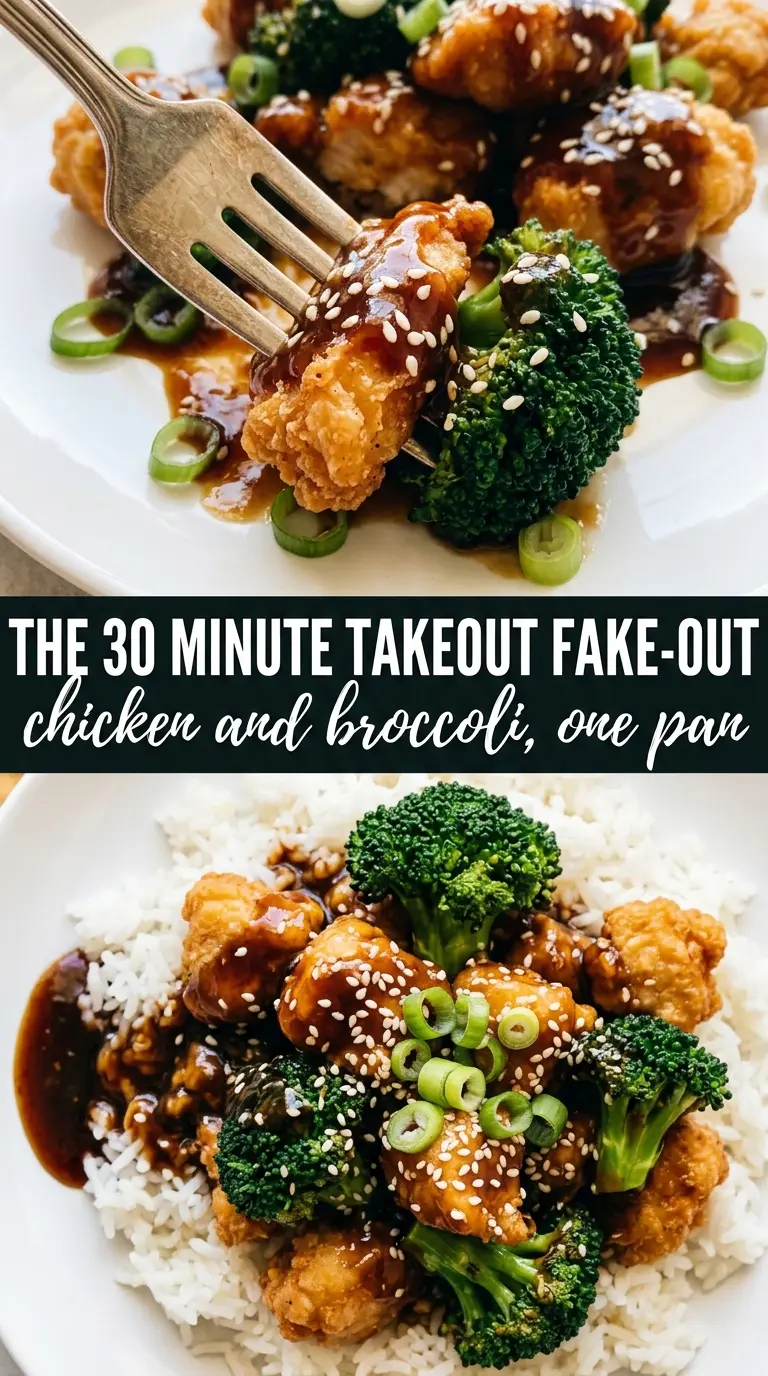
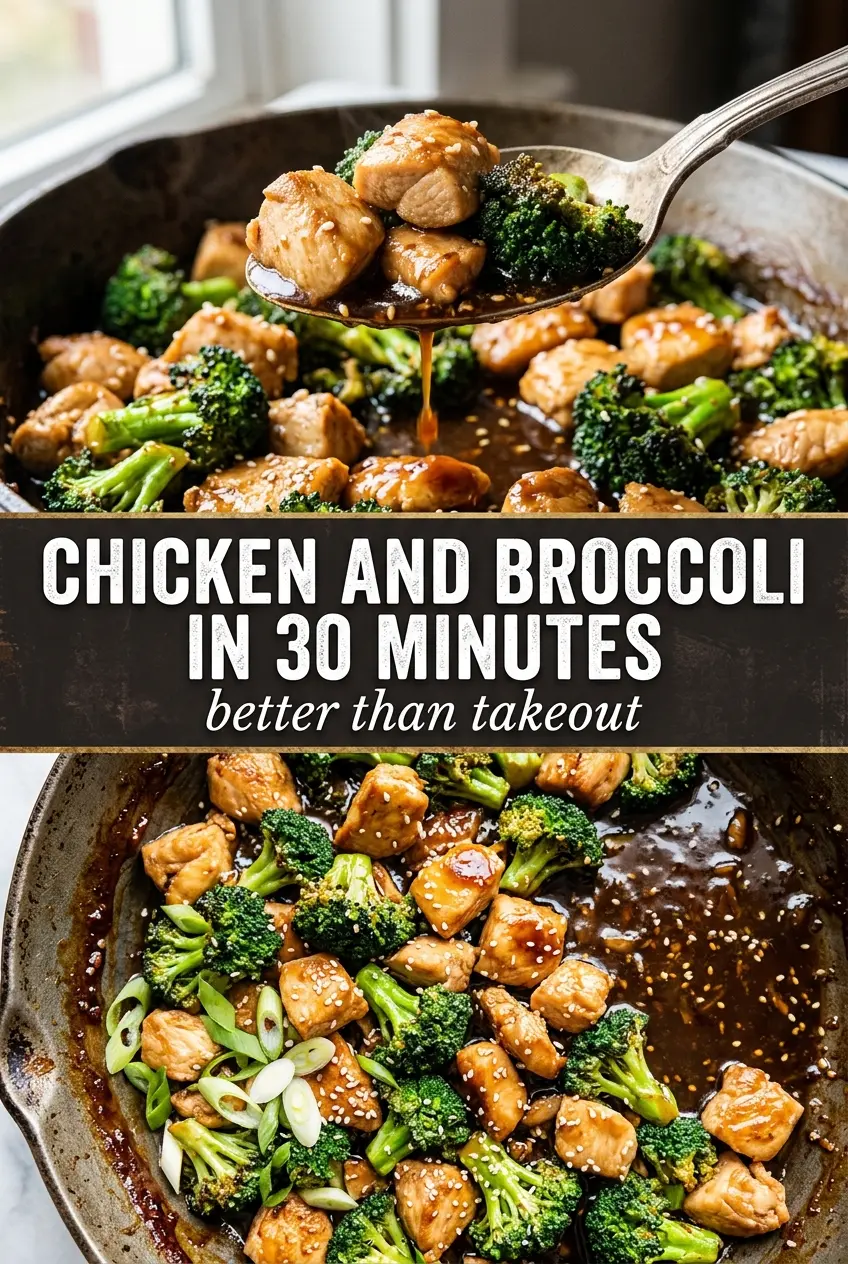
Glossy chicken and broccoli hits that sweet spot between fast and satisfying: tender strips of chicken, crisp-tender broccoli, and a savory garlic soy sauce that clings to every bite instead of pooling at the bottom of the bowl. This is the kind of stir fry that earns repeat status because it tastes like takeout, but the sauce is cleaner, brighter, and just thick enough to coat the rice underneath.
The trick is keeping the heat high and the ingredients moving only when they need it. The chicken sears first so it picks up color before the sauce goes in, and the broccoli cooks just long enough to lose its raw edge without going dull or soft. A little cornstarch slurry finishes the sauce at the end, which means you get a glossy coating instead of a thin, salty liquid.
Below, I’m walking through the small decisions that matter here: how thin to slice the chicken, when the broccoli is done, and why the sauce thickens best after everything is already in the pan. If you’ve ever had a stir fry turn watery, this version fixes that.
The sauce thickened right at the end and coated the chicken without getting gloppy, and the broccoli stayed crisp instead of turning soggy. My husband said it tasted better than our usual takeout.
Save this 30-Minute Chicken and Broccoli for the nights when you want glossy takeout-style chicken, crisp broccoli, and a garlic soy sauce that comes together fast.
The Secret to Stir Fry That Stays Glossy, Not Watery
The most common mistake with chicken and broccoli is crowding the pan and rushing the sauce. When the skillet is overloaded, the chicken steams instead of browning, the broccoli goes soft before it ever gets bright, and the sauce never has a chance to cling. High heat fixes a lot of that, but only if you give each ingredient a little space to do its job.
The other thing that matters is when the cornstarch goes in. If it hits the pan too early, it can seize or turn pasty; if it goes in after the sauce is already bubbling around the chicken and broccoli, it thickens in a minute and coats everything evenly. That last step is what turns this from thin stir fry sauce into the glossy finish you want over rice.
- Chicken breast — Slice it thin so it cooks fast and stays tender. Thicker pieces need more time in the pan and are more likely to dry out before the sauce finishes.
- Broccoli florets — Small, even florets cook quickly and stay crisp-tender. If the stems are thick, peel and slice them so they cook at the same pace as the tops.
- Soy sauce + oyster sauce — This is the backbone of the dish. Soy sauce brings salt and depth, while oyster sauce adds body and a rounder savory finish that plain soy sauce can’t replicate.
- Cornstarch slurry — Mix it with cold water before it goes in. Dry cornstarch dumped straight into hot sauce clumps fast and leaves you chasing lumps around the pan.
What Each Ingredient Is Actually Doing in This Recipe
- Primary ingredient (the star) — Quality matters most. Choose the best you can find.
- Cooking medium (oil, butter, or broth) — This carries flavors and prevents dryness.
- Seasonings (salt, pepper, spices, herbs) — Layer flavors so nothing overpowers. Build depth gradually.
- Aromatics (garlic, onion, herbs) — Cook with fat to bloom flavors. Become the foundation.
- Supporting ingredients — Complement the main ingredient without overpowering it.
- Sauce or liquid (if applicable) — Brings flavors together. Balance richness with acid.
- Acid (lemon, vinegar, wine, or other) — Brightens and prevents flat-tasting results.
- Final finish (garnish, glaze, or sauce) — Prevents one-dimensional taste and adds visual appeal.
Building the Sauce in the Pan at the Right Moment
Getting the Chicken Color First
Heat two tablespoons of oil in a wok or large skillet until it shimmers, then add the chicken in a single layer. Don’t stir it constantly; let it sit long enough to pick up golden edges before flipping. If the pan is crowded, cook in batches. Pale chicken gives you pale flavor, and this dish depends on that quick sear for its depth.
Cooking the Broccoli to Tender-Crisp
Add the remaining oil and cook the broccoli for just a few minutes until the color turns bright green and the stems are barely tender when pierced with a fork. You want a little bite left because the florets will keep cooking once the sauce goes in. If they go dull or soft here, they’ll end up mushy at the finish.
Waking Up the Garlic and Ginger
Push the broccoli to the sides and add the garlic and ginger to the center of the pan. Thirty seconds is enough; you’re looking for fragrance, not browning. If garlic starts to darken, pull the pan off the heat for a moment because burnt garlic will overpower the whole dish with bitterness.
Thickening the Sauce Without Clumping
Return the chicken to the pan, pour in the soy sauce mixture, and stir to coat everything. Add the cornstarch slurry last and toss continuously for about a minute until the sauce turns glossy and lightly thickened. If it looks thin, give it another 30 seconds; cornstarch needs a brief simmer to do its job, but too much heat for too long can make the sauce sticky instead of silky.
How to Adapt This Without Losing the Takeout Feel
Make it gluten-free
Use a gluten-free soy sauce or tamari and check that your oyster sauce is labeled gluten-free. The texture stays the same, and you still get that deep savory finish without changing the cooking method.
Swap in chicken thighs
Boneless skinless thighs bring a juicier bite and forgive a little extra time in the pan. They don’t dry out as quickly as breast meat, but they do release a bit more fat, so wipe out excess oil if the skillet gets greasy.
Add more vegetables
Snap peas, sliced bell peppers, or mushrooms fit in well here. Add harder vegetables with the broccoli and quick-cooking ones near the end so the pan doesn’t get crowded and the sauce still coats instead of thinning out.
Make it lower carb
Serve it over cauliflower rice instead of white rice and keep the sauce exactly the same. The dish still tastes complete because the chicken, broccoli, and glossy sauce carry most of the flavor and texture.
Storage and Reheating
- Refrigerator: Store leftovers in an airtight container for up to 4 days. The broccoli softens a little, but the sauce still tastes great the next day.
- Freezer: It freezes, though the broccoli loses some of its snap. Freeze in portions for up to 2 months and expect a softer vegetable texture after thawing.
- Reheating: Reheat in a skillet over medium heat with a splash of water to loosen the sauce. The biggest mistake is blasting it in the microwave until the chicken turns rubbery and the sauce breaks.
Answers to the Questions Worth Asking
30-Minute Chicken and Broccoli
Ingredients
Equipment
Method
- Whisk soy sauce, oyster sauce, brown sugar, and sesame oil together until smooth.
- Heat 2 tablespoons vegetable oil in a wok or large skillet over high heat, then add chicken in a single layer and cook for 3–4 minutes until golden; remove and set aside.
- Add the remaining vegetable oil, cook broccoli for 3–4 minutes until bright green and tender-crisp, then push it to the sides.
- Add minced garlic and grated ginger to the center and cook for 30 seconds, then stir to combine with the broccoli.
- Add the cooked chicken back to the skillet and toss briefly to warm through.
- Pour the sauce over everything and stir to coat the chicken and broccoli.
- Stir the cornstarch slurry into the pan and toss for about 1 minute until the sauce thickens and clings to everything.
- Serve immediately over cooked rice and top with sesame seeds.