Juicy grilled chicken with deep grill marks and a balanced, savory marinade earns its place on the table fast. The outside picks up just enough char to taste like summer cooking, while the inside stays tender if you give the marinade time to work and don’t rush the grill. This is the kind of chicken that disappears first, whether it’s piled onto plates with sides or tucked into buns after everyone has gone back for seconds.
The marinade does the heavy lifting here. Olive oil carries the seasonings, soy sauce and Worcestershire bring salt and depth, lemon juice brightens everything, and Dijon helps the mixture cling to the chicken instead of sliding off in the bowl. Brown sugar doesn’t make this sweet; it helps the surface brown and gives the grill a little extra help with color. The real trick is giving the chicken enough time to marinate, then grilling over medium-high heat so the outside sears before the inside dries out.
Below you’ll find the small details that matter most: how long to marinate for the best texture, what to watch for on the grill, and a few easy ways to adjust this recipe for whatever cut of chicken you have on hand.
The marinade gave the chicken a ton of flavor, and after 5 minutes on the grill it still stayed juicy instead of drying out. The lemon and Dijon balance is perfect.
Like this classic grilled chicken? Save it to Pinterest for an easy marinade dinner with juicy results and perfect grill marks.
The Marinade Needs Time to Work Before the Grill Does
The biggest mistake with grilled chicken is treating the marinade like a seasoning sprinkle instead of a real flavoring step. If the chicken goes on the grill too soon, you get surface flavor and not much else. Two to eight hours in the fridge is the sweet spot here: long enough for the lemon, soy, garlic, and mustard to penetrate, but not so long that the lemon starts to make the texture chalky.
Another place people go wrong is heat. Medium-high gives you those dark grill marks and enough energy to cook the chicken through, but blasting the grill too hot burns the sugar in the marinade before the center is done. If you see flare-ups, move the chicken to a cooler spot instead of chasing it around the grate.
What Each Marinade Ingredient Is Actually Doing
- Olive oil — Helps the marinade coat the chicken evenly and keeps the surface from drying out on the grill. A standard olive oil is fine here; save the fancy finishing oil for the table.
- Soy sauce — Brings salt, color, and savory depth. If you need a gluten-free version, use tamari in the same amount and the flavor stays right on target.
- Lemon juice — Gives the chicken its brightness and keeps the marinade from tasting flat. Fresh lemon is worth it because bottled juice can taste dull and slightly bitter after cooking.
- Dijon mustard — Helps the marinade emulsify so it clings to the meat instead of pooling in the dish. It also adds a quiet sharpness that keeps the chicken from tasting overly sweet or one-note.
- Brown sugar — Encourages better browning and balances the salt and acid. Don’t skip it unless you’re adjusting for a low-carb version; the crust won’t caramelize the same way without it.
- Garlic and paprika — Garlic gives the chicken its backbone, while paprika adds color and a little warmth. If your paprika is old and faded, replace it; stale paprika tastes dusty instead of smoky.
Getting Juicy Chicken Off the Grill Without Guesswork
Whisking the Marinade Smooth
Whisk the olive oil, soy sauce, lemon juice, Worcestershire, Dijon, garlic, brown sugar, black pepper, and paprika until the sugar dissolves and the mixture looks cohesive. You’re not just mixing flavor here; you’re building a marinade that can coat every piece evenly. If the brown sugar is still gritty, keep whisking for another minute before the chicken goes in.
Marinating for Real Flavor
Coat the chicken pieces well and refrigerate them for at least 2 hours. Eight hours is the upper end I’d use for this recipe because the lemon juice keeps working the whole time. If you push much past that, the texture can start to soften in a way that feels mealy instead of tender.
Grilling to the Right Temperature
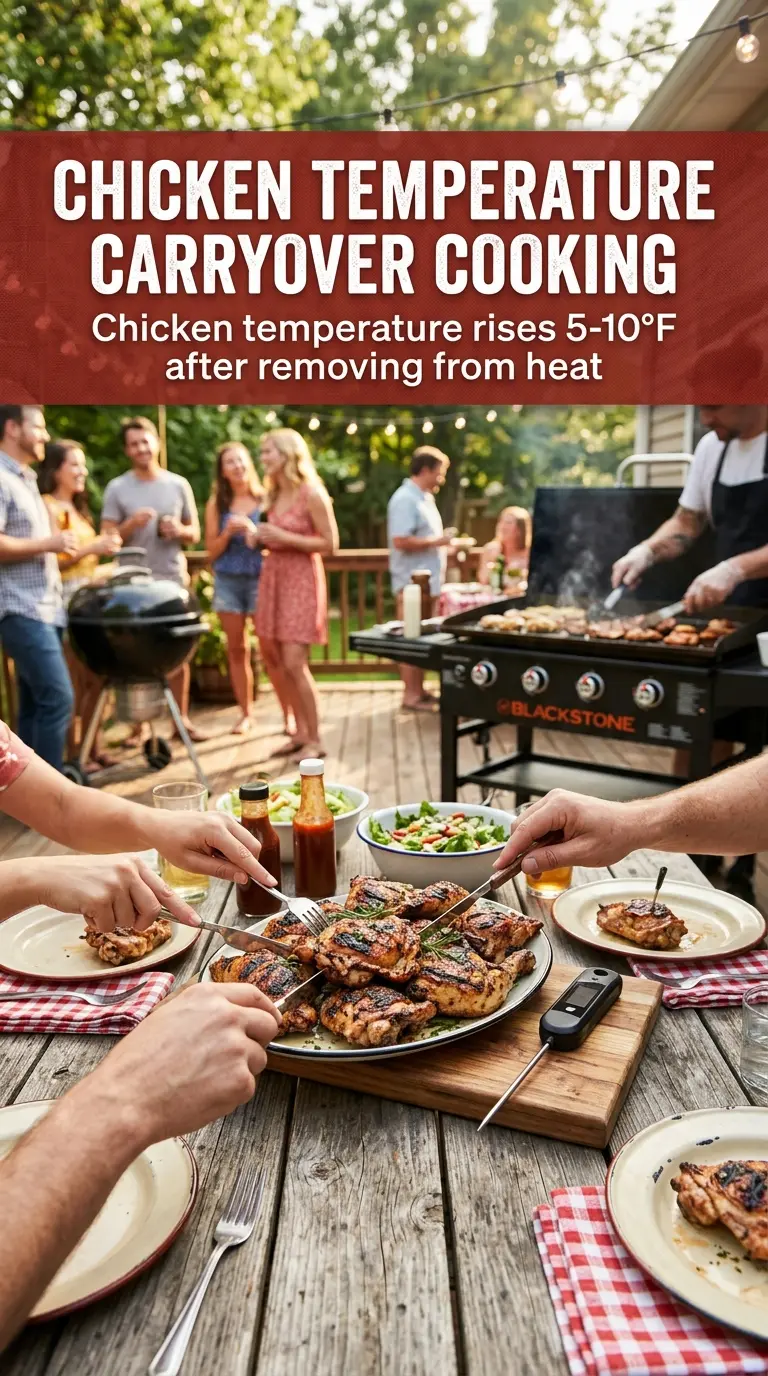
Preheat the grill to medium-high and let it get fully hot before the chicken hits the grates. Grill, turning occasionally, until the thickest piece reaches 165°F in the center. If the outside is browning too fast before the inside is done, move the chicken to indirect heat and close the lid for a few minutes. That keeps the surface from scorching while the center finishes cooking.
Resting Before Serving
Let the chicken rest for 5 minutes after it comes off the grill. This keeps the juices inside the meat instead of running all over the cutting board. If you slice too soon, even perfectly cooked chicken can eat dry.
How to Adjust This Chicken for the Cut You Have
Boneless, Skinless Chicken Breasts
Use this marinade as written, but keep a closer eye on the grill because breasts dry out fast once they pass 165°F. Pound them to an even thickness first so the thinner edges don’t overcook before the center is done.
Thighs for Richer, More Forgiving Chicken
Chicken thighs handle the marinade beautifully and stay juicier if you get distracted by the grill. They may take a few minutes longer than breasts, but the payoff is a deeper, more forgiving result with a little extra char.
Dairy-Free and Gluten-Free Swaps
This recipe is already dairy-free, and it’s easy to keep gluten-free by using tamari instead of soy sauce. The flavor stays bold and savory, and you won’t lose the balance that makes the marinade work.
Lower-Sugar Version
Cut the brown sugar in half if you want a less sweet marinade. You’ll still get good browning from the grill, just with a slightly less caramelized finish on the surface.
Storage and Reheating
- Refrigerator: Store cooked chicken in an airtight container for up to 4 days. It stays moist best if you keep the pieces whole.
- Freezer: Freeze cooked chicken for up to 2 months, wrapped tightly and sealed well. Thaw overnight in the fridge before reheating so it heats evenly.
- Reheating: Warm it covered in a 300°F oven with a splash of water or broth until just heated through. The common mistake is blasting it in the microwave until it turns rubbery and loses the juices you worked to keep in.
Questions I Get Asked About This Recipe
All-Star Grilled Chicken
Ingredients
Equipment
Method
- Whisk olive oil, soy sauce, lemon juice, Worcestershire sauce, Dijon mustard, minced garlic, brown sugar, black pepper, and paprika until smooth, dark, and well combined. Visual cue: the mixture should look evenly streak-free with no sugar clumps.
- Place the chicken pieces in a nonreactive container and pour the marinade over them, turning to coat thoroughly. Visual cue: all surfaces should have a light, glossy coating before the fridge.
- Cover and refrigerate for 2-8 hours. Visual cue: the chicken should look slightly darker and more opaque after marinating.
- Preheat the grill to medium-high heat. Visual cue: you should get clear grill marks and steady heat when you hold your hand near the grate for about 3-4 seconds.
- Grill chicken, turning occasionally, until the internal temperature reaches 165°F. Visual cue: the surface should be browned with distinct grill marks and the juices should run clear when pierced.
- Let the grilled chicken rest for 5 minutes before serving. Visual cue: the chicken looks slightly more set and juicy as steam settles.