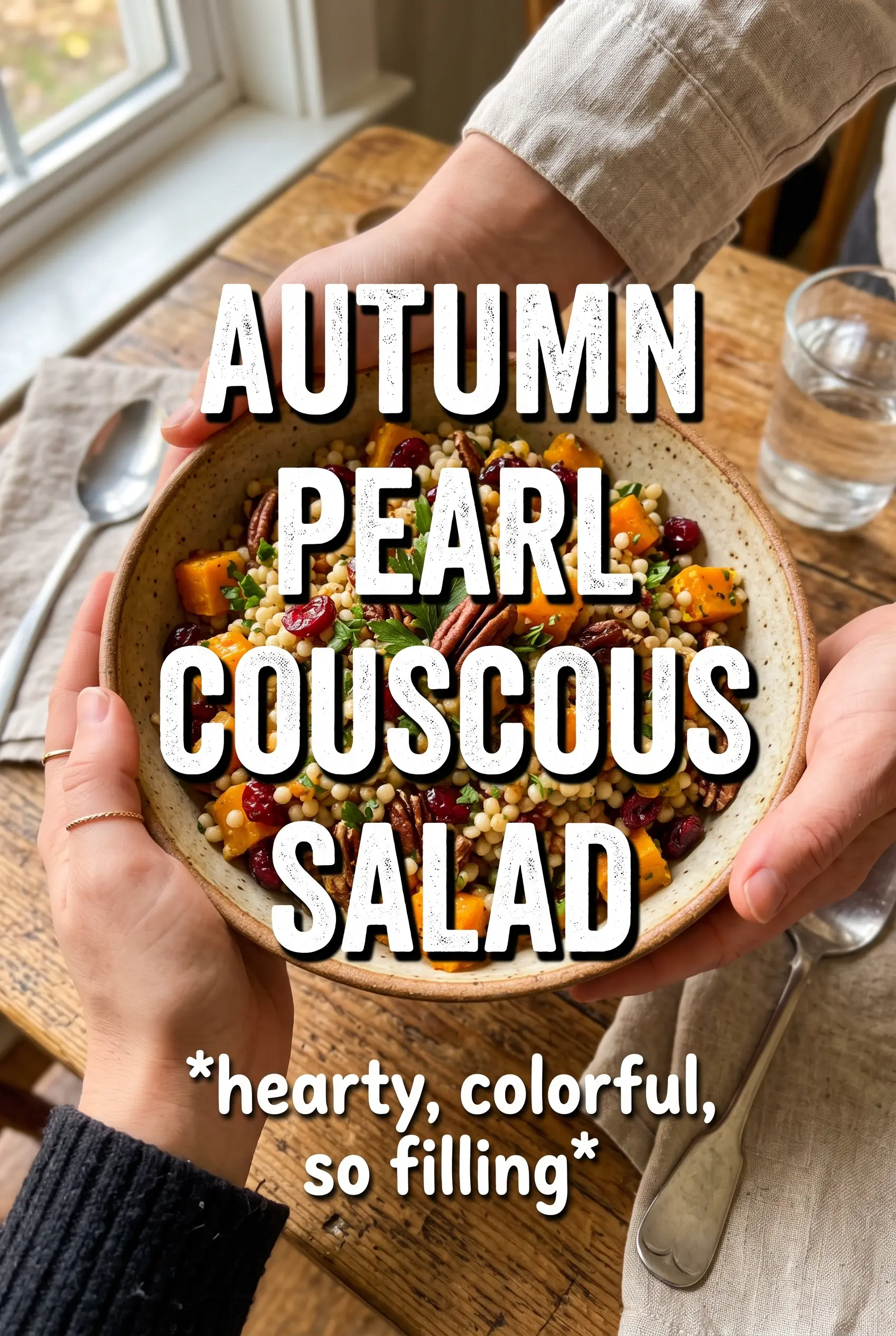
Golden pearl couscous, sweet roasted butternut squash, tart cranberries, and creamy goat cheese give this salad the kind of contrast that keeps every bite interesting. It eats like a side dish with real personality: tender, chewy, crisp, salty, sweet, and just a little tangy from the maple balsamic dressing.
What makes this version work is temperature and texture. The couscous needs to cool before it goes into the bowl, or it wilts the greens and softens the cranberries too much. The squash should be roasted until the edges caramelize, because that browned surface adds depth that plain steamed squash never gives you. Toasted pecans and pumpkin seeds matter here too; they keep the salad from feeling soft all the way through.
Below you’ll find the timing that keeps everything bright instead of soggy, plus a few easy swaps if you need to work with what’s in the pantry.
The squash browned beautifully and the maple balsamic pulled everything together without making the greens limp. I served it warm and the couscous stayed fluffy even after tossing.
Save this autumn pearl couscous salad for a make-ahead side with roasted squash, crunchy pecans, and maple balsamic dressing.
The Reason the Couscous Needs to Cool Before You Toss It
Warm pearl couscous is the fastest way to turn this salad heavy and wilted. The grains hold onto heat longer than you’d think, and if you combine them with arugula too soon, the greens lose their bite and the goat cheese starts to smear instead of crumbling into distinct pockets.
The other common mistake is overdressing the bowl before you taste the balance of sweet and tangy. Maple balsamic is there to tie the squash, cranberries, and nuts together, not drown them. Start with most of the dressing, toss gently, then stop when the couscous glistens and the greens are lightly coated.
What the Roasted Squash, Nuts, and Cheese Are Each Doing Here
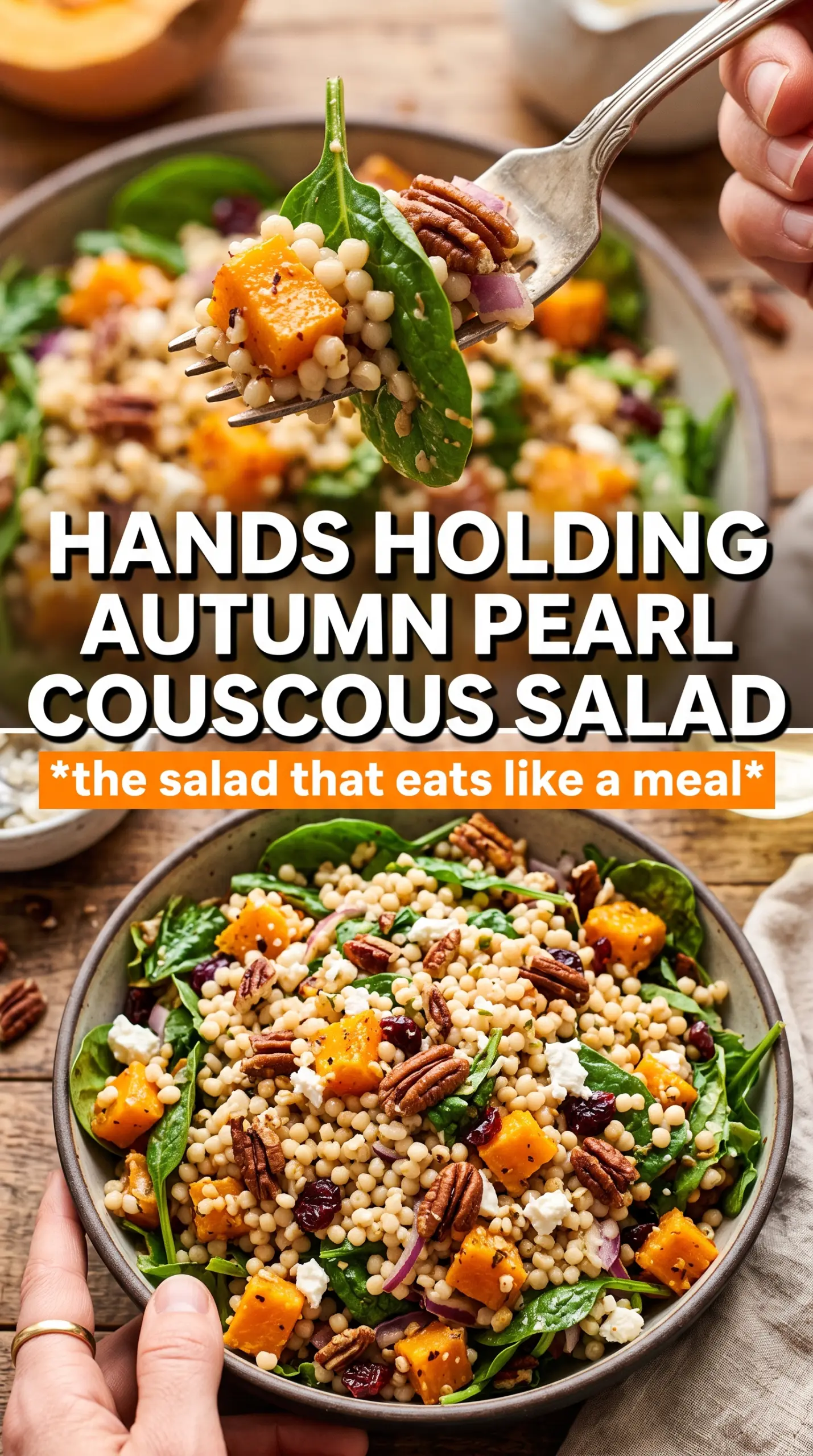
- Pearl couscous — This gives the salad its chew. Regular couscous turns fluffy and soft, but pearl couscous holds its shape and stands up to dressing, roasted vegetables, and cheese without becoming mushy.
- Butternut squash — Roast it until the edges pick up real color. Pale squash tastes flat here; browned squash brings sweetness and a little savory depth that balances the cranberries.
- Arugula or mixed greens — Arugula adds peppery sharpness that cuts through the maple dressing. Mixed greens work if that’s what you have, but choose a blend with some sturdier leaves so they don’t collapse on contact.
- Pecans and pumpkin seeds — Toasting matters more than the price of the nut. A few minutes in a dry pan or oven wakes up the oils and keeps the salad from tasting soft and one-note.
- Goat cheese — Use a tangy, crumbly goat cheese here, not a spreadable log. You want little cool bites throughout the bowl, not a dressing-like texture that disappears into the couscous.
Building the Bowl Without Losing the Crunch
Roasting the Squash Until It Actually Caramelizes
Cut the squash into even cubes so the pieces finish at the same time. Spread them out on the pan; if they’re crowded, they steam and stay pale. You’re looking for browned edges and a tender center that still holds its shape when you nudge it with a spatula. Salt and olive oil are enough here, but don’t underseason the pan because the squash carries a lot of the salad’s sweetness.
Cooking and Cooling the Couscous
Cook the pearl couscous until just tender, then drain it well and spread it out if needed so it sheds steam fast. If it stays wet, the dressing gets diluted and the herbs or greens can slump. Room-temperature couscous mixes cleanly with the other ingredients and keeps each bite defined instead of gluey.
Tossing the Salad in the Right Order
Start with couscous, squash, greens, cranberries, and pecans so the sturdier ingredients get coated first. Add the dressing and toss with a light hand; the goal is gloss, not compression. Finish with goat cheese and pumpkin seeds at the end so they stay visible and keep their texture instead of disappearing into the bowl.
How to Adapt This for Different Tables
Make It Dairy-Free
Skip the goat cheese and add extra toasted pumpkin seeds or a handful of sliced almonds for richness and contrast. The salad still works because the dressing and roasted squash carry enough flavor on their own, but you lose that creamy-tangy finish the cheese provides.
Make It Gluten-Free
Use a certified gluten-free pearl couscous alternative, since standard couscous is made from wheat. The rest of the salad doesn’t need to change, but check the texture of your substitute and stop cooking while it still has a little bite.
Swap the Greens Based on What You Have
Arugula gives the boldest result, but baby spinach, spring mix, or chopped kale all work. Spinach softens fastest, kale holds up best, and arugula gives you the most contrast against the sweet dressing and squash.
Storage and Reheating
- Refrigerator: Store leftovers for up to 3 days. The greens will soften a bit, but the flavors hold up well.
- Freezer: This salad doesn’t freeze well once assembled. The greens and goat cheese lose their texture after thawing.
- Reheating: Eat it chilled or let it sit at room temperature for 15 to 20 minutes. If you want the squash warmer, heat only that portion separately so the greens stay fresh.