Beef kafta kebabs come off the grill with a crisp, deeply seasoned crust and a tender, juicy center that holds together instead of sliding off the skewer. The grated onion and fresh parsley keep the mixture light and aromatic, while cumin, paprika, allspice, and cinnamon give the beef that unmistakable warm-spice flavor you expect from good kafta.
What makes this version work is the balance between moisture and structure. The onion gets grated and squeezed dry so it seasons the meat without making it loose, and the short chill gives the mixture time to firm up before shaping. That resting time matters. Skip it and the kebabs can sag on the skewer or crack when they hit the grill.
Below you’ll find the small details that make the difference: how to shape kafta so it grips the skewer, why medium-high heat gives you the best char without drying the meat, and a few simple variations for cooking indoors or serving them a different way.
The kebabs held together on the grill and the spice mix was perfect with the tahini. I liked that the onion got squeezed dry first because they stayed juicy without falling apart.
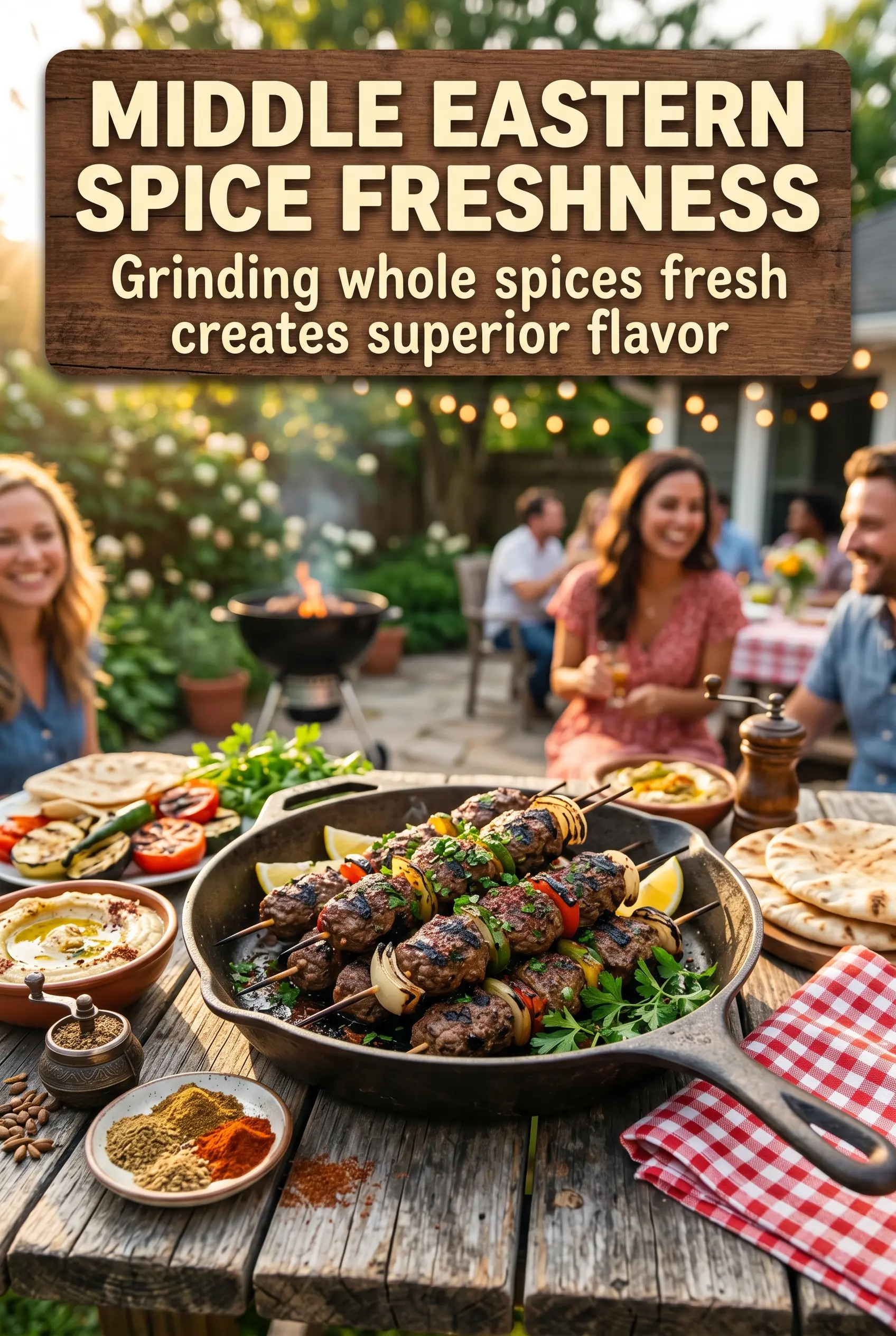
Save these beef kafta kebabs for the nights when you want charred grilled meat, warm spices, and tahini sauce with barely any cleanup.
The Trick to Kafta That Stays on the Skewer
Most kafta problems start before the grill ever gets involved. If the meat mixture is too wet, it won’t grip the skewer cleanly and it can slump as soon as the heat softens the fat. That’s why the onion gets grated, then squeezed dry. You want the flavor, not the extra liquid.
The other thing that matters is texture. Ground beef with a little fat keeps the kebabs juicy and helps them brown instead of drying out. Mix until everything is evenly combined, but stop once it looks cohesive. Overmixing makes the meat springy, and springy kafta is harder to shape and less tender after cooking.
What Each Ingredient Is Doing in These Kafta Kebabs
- Ground beef (80/20) — This fat level gives you juiciness and a good grilled crust. Leaner beef can work, but the kebabs will taste drier and can turn crumbly, especially if they’re overcooked by even a minute.
- Onion — Grating the onion spreads the flavor evenly through the meat, and squeezing it dry keeps the mixture from getting loose. A sharp knife chop won’t melt into the beef the same way.
- Parsley — Fresh parsley lightens the mixture and keeps the spices from tasting heavy. Dried parsley won’t give you the same freshness or color.
- Cumin, paprika, allspice, and cinnamon — These are the backbone of kafta flavor. Smoked paprika can be used if that’s what you have, but the spice mix should still lean warm and savory, not hot.
- Skewers — Metal skewers are easiest because they heat up fast and help the kebabs cook evenly. If you use wooden skewers, soak them long enough that they don’t scorch on the grill.
Shaping and Grilling the Kebabs Without Losing the Juices
Mixing the Meat Just Enough
Combine the beef, onion, parsley, garlic, spices, salt, and pepper until the mixture looks evenly speckled and holds together when pressed. Don’t beat it into a paste. Once the beef looks uniformly seasoned, stop mixing and chill it so the fat firms up and the shape holds better on the skewers.
Forming the Kafta Around the Skewers
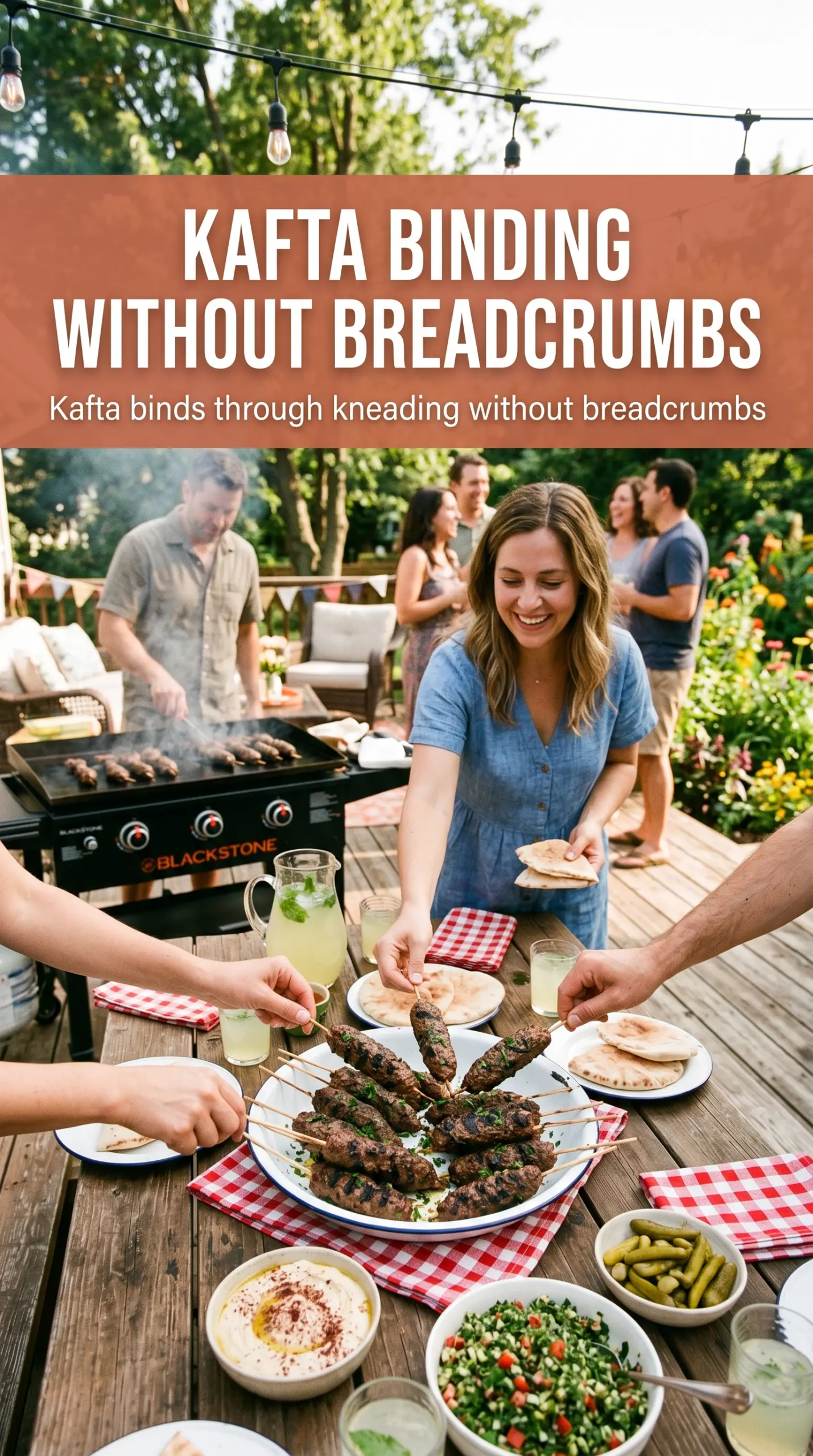
Divide the mixture into equal portions, then press each one around a skewer in a long, even log. Keep the thickness consistent from end to end so the kebab cooks at the same rate. If the meat starts sticking to your hands, wet them lightly with cold water instead of adding more flour or breadcrumbs, which would change the texture.
Cooking to the Point of Char, Not Dryness
Grill over medium-high heat and leave the kebabs alone long enough to develop a crust before turning. They should release more easily once the surface browns. Pull them when they’re cooked through and the outside has dark, crisp edges; if you wait until they look completely dry on the grill, the center has already gone past juicy.
How to Adapt These Kafta Kebabs for Different Nights
Oven-Broiled Kafta
If you don’t have a grill, broil the skewers on a foil-lined sheet pan set close to the heat source. You’ll still get browned edges, though the smoky grill flavor will be lighter. Turn them once so both sides get a good crust without drying out the outside.
Lamb or Half-Lamb Kafta
Swap some or all of the beef for ground lamb if you want a deeper, richer flavor. Lamb brings more of its own character, so the warm spices stand out even more, but the finished kebabs will taste a little more pronounced and less mellow than beef alone.
Gluten-Free Serving Style
The kafta itself is naturally gluten-free, so the main thing to check is the sides. Serve it with rice, salad, or gluten-free flatbread instead of pita. That keeps the dish just as satisfying without changing the meat mixture at all.
Storage and Reheating
- Refrigerator: Store cooked kafta in an airtight container for up to 4 days. The herbs soften a little, but the flavor stays strong.
- Freezer: Freeze cooked kebabs wrapped well for up to 2 months. You can also freeze the shaped raw kebabs on a tray, then transfer them to a bag and grill from thawed.
- Reheating: Warm gently in a skillet over medium-low heat or in a 325°F oven until heated through. High heat dries out the edges before the center is warm, which is the fastest way to lose that juicy texture.
Answers to the Questions Worth Asking
Beef Kafta Kebabs
Ingredients
Equipment
Method
- Combine ground beef, grated onion (squeezed dry), chopped parsley, minced garlic, cumin, paprika, allspice, cinnamon, salt, and pepper in a mixing bowl until evenly distributed.
- Refrigerate the mixture for 30 minutes to firm up for shaping.
- Divide the mixture into 6-8 portions and shape each portion around skewers in a log shape, pressing to keep it tight.
- Preheat the grill to medium-high heat, then grill the skewers for 4-5 minutes per side until charred and cooked through.
- Serve the beef kafta kebabs hot with tahini sauce, pita bread, and fresh vegetables.