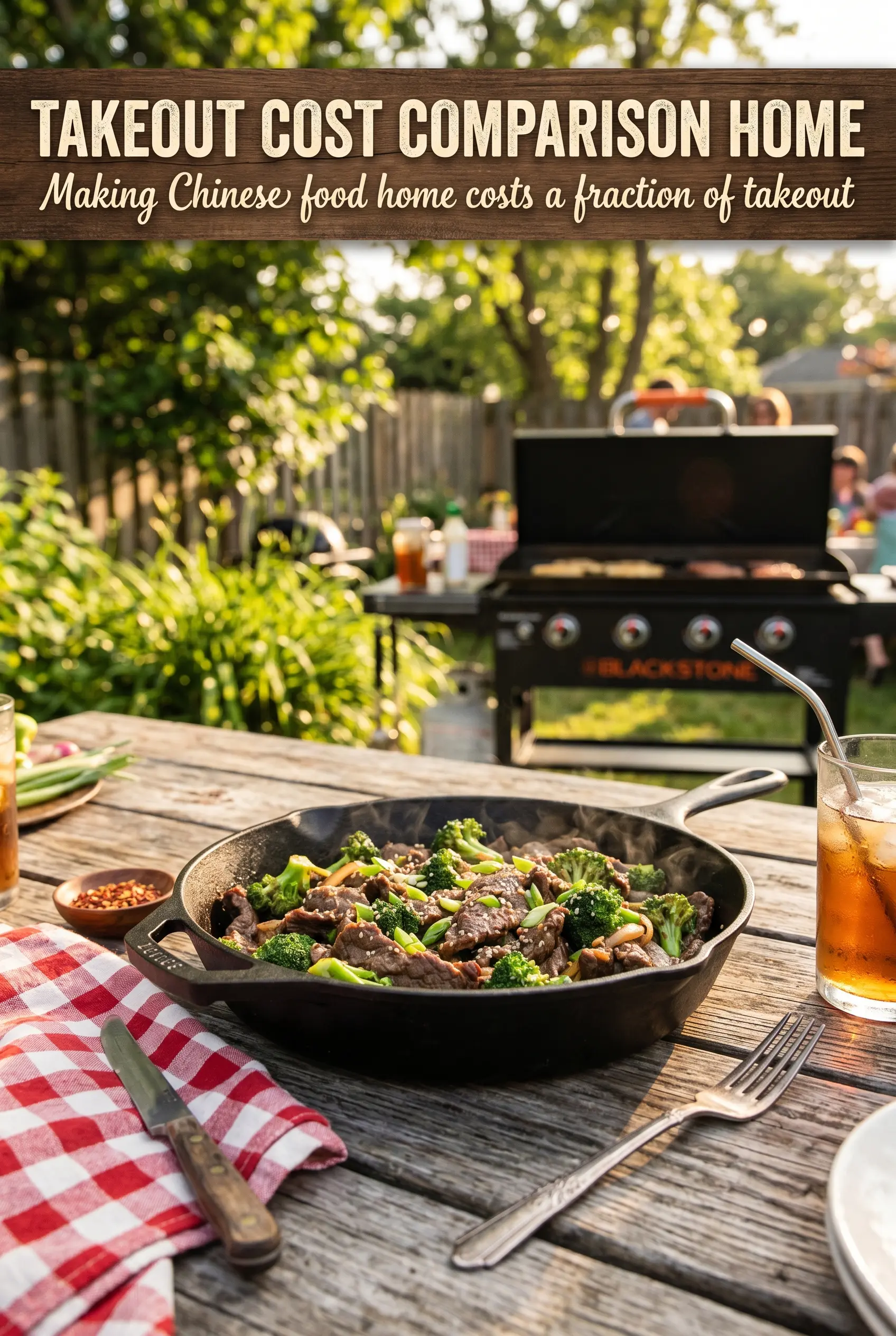
Tender beef strips and crisp broccoli with a glossy brown sauce are what make this Blackstone beef and broccoli worth firing up the griddle for. The beef gets a quick sear that keeps the edges browned without overcooking the center, and the broccoli stays bright instead of turning limp and muddy. Spoon it over rice and you get that takeout-style dinner that tastes fresh off the heat.
The key is handling the beef like a stir-fry, not a braise. Thin slices against the grain cook fast and stay tender, and the short marinade does double duty: it seasons the meat and gives the sauce a little body once it hits the hot griddle. The broccoli cooks separately so it can pick up color before the sauce goes in, which keeps every bite from tasting steamed.
Below, I’ll walk through the timing that matters most, the ingredient swaps that still keep the sauce balanced, and the small griddle cues that tell you when it’s time to move fast.
The marinade gave the beef a great texture and the sauce thickened up just enough on the griddle without getting sticky. My broccoli stayed crisp-tender, which is exactly what I was hoping for.
Save this Blackstone Beef and Broccoli for a fast griddle dinner with seared steak, crisp broccoli, and a glossy garlic-ginger sauce.
The Trick to Keeping the Beef Tender on a Hot Griddle
Blackstone beef and broccoli can go wrong fast if the beef sits on the griddle too long. Flank steak is lean, and the griddle is aggressive, so the goal is a quick sear before the strips have time to tighten up. Slicing thinly against the grain matters more here than in a lot of stovetop versions because every extra second of cooking shows up in the bite.
The marinade also pulls more weight than people expect. The cornstarch helps the sauce cling later, but it also gives the beef a light coating that protects the surface during searing. If the steak goes onto the griddle wet and crowded, it steams instead of browns, so cook in batches and leave space between the pieces.
- Flank steak — This is the right cut for fast, high heat. Skirt steak works too, but it cooks even faster, so watch it closely.
- Cornstarch — It’s what gives the sauce that takeout-style gloss. Arrowroot can stand in, but the sauce will feel a little lighter.
- Oyster sauce — This adds depth and a savory finish that soy sauce alone can’t match. If you skip it, the sauce tastes flatter and more one-note.
- Broccoli florets — Fresh florets hold their shape better than frozen. If you use frozen, thaw and dry them first or they’ll water down the sauce.
Building the Sauce Before the Broccoli Overcooks

The beef, sauce, and broccoli all cook fast, but not at the same pace, and that’s where most people lose the texture. The broccoli needs direct contact with the hot surface long enough to pick up color before the sauce goes in, but not so long that it softens all the way through. Once the garlic and ginger hit the griddle, you’ve got a short window before they start to burn, so the sauce ingredients need to be ready to pour in right away.
Marinating the Beef
Stir together two tablespoons of soy sauce, one tablespoon of brown sugar, and the cornstarch until the mixture looks smooth, then coat the sliced beef and let it sit for 30 minutes. That short rest is enough to season the meat without changing its texture into something mushy. If the beef looks clumpy, it usually means the cornstarch wasn’t fully dissolved, so mix it well before the steak goes in.
Searing in Batches
Heat the Blackstone to high and add oil only when the surface is hot. Lay the beef down in a single layer and leave it alone long enough to develop browning before turning it. If the pan is crowded, the beef throws off liquid and loses that seared edge, so work in batches and pull each round as soon as it’s browned and still a little pink inside.
Finishing the Vegetables and Sauce
Add the broccoli with the remaining oil and cook until the edges darken slightly and the florets turn tender-crisp. Stir in the garlic and ginger for just 30 seconds, then add the rest of the soy sauce, oyster sauce, brown sugar, and beef broth. The sauce should go from thin to glossy in about a minute; if it stays watery, keep it moving over the heat until it lightly coats the back of a spatula.
Bringing It All Together
Return the beef to the griddle and toss everything for another couple of minutes until the sauce clings to the meat and broccoli. This last pass is just for heating and coating, not cooking the beef through. Pull it as soon as the sauce looks shiny and unified, then finish with sesame seeds while the surface is still hot enough to help them stick.
How to Adjust Blackstone Beef and Broccoli Without Losing the Balance
Gluten-Free Version
Use a certified gluten-free soy sauce or tamari and check the oyster sauce label, since some brands contain wheat. The sauce still thickens the same way, and you won’t lose the deep savory note as long as you keep the oyster sauce in place.
Soy-Sauce-Light Version
If you need a lower-sodium version, use low-sodium soy sauce and keep the oyster sauce amount the same. Don’t cut the soy sauce too far or the sauce loses the salty backbone that balances the brown sugar.
Swap the Beef Cut
Ribeye or sirloin gives you a richer bite, while sirloin is a little leaner and still stays tender if you slice it thin. Avoid stew meat or anything tough enough to need long cooking, because the griddle won’t give it time to soften.
Storage and Reheating
- Refrigerator: Store leftovers in an airtight container for up to 4 days. The broccoli softens a little, but the flavor holds up well.
- Freezer: It freezes, but the broccoli loses its crispness. Freeze only if you’re okay with a softer vegetable texture after thawing.
- Reheating: Reheat in a skillet over medium heat with a small splash of water or broth to loosen the sauce. Microwaving works, but it can make the beef chewy if you overheat it.