Blackstone fried rice hits the sweet spot between smoky, savory, and fast enough to pull off on a weeknight without losing the texture that makes fried rice worth making in the first place. The griddle gives the rice room to spread out, toast, and pick up those browned edges that a crowded skillet just can’t deliver. You end up with separate grains, tender vegetables, and little ribbons of egg woven through every bite.
The trick is starting with cold rice and a hot surface. Cold rice firms up in the refrigerator, so it fries instead of turning soft and sticky, and the high heat on the Blackstone keeps moisture from steaming the grains. The eggs go in first and get set before the rice, which keeps them tender instead of disappearing into the mix. Soy sauce, oyster sauce, and sesame oil work together here: one for salt, one for depth, and one for that finish that smells like takeout in the best way.
Below, I’m walking through the part that matters most — how to keep the rice from clumping and how to season it so it tastes balanced instead of just salty. I’ve also included the swaps I’d actually use when dinner needs to stretch a little farther.
The rice finally came out like restaurant fried rice instead of a wet stir-fry. Using cold rice and letting it sit on the griddle long enough to get those little crisp bits made all the difference.
Save this Blackstone fried rice for the nights when you want smoky griddle flavor, tender eggs, and separate rice grains in one quick dinner.
The Griddle Heat That Keeps Fried Rice From Turning Soft
The biggest mistake with fried rice is crowding it before the pan is hot enough. If the rice sits in a lukewarm layer, it steams, and steamed rice turns gummy before it ever has a chance to fry. The Blackstone solves that problem by giving you a wide surface, but only if the griddle is fully preheated and the rice has been chilled first.
The other thing that matters is order. Eggs go on before the rice so they stay in pieces, and the vegetables cook long enough to lose their raw crunch but not so long that they go limp. Once the rice hits the griddle, let it sit in contact with the surface long enough to pick up a little toastiness before you start tossing constantly. That contact is what gives you the nutty, savory edge people chase in good fried rice.
What Each Ingredient Is Actually Doing in This Fried Rice
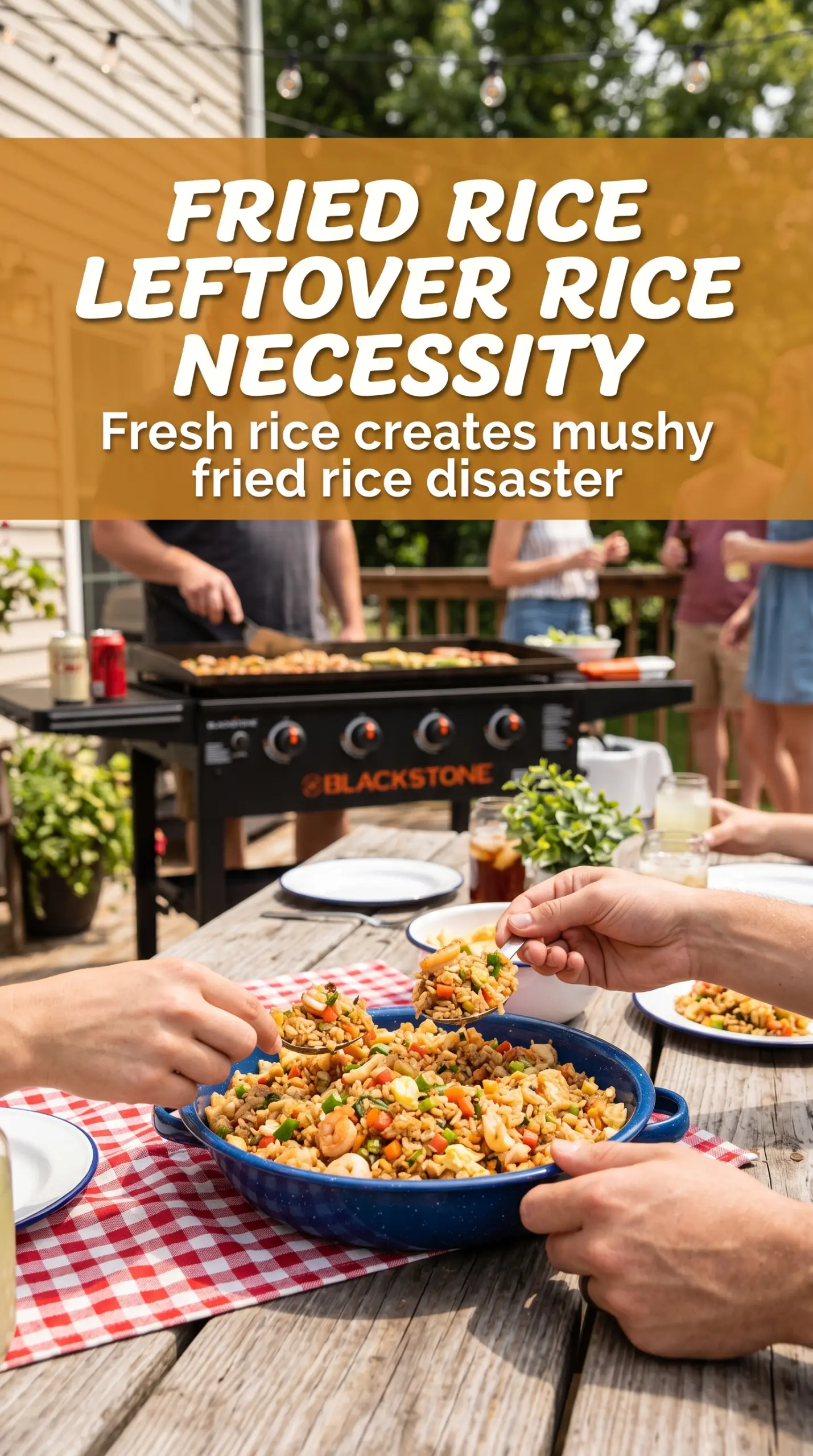
- Cold cooked rice — This is the backbone of the dish. Fresh rice stays too moist and clumps badly, while cold rice dries out just enough to fry cleanly. Day-old rice works best, but any rice that’s been fully chilled and broken up with your hands before it hits the griddle will do the job.
- Oil — You need enough to coat the surface and keep the rice moving without drying out. A neutral oil handles the high heat, and the sesame oil goes in near the end because it’s there for aroma, not for frying.
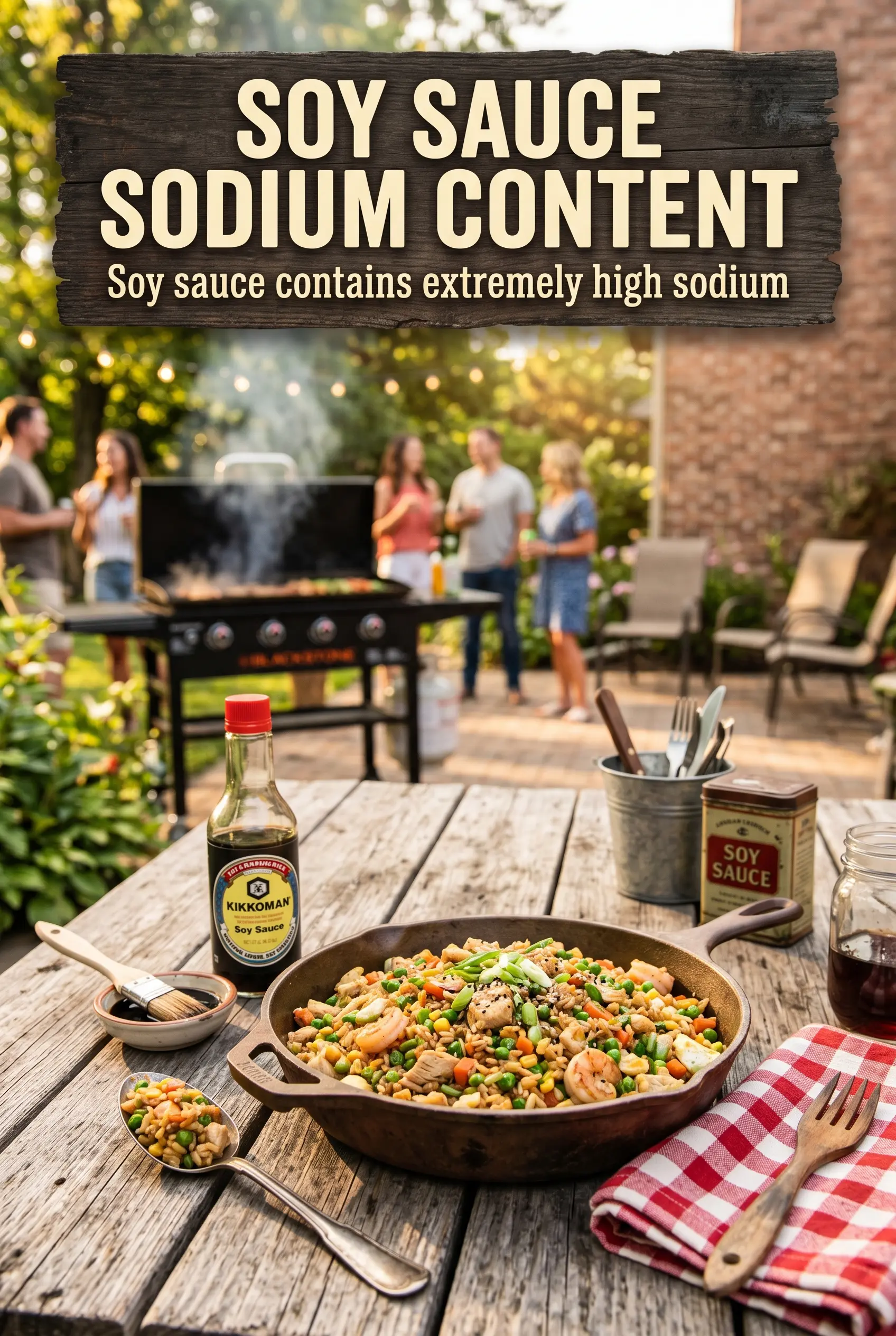
- Soy sauce and oyster sauce — Soy sauce brings salt and color, while oyster sauce adds the deeper, rounder savory note that makes this taste finished instead of flat. If you only have soy sauce, the rice will still work, but it won’t have the same richness.
- Eggs — Scrambling them first keeps the texture soft and distinct. If you stir them in too late, they can streak the rice instead of sitting in little tender pieces throughout the dish.
- Frozen peas and carrots, onion, and garlic — The vegetables bring sweetness and color, and the onion and garlic build the base flavor. Frozen peas and carrots are perfect here because they’re already cut small and cook fast. Dice the onion evenly so it softens at the same rate as the vegetables.
- Green onions — These go in at the end for freshness. If they cook too long, they lose their brightness and turn slippery.
Building the Fried Rice on the Griddle Without Losing the Texture
Preheating the Surface
Get the Blackstone hot before anything touches it. Add the first portion of oil and let it shimmer, then slide the eggs onto the surface. If the griddle isn’t hot enough, the eggs and vegetables will release moisture before they set, and that moisture is what makes fried rice limp instead of crisp at the edges.
Cooking the Eggs First
Scramble the eggs just until they’re set and still a little soft, then move them off to the side. They’ll finish cooking later when you toss everything together. If you cook them all the way through now, they turn dry by the time the rice is done.
Frying the Rice and Vegetables
Add the onions, peas, and carrots next and cook them long enough to lose their cold edge. Then spread the rice out and break up every clump with your spatulas. Let it sit in contact with the heat between tosses so the grains can toast; if you keep stirring constantly, you’ll move the rice around too much and miss the crisping that makes griddle fried rice taste right.
Finishing With Sauce and Aromatics
Add the garlic, soy sauce, oyster sauce, and sesame oil near the end so the garlic doesn’t burn and the sauces coat the rice instead of soaking in too early. Toss fast and keep everything moving until the grains are evenly colored. Fold the eggs back in, add the green onions, and season at the very end with salt and pepper only if the rice still needs it. Too much soy sauce up front is the easiest way to oversalt this dish.
Three Ways to Adjust Blackstone Fried Rice Without Ruining It
Make It Vegetarian
Skip the oyster sauce and use a little extra soy sauce plus a pinch of sugar to replace some of the depth. The rice will still taste savory and balanced, but it won’t have quite the same rich finish. If you want more body, add diced mushrooms and cook them until their liquid evaporates before the rice goes in.
Use Brown Rice for a Heavier, Chewier Bowl
Brown rice works well as long as it’s fully chilled and broken up before cooking. It brings a nuttier flavor and a firmer bite, but it needs a little more oil and a little more time on the griddle to pick up color. Don’t use freshly cooked brown rice; it holds too much steam and softens instead of frying.
Add Chicken, Shrimp, or Leftover Pork
Cook the protein first, pull it off the griddle, and add it back with the eggs at the end. That keeps it from overcooking while the rice fries. This is the best way to stretch the dish for more people without changing the texture of the rice.
Make It Gluten-Free
Use a gluten-free soy sauce or tamari and check that your oyster sauce is labeled gluten-free. The method doesn’t change at all, and the texture stays the same. This swap matters only at the seasoning stage, so the rest of the cook stays exactly the same.
Storage and Reheating
- Refrigerator: Store leftovers in an airtight container for up to 4 days. The rice firms up a little more as it chills, but it reheats well.
- Freezer: Freeze for up to 2 months in flat, sealed portions. Thaw overnight in the fridge before reheating for the best texture.
- Reheating: Reheat in a hot skillet or on the griddle with a small splash of water or oil. Microwaving works in a pinch, but it softens the rice; the pan brings back the best texture.
Answers to the Questions Worth Asking
Blackstone Fried Rice
Ingredients
Equipment
Method
- Heat the Blackstone griddle to high heat and add 2 tablespoons oil. Let the surface get hot so the eggs set quickly.
- Pour the beaten eggs onto the griddle and scramble until just cooked, then move to the side. Look for soft curds with visible egg pieces, not dry eggs.
- Add the remaining oil and cook the onions, peas, and carrots for 3-4 minutes. Stir until the vegetables are hot and starting to tenderize.
- Add cold rice and break up any clumps with spatulas, cooking for 5-6 minutes. Spread and stir so the grains dry out and start to toast.
- Add garlic, soy sauce, oyster sauce, and sesame oil, tossing everything together. The rice should look evenly coated and glossy.
- Mix in the scrambled eggs and green onions, season with salt and pepper, and serve hot. Finish with a quick toss so eggs stay visible.