Crispy-edged potatoes, browned steak bites, and a glossy garlic butter finish make this Blackstone dinner the kind of meal that disappears fast the second it hits the table. The potatoes get their own time on the griddle first, which is what gives them those golden, snappy edges instead of turning soft and pale under the steak. Then the beef goes on hot and fast, so it stays juicy while picking up a deep sear.
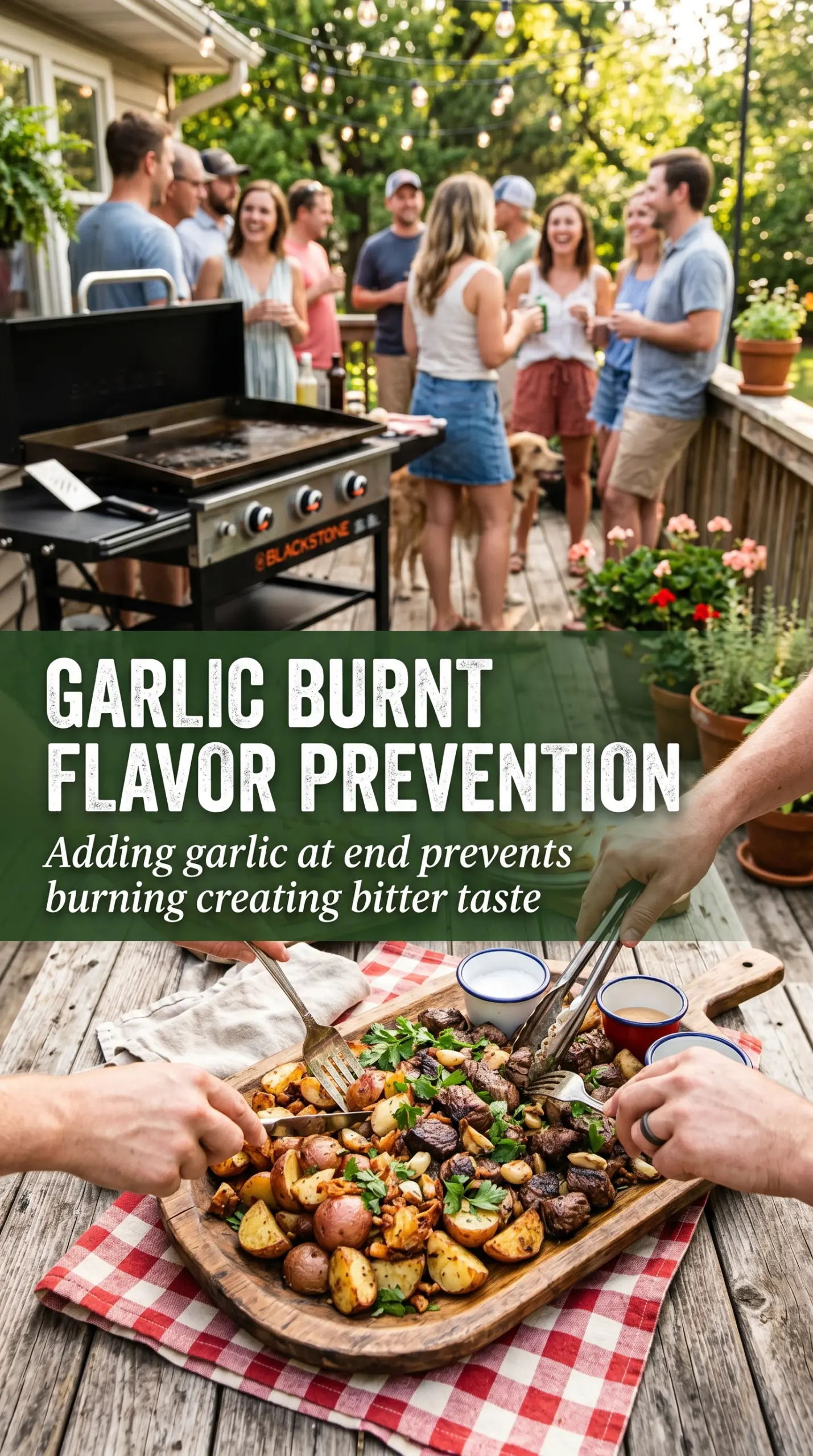
The trick here is treating the potatoes and steak like two different jobs, not one crowded pile on the griddle. Potatoes need a little patience and enough space to brown; steak needs high heat and a quick turn so it doesn’t overcook before the butter goes in. The garlic butter gets added at the end, after the meat is nearly done, so the garlic perfumes everything without burning into bitterness.
Below you’ll find the timing that keeps the potatoes tender and the steak nicely browned, plus the small adjustments I use when I want to change up the seasoning or stretch the dish for a bigger crowd.
The potatoes got those crispy little edges I was hoping for, and the garlic butter coated everything without turning the steak greasy. I followed the timing exactly and the cubes came out tender instead of overcooked.
Like this Blackstone steak and potatoes dinner? Save it to Pinterest for the nights when you want a fast griddle meal with buttery garlic flavor and crisp golden potatoes.
The Part Most People Get Wrong: Let the Potatoes Brown Before the Steak Goes On
With a griddle meal like this, the biggest mistake is crowding everything together and expecting both ingredients to cook at the same pace. Potatoes need direct contact with the hot surface long enough to develop color; if they’re tossed too soon with the steak, they steam and stay soft. Give the potatoes their own stretch of time first, and you’ll get that deep golden crust on the cut sides instead of a bland, waxy finish.
The other thing worth protecting is the steak’s sear. Sirloin cubes cook fast, and once they start releasing juice, the temperature on the griddle drops if the pan is overloaded. Keep the steak in a single layer and let each side sit long enough to brown before you chase the next turn.
- Heat management matters most — medium-high gives the potatoes enough time to soften and brown without scorching before the centers are tender.
- Spacing beats stirring — if you keep flipping constantly, the steak won’t pick up that browned crust. Let it sit for a minute before turning.
- The garlic goes in last — minced garlic burns fast on a hot griddle, so it should hit the pan only when the steak is nearly finished and the butter is ready to coat everything.
What Each Ingredient Is Actually Doing in This Griddle Dinner
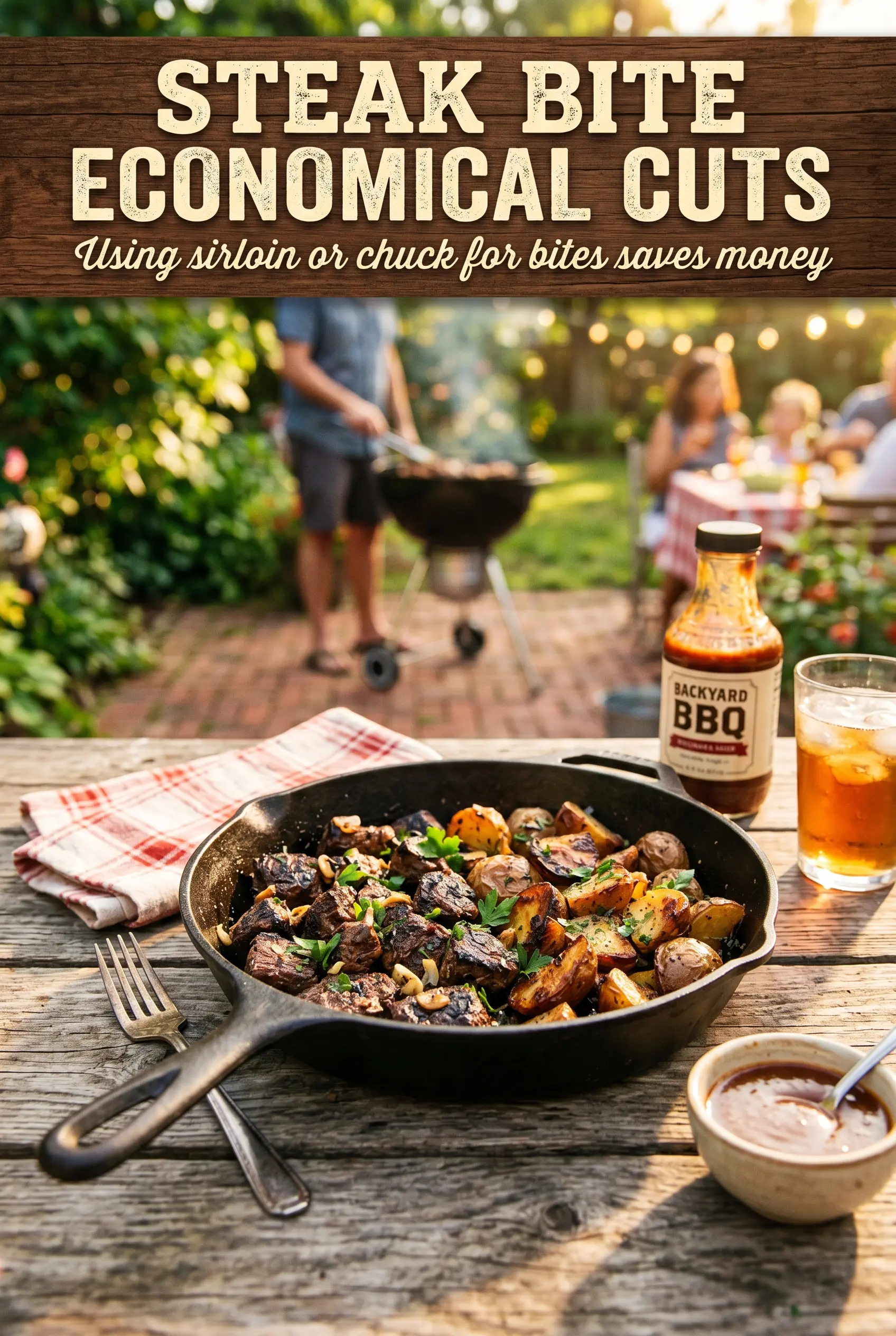
- Sirloin steak — Sirloin is tender enough to stay juicy in cube form and affordable enough for a weeknight griddle dinner. Cut it into even 1-inch pieces so it cooks at the same rate; uneven chunks mean some pieces overcook while others stay underdone.
- Baby potatoes — These hold their shape well and give you a creamy center once they’re browned on the cut sides. Halving them creates more flat surface area, which is what helps them crisp instead of just softening.
- Butter — This is the finish that pulls everything together. It coats the steak and potatoes, carries the garlic flavor, and gives the dish that glossy look you want right before serving.
- Garlic — Fresh minced garlic gives the dish its backbone, but it needs only a short run in the butter. Jarred garlic works in a pinch, but it’s softer and less sharp, so the final result won’t taste as clean.
- Paprika — This adds a little warmth and color to the potatoes without making the dish taste smoky or heavily seasoned. It blooms nicely on the griddle and helps the potatoes look as good as they taste.
- Fresh parsley — Don’t skip the parsley if you have it. That final hit of freshness cuts through the butter and keeps the whole dish from tasting heavy.
Getting the Steak, Potatoes, and Garlic Butter to Finish at the Same Time
Start With the Potatoes
Heat the Blackstone to medium-high and add part of the oil before the potatoes go down. Once they hit the griddle, season them right away and leave them alone long enough for the cut sides to turn golden. If they start sticking, they’re not ready to flip yet; a browned potato releases more easily than a pale one. Keep them moving just enough to protect them from burning, but not so much that they lose contact with the heat.
Cook the Steak in a Hot Clear Spot
Push the potatoes aside and add the steak to an open section of the griddle with the remaining oil. Season the cubes with salt and pepper, then let them sear instead of stirring constantly. The goal is browned edges and a juicy center, not a gray, steamed surface. If the griddle is crowded or the steak starts throwing off a lot of liquid, cook in batches so the temperature doesn’t crash.
Finish With Butter and Garlic
When the steak is nearly where you want it, add the butter and garlic to the hot surface and toss everything together. The butter should foam and coat, not brown hard or darken too quickly. Once the garlic smells fragrant and the potatoes and steak are glossy, pull everything off the heat and get it on plates right away. That last minute is where the flavor lands.
Three Smart Ways to Change This Without Losing the Point
Swap the sirloin for ribeye if you want a richer bite
Ribeye gives you more marbling, which means a softer, richer steak bite and a little more forgiveness if you miss the timing by a minute. It costs more, but it stays succulent on a hot griddle and tastes especially good with the garlic butter.
Make it dairy-free with olive oil and a finishing drizzle
Use extra olive oil in place of the butter, then finish with a little more oil and fresh parsley off the heat. You won’t get the same rich, coated texture, but you’ll still keep the steak juicy and the potatoes glossy without dairy.
Add onions or mushrooms for a bigger skillet-style dinner
Slice onions thin or use halved mushrooms and cook them after the potatoes start browning. They’ll bring extra sweetness and moisture, but they also add liquid to the griddle, so give them room and let that moisture cook off before the butter goes in.
Storage and Reheating
- Refrigerator: Store leftovers in an airtight container for up to 3 days. The potatoes will soften a bit as they sit, but the flavor holds up well.
- Freezer: You can freeze it, but the potatoes won’t come back with the same texture. If you do freeze it, cool it completely first and pack it in a freezer-safe container for up to 2 months.
- Reheating: Reheat in a skillet over medium heat with a small splash of oil or a dab of butter. The microwave works in a pinch, but it softens the potatoes and can push the steak past tender faster than you’d expect.
Answers to the Questions Worth Asking
Blackstone Garlic Steak Bites and Potatoes
Ingredients
Equipment
Method
- Heat a griddle to medium-high and add 2 tablespoons olive oil until it shimmers.
- Season potato halves with salt, pepper, and paprika, then cook on the griddle for 12-15 minutes until golden and tender, turning as needed for even browning.
- Move the potatoes to the side to make space for the steak and keep them warm.
- Add the remaining 1 tablespoon olive oil to the cleared side of the griddle.
- Season the steak cubes with salt and pepper, then cook for 6-8 minutes, turning occasionally, until cooked to your desired doneness.
- Add butter and minced garlic to the griddle and toss steak and potatoes until they’re swimming in garlic butter and glossy, about 1-2 minutes.
- Garnish with chopped fresh parsley and serve immediately.