Glossy, sticky Bourbon Maple BBQ Chicken Skewers hit that sweet-smoky-salty balance that disappears fast at the table. The glaze caramelizes on the grill, clings to every piece of chicken, and gives you charred edges with a tender middle that stays juicy instead of drying out.
The bourbon isn’t there to make the skewers taste boozy. It deepens the barbecue sauce and maple syrup, and the vinegar keeps the glaze from turning cloying. A short marinade gives the chicken time to pick up flavor, while reserving some sauce for basting keeps the coating bold and glossy without risking cross-contamination.
Below, I’ve laid out the part that matters most: how to keep the glaze from burning before the chicken is cooked through, plus a few smart swaps if you need to adjust for what’s in the kitchen.
The glaze got sticky and caramelized exactly when the chicken hit 165, and the soaked skewers never burned. I brushed on the reserved sauce during the last few minutes and it came out with that dark, glossy finish I was hoping for.
Love the glossy bourbon-maple finish? Save these BBQ chicken skewers for your next grill night or backyard party.
The Trick to Keeping the Bourbon-Maple Glaze Sticky, Not Burnt
The biggest mistake with sweet barbecue glazes is putting them over hard heat too early. Maple syrup and barbecue sauce can go from glossy to scorched fast, especially on chicken cut into small pieces. Medium heat gives the chicken time to cook through while the sugars build that lacquered finish instead of turning bitter.
Another detail that matters here is the split marinade. If you brush on sauce that touched raw chicken, you’ll need to boil it first, which changes the texture and muddies the flavor. Reserving a clean portion keeps your basting sauce bright and lets you layer it on during the last few minutes, when it can cling and caramelize instead of sliding off.
What the Bourbon, Maple, and Dijon Are Each Doing Here
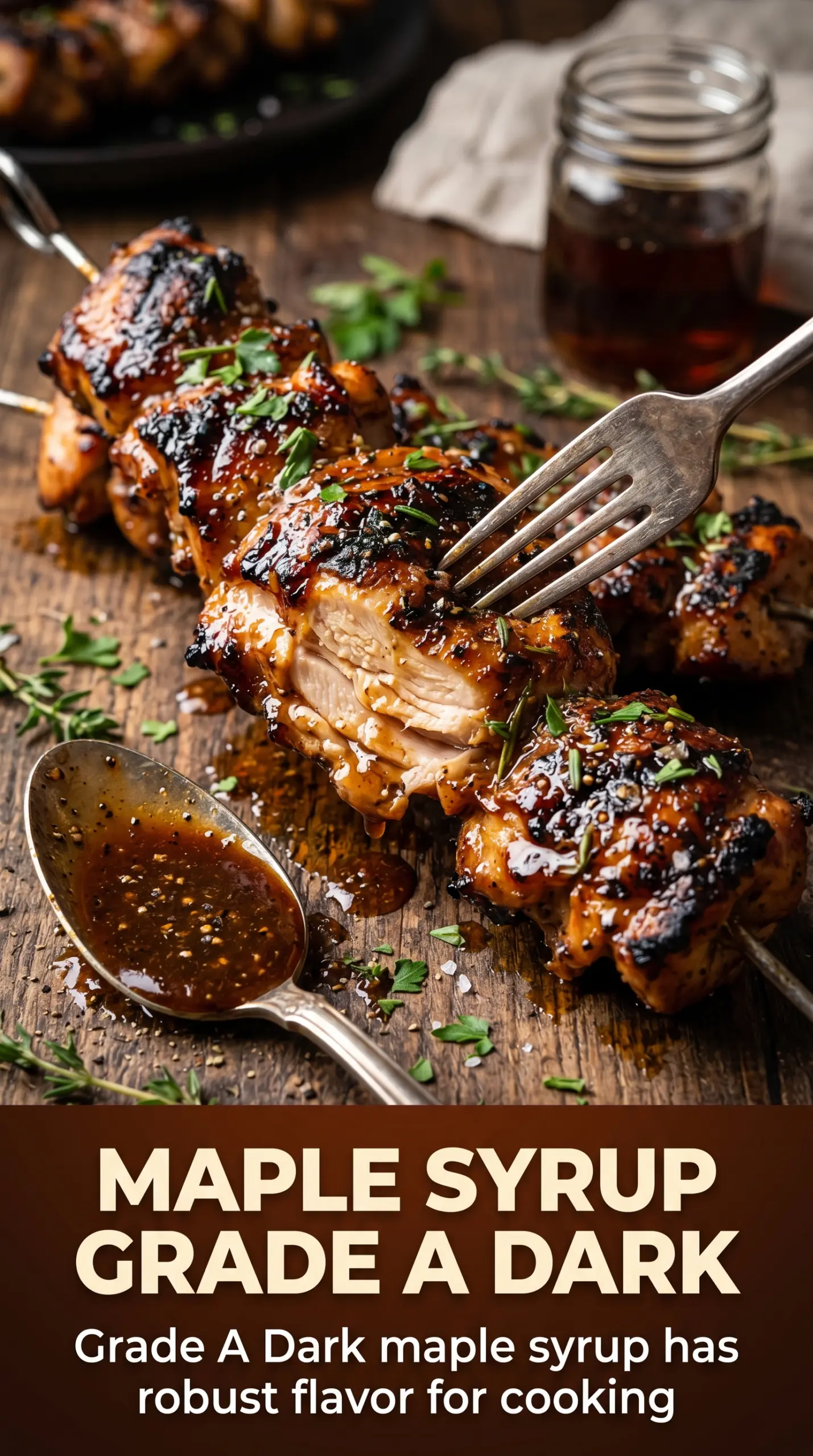
- BBQ sauce — This is the backbone of the glaze, so use one you’d actually eat on its own. A thick sauce clings better to the chicken and reduces into a shiny coating on the grill.
- Bourbon — It adds depth, not a strong alcohol taste. If you don’t keep bourbon around, you can swap in apple juice with a splash more vinegar, but the glaze will taste a little softer and less layered.
- Maple syrup — This is what gives the skewers their sticky finish and caramelized edges. Real maple syrup works best because it reduces cleanly and doesn’t taste flat.
- Apple cider vinegar — This keeps the sauce from leaning too sweet and helps the glaze cut through the richness of the chicken. Don’t skip it unless your barbecue sauce is already very sharp.
- Dijon mustard — It helps emulsify the glaze so the bourbon and maple don’t separate as easily. It also adds a subtle tang that makes the whole thing taste more complete.
- Chicken breasts — Breast meat cooks quickly and stays tender if you don’t overdo it. Cut the pieces evenly so they finish at the same time and stay juicy at the center.
- Wooden skewers — Soak them long enough to prevent scorching on the grill. If they’re still dry, the exposed ends can char before the chicken is done.
Building the Skewers and Grilling to a Dark, Glossy Finish
Mixing the Glaze
Whisk the barbecue sauce, bourbon, maple syrup, vinegar, and Dijon until the mixture looks smooth and unified. It should coat a spoon lightly, not feel watery. Taste it before the chicken goes in; the flavor should be bold and a little sharp because it will mellow as it cooks. If it tastes flat now, it will taste flat later.
Marinating the Chicken
Set aside a portion of the sauce first, then coat the chicken in the remaining marinade. One to four hours is the sweet spot. Less than that and the flavor stays on the surface; much longer and the vinegar starts to push the texture in the wrong direction. Keep it chilled while it marinates so the chicken stays firm and grills cleanly.
Threading and Spacing the Pieces
Thread the chicken onto soaked skewers with a little space between pieces. Crowding them too tightly blocks airflow and makes the chicken steam instead of browning. Leave just enough room for the heat to move around the meat. That space is what helps the glaze tighten up into a sticky coating instead of staying wet.
Grilling and Basting at the End
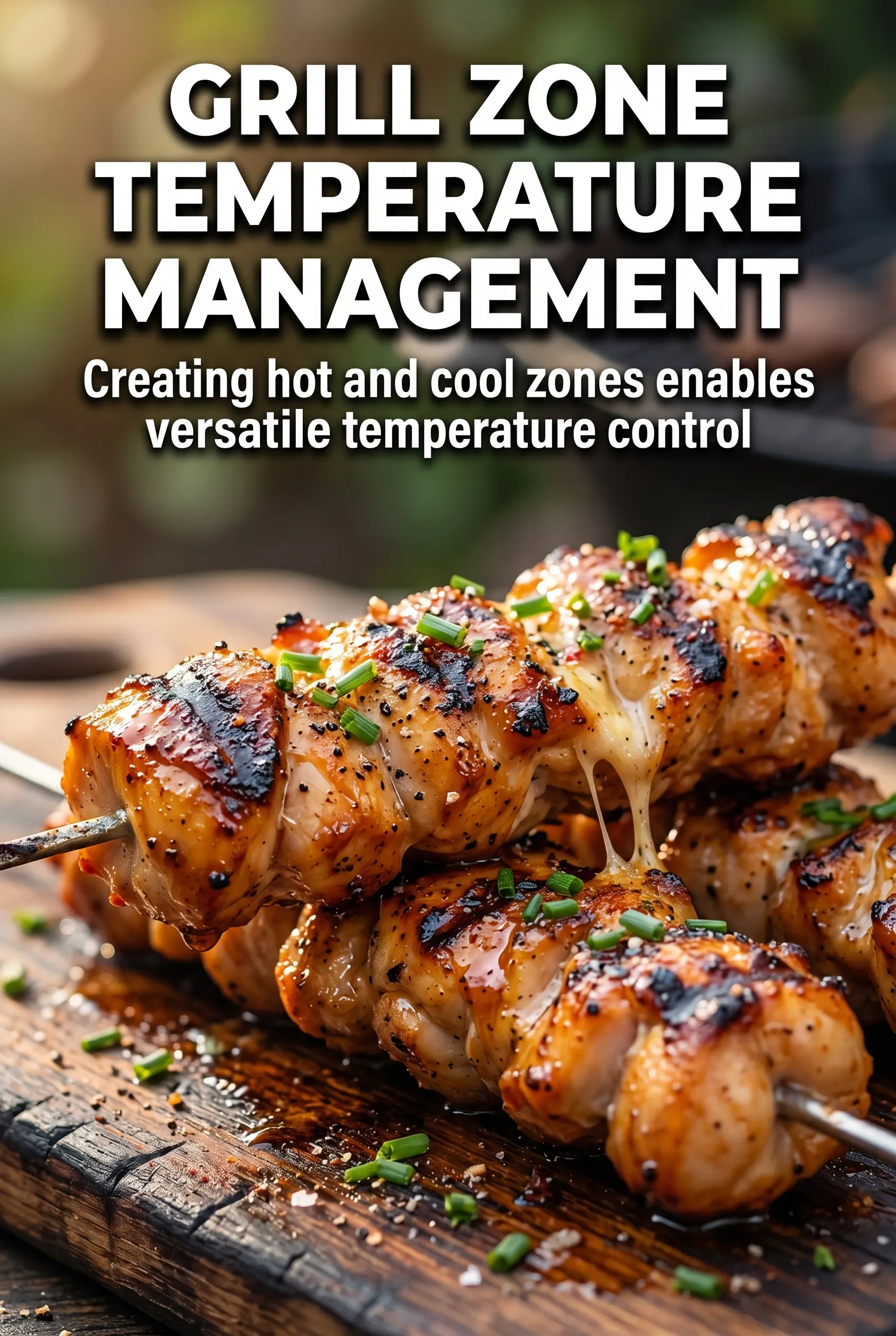
Grill over medium heat for about 5 to 6 minutes per side, turning once the underside releases and you see deep grill marks. Brush on the reserved sauce during the last few minutes so it thickens without burning. Pull the skewers when the chicken reaches 165°F and the glaze looks lacquered and sticky. If the glaze starts to darken too quickly, move the skewers to a cooler part of the grill and finish there.
How to Adapt These Skewers for Different Grills and Diets
Dairy-Free as Written
These skewers are naturally dairy-free, which makes them an easy main dish for a mixed crowd. Keep an eye on the barbecue sauce label if you’re using a store-bought version, since a few brands add butter or cream-based ingredients.
No Bourbon Version
Replace the bourbon with apple juice or water plus an extra teaspoon of vinegar. You’ll lose the deep oaky note, but the glaze still turns sticky and balanced instead of one-note sweet.
Chicken Thigh Swap
Boneless thighs stay juicier and handle a little more grill time, which makes them forgiving if your grill runs hot. They do take a touch longer to cook, and the richer meat makes the sweet glaze taste even deeper.
Oven Broiler Backup
If you can’t grill, broil the skewers on a foil-lined sheet pan, turning once and basting near the end. Keep them a few inches from the heat so the sugars caramelize without blackening before the chicken cooks through.
Storage and Reheating
- Refrigerator: Store leftovers in an airtight container for up to 4 days. The glaze will thicken as it chills, but the chicken stays flavorful.
- Freezer: Freeze the cooked chicken off the skewers for up to 2 months. Wrap it well and thaw in the refrigerator so the coating doesn’t turn watery.
- Reheating: Warm gently in a 300°F oven or in a covered skillet over low heat with a splash of water. High heat dries out the chicken and can turn the sugary glaze sticky in the wrong way.
Questions I Get Asked About This Recipe
Bourbon Maple BBQ Chicken Skewers
Ingredients
Equipment
Method
- In a bowl, mix BBQ sauce, bourbon, maple syrup, apple cider vinegar, and Dijon mustard until smooth and uniform.
- Reserve 1/4 cup of the sauce for basting, then set it aside.
- Marinate the cubed chicken in the remaining sauce for 1-4 hours in the refrigerator.
- Thread the marinated chicken onto the soaked wooden skewers.
- Preheat the grill to medium heat, then grill the skewers for 5-6 minutes per side, basting frequently with the reserved sauce.
- Continue grilling until the chicken reaches 165°F and the glaze looks sticky and caramelized, with visible dark sheen.