Sticky brown sugar pineapple chicken is the kind of skillet dinner that gets scraped clean fast. The glaze clings to the chicken in a glossy, dark amber coat, and the pineapple chunks soften just enough to turn jammy at the edges without losing their bright bite. It tastes sweet first, then tangy, then a little savory from the soy sauce and browned chicken drippings underneath.
What makes this version work is the balance in the pan. The chicken gets a hard sear before the sauce goes in, which gives the glaze something deeper to hang onto instead of tasting one-note and sugary. Pineapple juice brings the fruit flavor into the sauce itself, while the cornstarch slurry thickens it fast enough to coat the chicken without needing a long simmer that would dry everything out.
Below, I’ve included the small details that matter most: how to get the glaze thick instead of thin, when to add the pineapple chunks so they stay distinct, and the swaps that still keep the dish tasting bold and balanced.
The glaze thickened up exactly like you said and coated the chicken instead of pooling in the pan. I was worried it would be too sweet, but the soy sauce and ginger kept it balanced.
Like this brown sugar pineapple chicken? Save it for the nights when you want a sticky skillet glaze and a fast rice bowl dinner.
The Reason the Glaze Clings Instead of Sliding Off
The biggest mistake with pineapple chicken is rushing the sauce before the pan has enough flavor in it. If the chicken never gets real color, the glaze tastes flat and sweet instead of layered. Searing the chicken first leaves browned bits in the skillet, and those bits dissolve into the sauce when the pineapple juice goes in.
The other trap is thinning the sauce too early or too late. The cornstarch slurry needs a simmer to activate, but it only takes a couple of minutes once it hits the pan. Let it go until the sauce looks glossy and lightly thickened; if it cooks much longer after that, it can turn tacky instead of silky.
What Each Ingredient Is Doing in the Pan
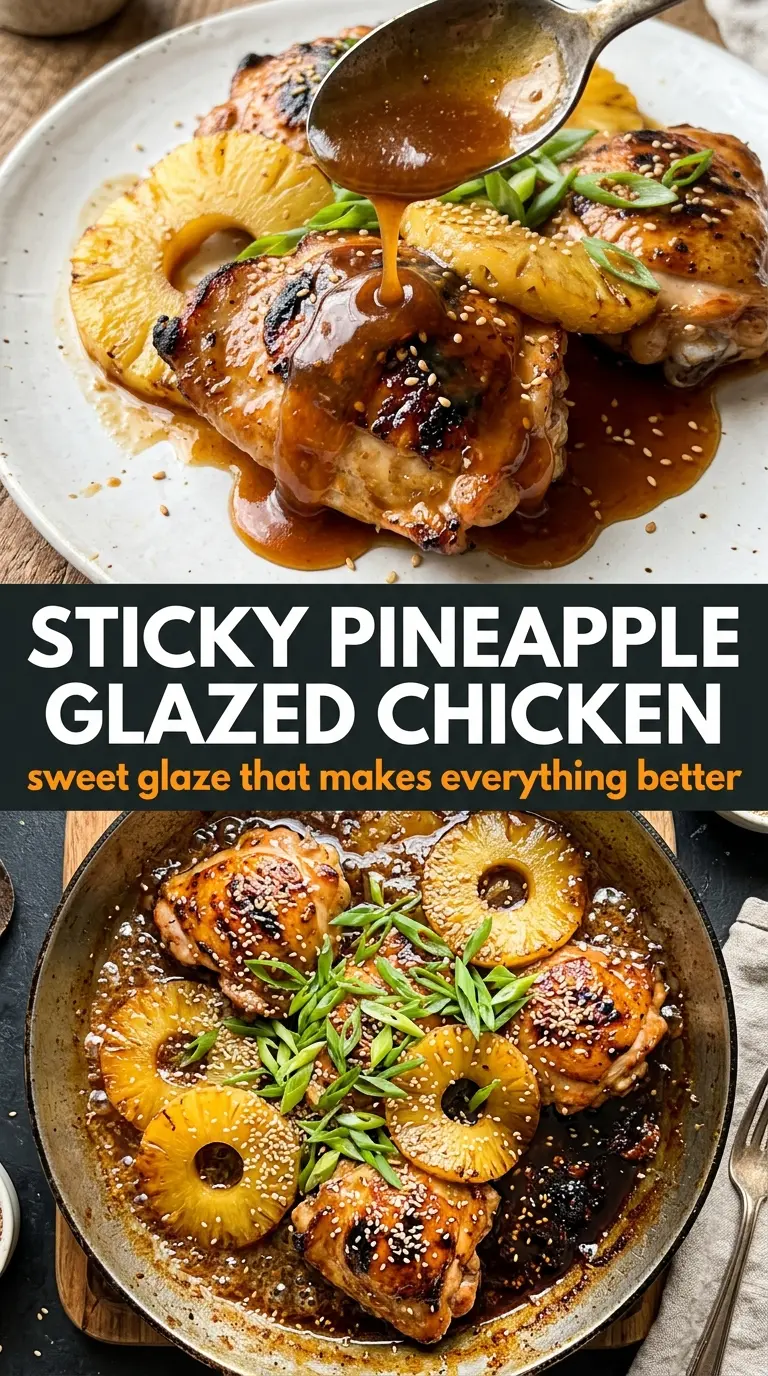
- Chicken breasts — Boneless, skinless breasts keep the recipe fast and lean, but they need a proper sear and a short finish in the glaze so they stay juicy. If your pieces are thick, pound them to an even thickness so the center cooks before the outside dries out.
- Pineapple juice — This is the backbone of the sauce, not just a sweetener. Fresh or bottled both work, but canned juice is plenty good here as long as it’s 100% juice and not a syrup blend.
- Brown sugar — It gives the glaze that caramel note and helps the sauce turn sticky instead of thin. Packed light brown sugar is fine; dark brown sugar makes the glaze deeper and a little more molasses-heavy.
- Soy sauce — This is what keeps the sauce from tasting like candy. Use low-sodium if that’s what you keep around, then taste before adding any extra salt because the glaze reduces fast.
- Ketchup — It adds body, a little acid, and a tomato-backed sweetness that rounds out the pineapple. Don’t skip it unless you’re willing to replace that balance with extra ginger or a splash of rice vinegar.
- Cornstarch slurry — This is what turns the sauce into a glaze. Mix it with cold water first, then stir it into the simmering sauce; if you dump the dry cornstarch straight into the pan, you’ll get little starchy clumps.
- Pineapple chunks — Add them after the sauce thickens so they warm through without turning to mush. Canned chunks work fine here if that’s what you have, just drain them well so they don’t water down the glaze.
Getting the Chicken Golden Before the Glaze Goes In
Season and Sear Hard
Season the chicken with salt, pepper, garlic powder, and smoked paprika, then lay it into a hot skillet with olive oil. You want a steady sizzle as soon as it hits the pan. If the chicken sticks and won’t release after a minute or two, it isn’t ready to turn yet. Let it cook until each side is deeply golden and the thickest part reaches 165°F.
Build the Sauce in the Same Pan
Pull the chicken out and keep the pan on the heat. Whisk in the pineapple juice, brown sugar, soy sauce, ketchup, garlic, and ginger, scraping up every browned bit from the bottom. That fond is where the savory depth comes from. Bring the liquid to a simmer, not a hard boil, so the sugar doesn’t scorch before the sauce has a chance to reduce.
Thicken, Then Coat
Stir in the cornstarch slurry and let the sauce bubble for 2 to 3 minutes. It should move from watery to glossy and lightly nape the spoon. Add the pineapple chunks once the sauce is thick, then return the chicken to the pan and turn it until every piece is lacquered. If the glaze looks too loose, give it another minute; if it gets too tight, a splash of pineapple juice loosens it right back up.
How to Adapt It for Different Tables and Different Pantries
Use chicken thighs for a richer finish
Boneless thighs stay juicier and bring a little more richness to the sweet-tangy glaze. They take a few minutes longer than breasts, but they’re more forgiving if you’re nervous about overcooking.
Make it gluten-free without losing the sticky glaze
Swap in tamari or a certified gluten-free soy sauce. The flavor stays close, and the cornstarch-thickened sauce behaves the same way, so you won’t lose that glossy finish.
Turn it into a dairy-free rice bowl dinner
This recipe is already dairy-free as written, which makes it easy to serve over rice with steamed broccoli or snap peas. The glaze does the heavy lifting, so you don’t need cream or butter to make the dish feel complete.
Dial back the sweetness with extra ginger and vinegar
If your pineapple juice runs very sweet, add another teaspoon of grated ginger or a small splash of rice vinegar at the end. That keeps the glaze bright and prevents it from tasting heavy.
Storage and Reheating
- Refrigerator: Store leftovers in an airtight container for up to 4 days. The sauce will thicken as it chills, and the pineapple will soften a little.
- Freezer: It freezes well for up to 2 months, though the pineapple chunks will be softer after thawing. Freeze in a shallow container for faster cooling and better texture.
- Reheating: Warm it gently in a skillet over low heat with a splash of water or pineapple juice. High heat can make the glaze tighten up too much before the chicken is hot through.
Answers to the Questions Worth Asking
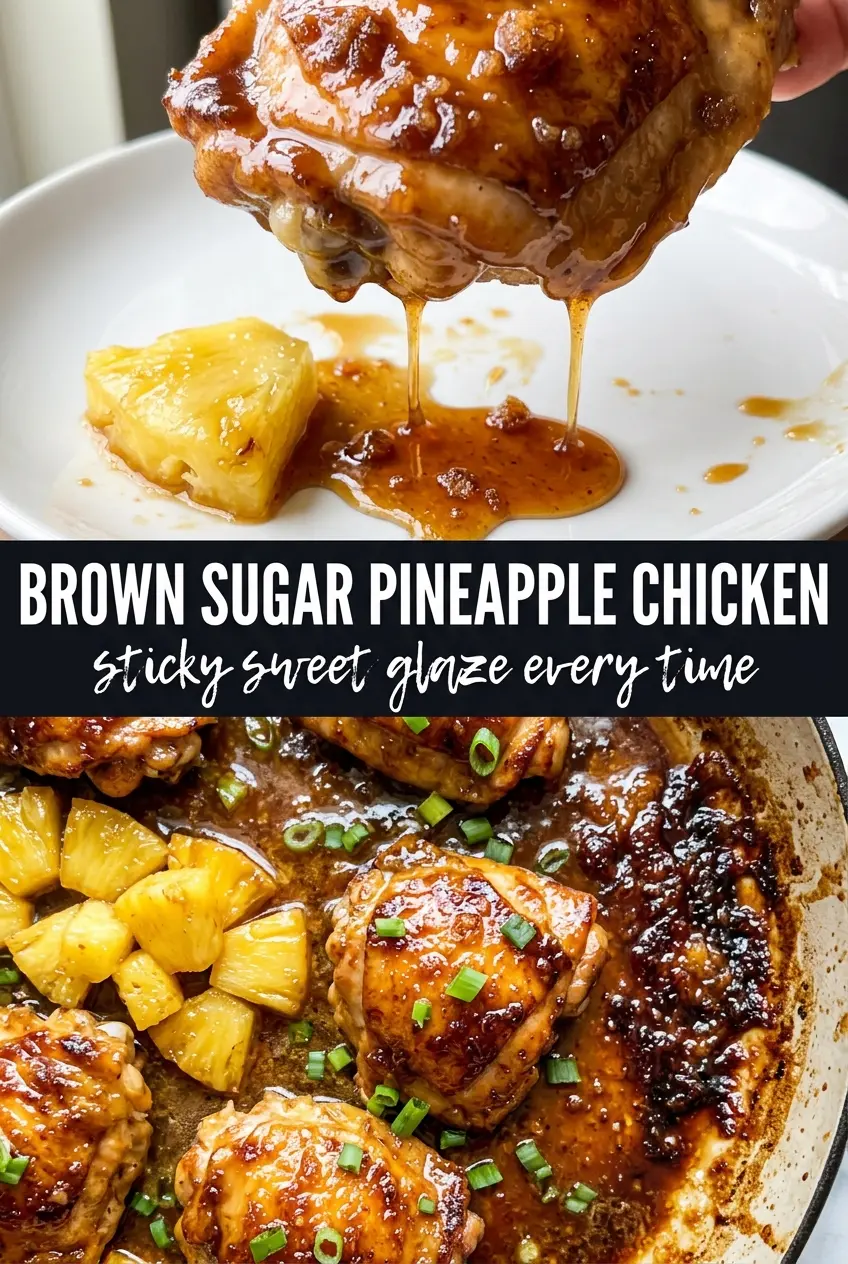
Brown Sugar Pineapple Chicken
Ingredients
Equipment
Method
- Season the chicken breasts with salt, pepper, garlic powder, and smoked paprika, then let them marinate in the seasoning for 20 minutes while you prepare the glaze. Keep the chicken covered in the refrigerator during this time.
- Heat the olive oil in a large skillet over medium-high heat until shimmering, then sear the chicken for 5-6 minutes per side until golden and cooked through to 165°F. Remove the chicken to a plate.
- In the same skillet, whisk pineapple juice, brown sugar, soy sauce, ketchup, garlic, and ginger, then bring the mixture to a simmer over medium heat. Look for small bubbles across the surface.
- Stir in the cornstarch slurry (cornstarch mixed with water) and cook for 2-3 minutes until the sauce thickens into a glaze. The sauce should look glossy and cling to the spoon.
- Add the pineapple chunks and simmer briefly so they heat through and start to caramelize in the amber sauce, then return the cooked chicken to the pan. The pineapple should be visible throughout the glaze.
- Turn the chicken to coat thoroughly in the glaze, then cook for 2 more minutes until the edges look darker and sticky. Spoon glaze over the top during cooking if needed.
- Garnish with sesame seeds and sliced green onions, then serve the pineapple glaze chicken over steamed rice. Scatter the garnish right before serving for a fresh green pop.