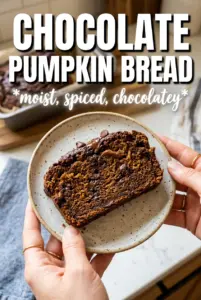
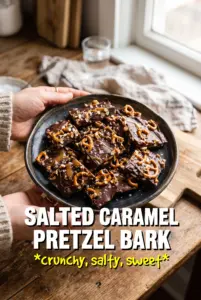
These butterbeer cookies bake up soft in the center with lightly crisp edges and that unmistakable butterscotch-caramel note that makes people come back for a second cookie before the first one is gone. The frosting takes them from good to memorable: tangy cream cheese, butterscotch sauce, and enough powdered sugar to pipe into a thick swirl that holds its shape without tasting overly sweet.
The dough leans on both brown sugar and butter extract, which gives the cookies a warm, bakery-style depth instead of a one-note sweetness. Butterscotch chips melt just enough in the oven to leave little pockets of caramel flavor, and the cookies are pulled when the centers still look slightly underdone so they finish setting as they cool. That’s the difference between soft cookies and dry ones.
Below, I’ve included the small details that matter most: how to keep the cookies from spreading too much, why the frosting texture changes depending on the temperature of the cream cheese, and a few smart variations if you want to adjust the finish without losing that butterbeer vibe.
The cookies stayed soft for days, and the butterscotch frosting piped beautifully without sliding off. I chilled the dough for 15 minutes and the cookies held their shape perfectly.
Save these butterbeer cookies with butterscotch frosting for the days when you want soft cookies, a thick swirl of frosting, and that caramel-drizzled finish.
The Dough Needs a Short Hand With the Oven, Not a Long One
These cookies are at their best when the butter and sugars are beaten until pale and fluffy, but not so long that the mixture turns loose and greasy. That step traps air, which helps the cookies bake up with a soft middle instead of turning dense. If the butter is too soft or melted, the dough will spread before the structure sets, and the cookies will lose that thick, bakery-style shape.
The other thing that matters here is how the butterscotch extract behaves. It’s strong, and a little goes a long way. Too much gives the dough a sharp, artificial edge, while the measured amount blends into the brown sugar and chips for a rounded butterscotch flavor that tastes like part of the cookie instead of perfume on top of it.
What Each Ingredient Is Actually Doing in These Butterbeer Cookies
- Unsalted butter — This is the backbone of both the cookies and the frosting. In the dough, softened butter creams with the sugars to create lift and tenderness. In the frosting, it helps the cream cheese pipe smoothly. Salted butter works in a pinch, but the cookies can taste slightly duller and less balanced.
- Brown sugar — This brings moisture and that deeper caramel note that makes the cookies taste like butterscotch instead of plain vanilla sugar cookies. Packed brown sugar also helps the centers stay soft after baking.
- Butter extract or vanilla extract — Butter extract pushes the flavor into real butterbeer territory. If you only have vanilla, use it and the cookies will still work, but the finish will be a little less nostalgic and a little more standard bakery cookie.
- Butterscotch extract — This is the ingredient that makes the flavor unmistakable. Don’t overdo it. The measured teaspoon gives you depth without a harsh aftertaste.
- Butterscotch chips — These hold their shape enough to give pockets of melted candy flavor without disappearing into the dough. If you can’t find them, caramel chips are the closest swap, though the flavor will be slightly softer and less distinct.
- Cream cheese — This keeps the frosting from tasting one-dimensional. It cuts the sweetness and helps the topping stay thick enough to swirl. Full-fat cream cheese gives the best texture; low-fat versions can turn loose.
- Butterscotch sauce — This loosens the frosting just enough and reinforces the flavor already in the cookies. A thicker sauce works better than a runny sundae topping because it won’t thin the frosting out too much.
Getting the Centers Soft Before the Frosting Goes On
Mix the dry ingredients first
Whisk the flour, baking soda, and salt together before they go into the bowl. That spreads the leavener evenly through the dough, which matters because a pocket of baking soda can leave a bitter bite or a strange rise in one part of the batch. If you skip this, you’ll usually notice uneven texture from cookie to cookie.
Cream until the mixture looks light and fluffy
Beat the butter with both sugars until the color lightens and the texture looks airy, not grainy. That usually takes a few minutes with a mixer and it should look almost like frosting before the eggs go in. If the butter clumps or stays glossy and heavy, it wasn’t softened enough and the cookies will bake up thicker and denser.
Stop mixing as soon as the flour disappears
Once the dry ingredients go in, mix only until you stop seeing streaks of flour. Overmixing at this stage builds toughness, and you don’t want that in a cookie meant to stay tender under frosting. Fold in the butterscotch chips at the end so they stay intact and don’t get crushed into the dough.
Pull them before the centers look finished
Bake the scoops until the edges are set and golden, but the centers still look soft and slightly underbaked. They keep cooking on the hot pan after they come out, which is how you get that chewy middle instead of a dry one. Let them cool completely before frosting; if they’re even a little warm, the cream cheese topping will slide.
Make the frosting thick enough to hold a swirl
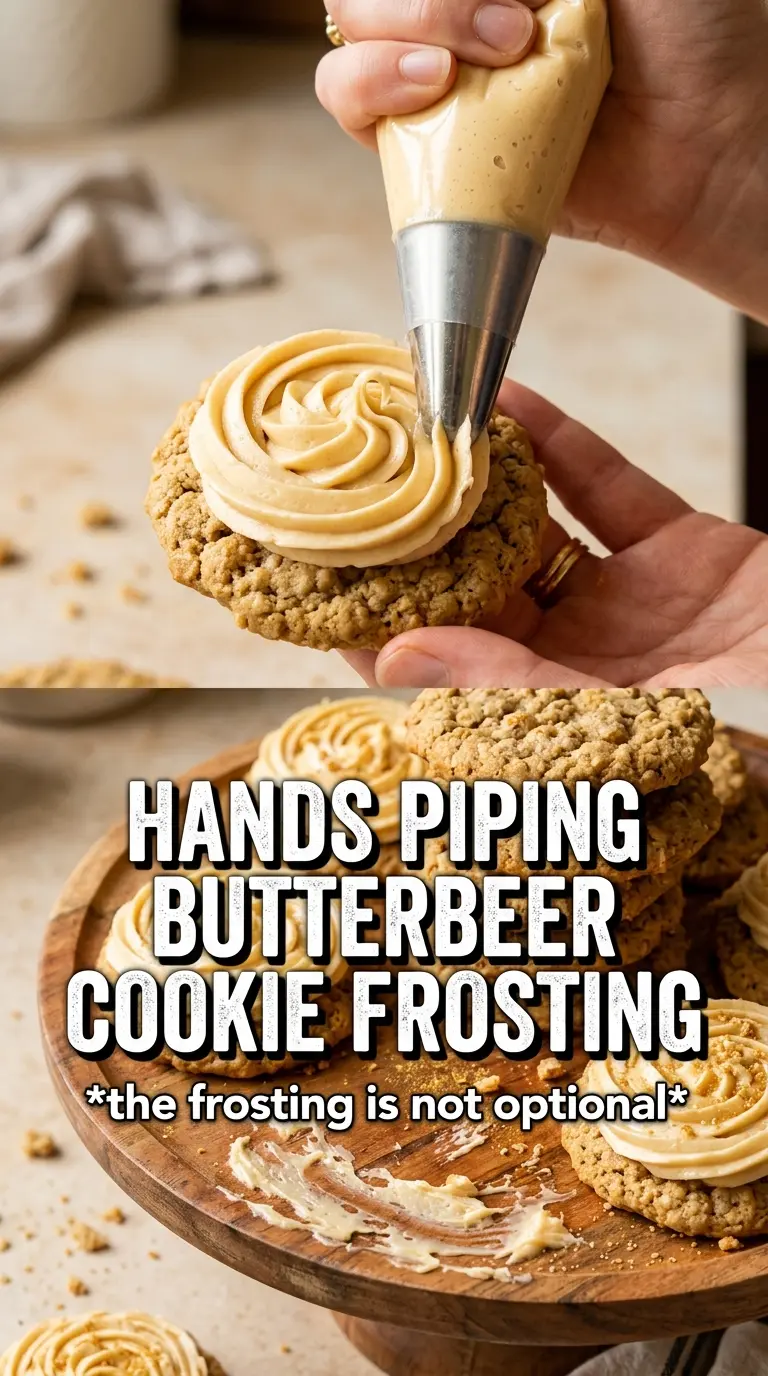
Beat the cream cheese, butter, butterscotch sauce, powdered sugar, and vanilla until smooth and pipeable. If it looks loose, add a little more powdered sugar. If it looks too stiff, a tiny spoonful of sauce loosens it back up. The frosting should hold ridges from the piping tip and stay put on the cooled cookie.
How to Change the Finish Without Losing the Butterbeer Feel
Dairy-Free Version
Use plant-based butter sticks in both the cookies and the frosting, then swap in a dairy-free cream cheese that’s meant for baking. The texture stays close, though the frosting may be a little softer and needs a brief chill before piping. Skip any overly salty substitutes, since they can fight the butterscotch flavor.
No Butterscotch Chips
Use caramel chips or chopped soft caramel candies for a similar melt and chew. The cookies will lean sweeter and a little less candy-like, but the frosting still carries the butterscotch note. If you use chopped caramels, expect a few richer, gooier pockets instead of tidy chips.
Make Them Taller and Thicker
Chill the scooped dough for 20 to 30 minutes before baking. That slows spreading and gives you puffier cookies with a softer center. If you want a flatter cookie for stacking, bake the dough straight away instead of chilling it.
Storage and Reheating
- Refrigerator: Store frosted cookies in an airtight container for up to 5 days. The frosting firms up cold, but the cookies stay soft underneath.
- Freezer: Freeze the unfrosted cookies for up to 2 months. Layer them with parchment so the tops don’t stick, then frost after thawing for the cleanest finish.
- Reheating: Let chilled cookies sit at room temperature for 20 to 30 minutes before serving. Microwaving frosted cookies can melt the swirl, so room-temp thawing is the better move.
Answers to the Questions Worth Asking
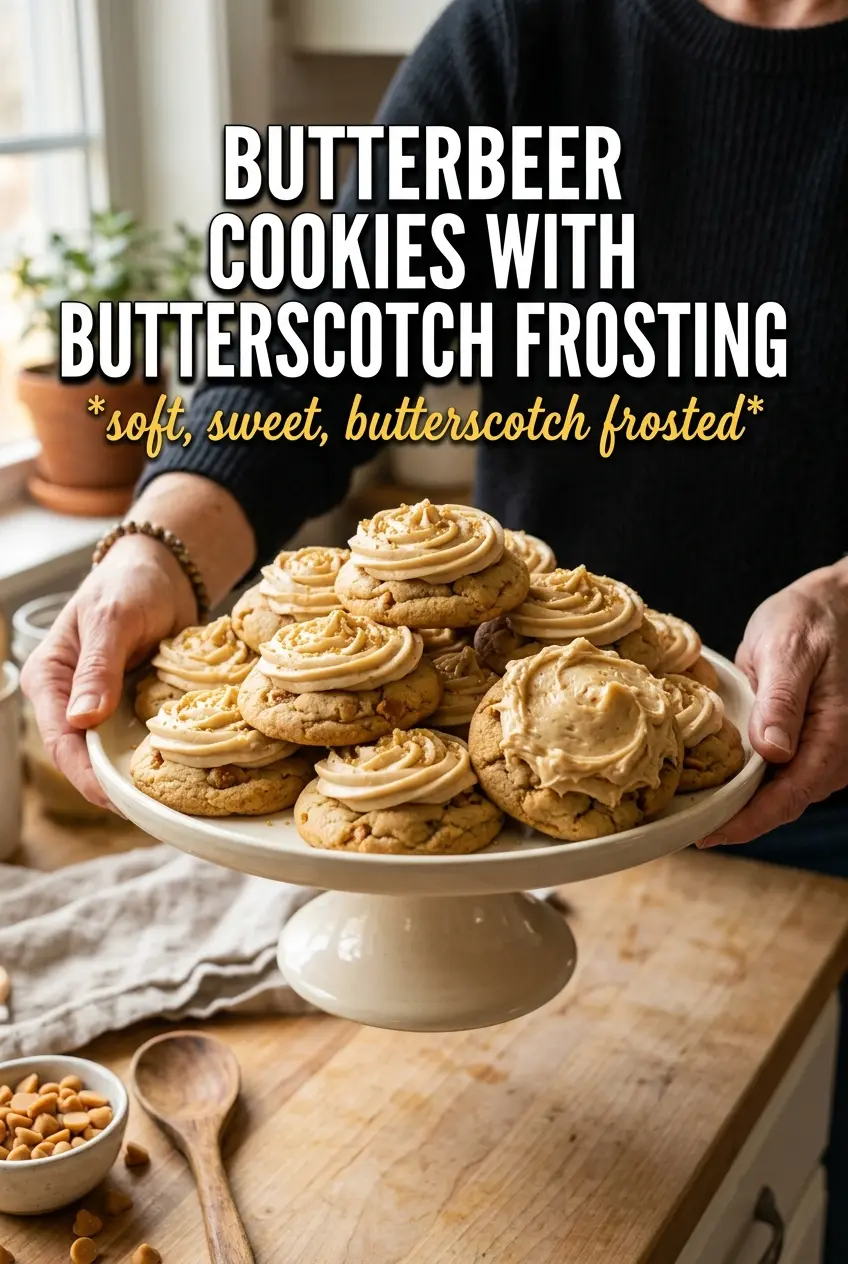
Butterbeer Cookies With Butterscotch Frosting
Ingredients
Equipment
Method
- Preheat the oven to 375°F and line baking sheets with parchment.
- Whisk together all-purpose flour, baking soda, and salt until evenly distributed.
- Beat unsalted butter (softened) with brown sugar and granulated sugar until fluffy.
- Add the eggs, butter extract or vanilla extract, and butterscotch extract, then beat until smooth.
- Fold in the flour mixture until no dry streaks remain.
- Fold in the butterscotch chips.
- Scoop the dough into 2-tablespoon rounds and place them on the baking sheets.
- Bake at 375°F for 10–12 minutes, until the cookies are golden at the edges.
- Cool the cookies completely before frosting.
- Beat the cream cheese, unsalted butter, butterscotch sauce, powdered sugar, and vanilla until smooth.
- Pipe a generous swirl of butterscotch frosting onto each cooled cookie.
- Drizzle caramel sauce over the top and finish with an extra butterscotch chip on each cookie.