Caramel apple sangria lands somewhere between a crisp white wine spritz and a fall cider punch, which is exactly why it disappears fast. The wine stays light, the apple cider brings the orchard sweetness, and the caramel gives each sip a soft, toasty edge without turning the drink heavy. When it’s chilled properly, the fruit takes on the sangria base instead of just floating in it, and the whole pitcher tastes layered instead of one-note.
The key is balance. Pinot grigio keeps the drink bright enough to handle the cider and caramel, while ginger ale added at the end gives the finished pitcher a clean sparkle. If you use caramel sauce instead of caramel vodka, whisk it in well so it doesn’t sink and clump at the bottom of the pitcher. The sliced apples and pears aren’t just garnish here; they soak up the wine and cider and turn into little boozy bites worth spooning into every glass.
Below, I’ve included the small things that make this sangria work smoothly: how to keep the caramel from seizing, why the ginger ale waits until the last minute, and a few easy ways to adjust the sweetness if you want it drier or more dessert-like.
I used the caramel sauce option and whisked it into the cider first, and it blended perfectly without any little sticky bits. The pears were the surprise hit after chilling, and the ginger ale at the end kept it from getting flat.
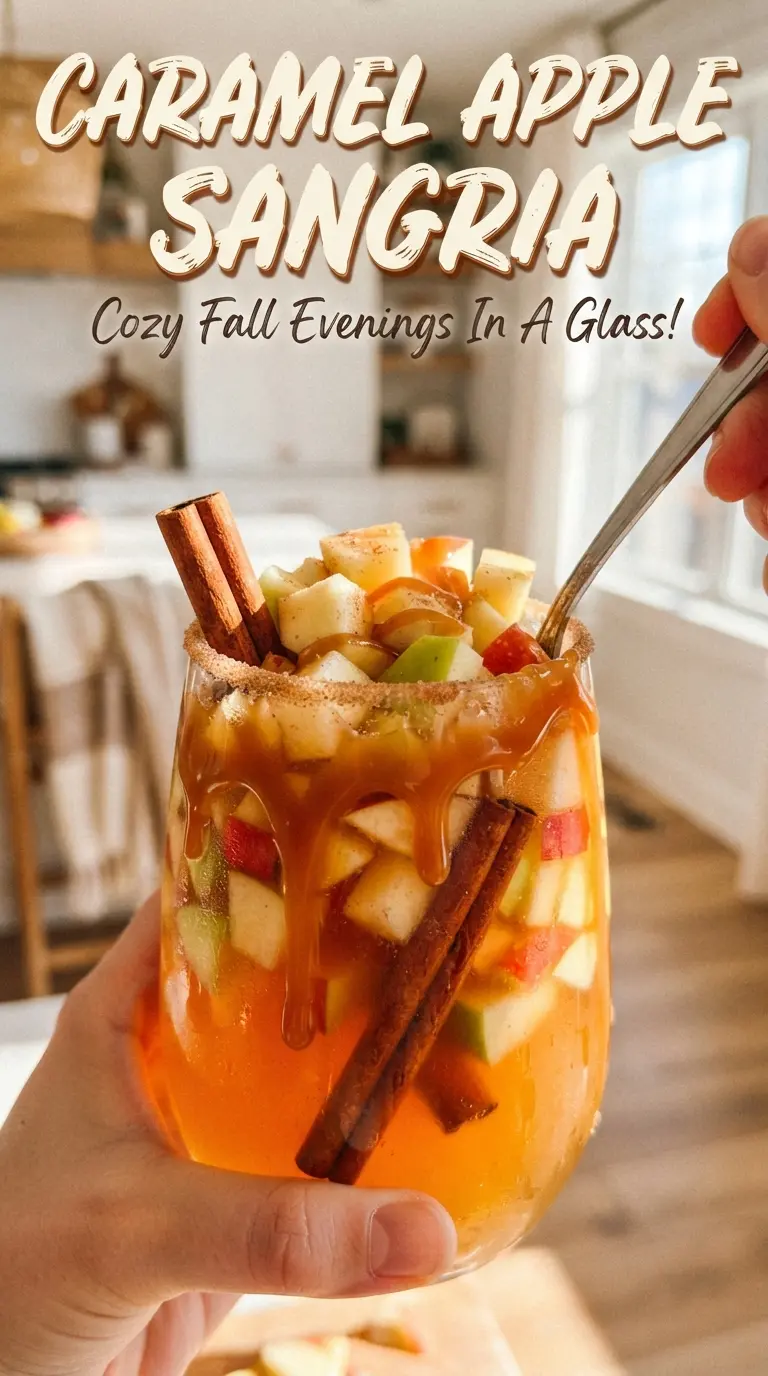
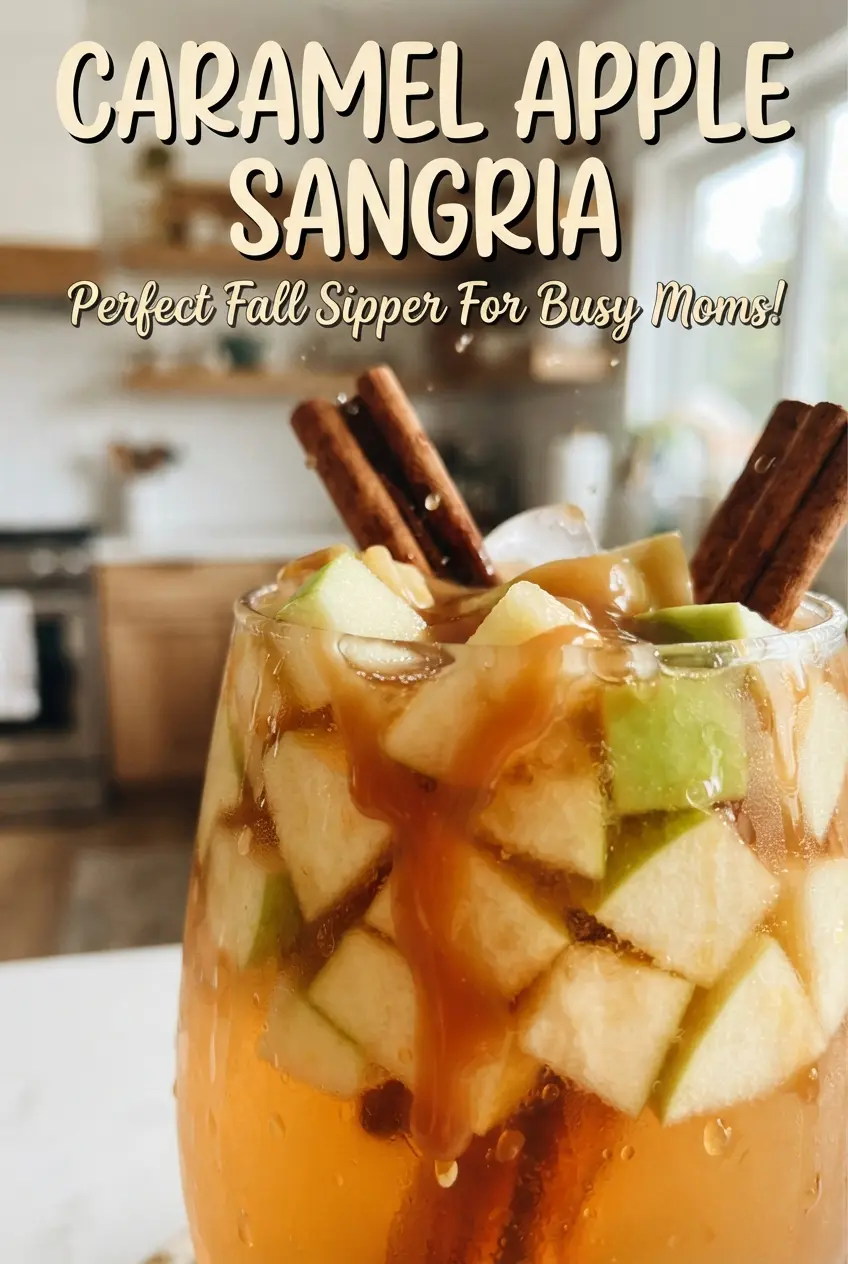
Save this caramel apple sangria for the nights when you want a chilled, fruity pitcher with cinnamon, pear, and a caramel rim.
The Part That Keeps This Sangria Bright Instead of Cloying
The common mistake with caramel sangria is treating it like a dessert drink first and a wine spritz second. If the caramel dominates, the pitcher turns sticky and flat after a few pours. The fix is to keep the wine chilled, use enough cider for apple flavor, and add the bubbly component right before serving so the drink stays lifted.
Another detail that matters is the fruit cut. Thin slices give up flavor faster and look better in the glass, but they also soften quicker, so this is a sangria that should be chilled and served the same day. Letting it sit for a couple of hours is enough to marry the flavors without turning the apples and pears mushy.
- Pinot grigio — Its clean, crisp profile gives the drink structure. A sweeter white wine makes the caramel feel heavier, so stay with something dry or off-dry.
- Apple cider — This is what makes the sangria taste like apples instead of just wine with fruit in it. Fresh cider has the best body, but bottled cider works fine if it tastes bright.
- Caramel vodka or caramel sauce — Vodka gives the easiest, smoothest blend. Caramel sauce works if that’s what you have, but whisk it into the cider first so it disperses instead of sinking.
- Ginger ale — This adds the final sparkle. Club soda makes the drink drier; ginger ale makes it rounder and a little sweeter.
Building the Pitcher So the Caramel Stays Smooth
- Pinot grigio — Use it straight from the fridge. Warm wine dulls the finish and makes the whole drink taste flatter than it should.
- Apple cider — This does the heavy lifting for flavor. If you want a sharper sangria, use cider with a little tartness rather than super-sweet juice.
- Caramel vodka or caramel sauce — The vodka blends in instantly. If you use sauce, start with a whisk and keep stirring until the mixture looks even and glossy.
- Apples and pear — Slice them thin so they infuse quickly. Thick chunks look pretty but don’t give up nearly as much flavor.
- Cinnamon sticks — These steep gently and perfume the pitcher without making it cloudy. Ground cinnamon will turn the drink gritty, so skip it.
Mixing the Base
Start with the wine, cider, and caramel vodka or caramel sauce in a large pitcher. If you’re using sauce, whisk until you don’t see ribbons of caramel drifting around the bottom. The mixture should look unified and slightly glossy, not streaked or clumpy. That first mixing step matters because caramel thickens once it hits cold liquid, and stirring now prevents a sticky layer from settling under the fruit.
Letting the Fruit Infuse
Add the sliced apples, pear, and cinnamon sticks, then chill the pitcher for at least two hours. During that rest, the fruit softens slightly and the cinnamon pulls the drink toward warm spice without overpowering it. If you rush this part, the sangria tastes like separate ingredients instead of one finished drink. Don’t leave it overnight unless you don’t mind very soft fruit and a stronger spice note.
Finishing With Bubbles and a Sugar Rim
Dip the rims of the glasses in caramel and then coarse sugar so the edge sets into a crunchy, sticky border. Add the ginger ale only when you’re ready to pour because it loses its lift if it sits in the pitcher. Serve over ice with a few pieces of fruit in each glass. If the drink feels too sweet after chilling, use club soda instead of ginger ale for the final top-off.
Three Small Swaps That Change the Finish
Drier Version With Club Soda
Swap the ginger ale for club soda and keep the caramel rim a little lighter. You still get the apple-cinnamon base, but the finish lands cleaner and less sweet, which is better if you’re serving this with salty snacks or rich desserts.
Alcohol-Free Pitcher
Replace the wine with more chilled apple cider and add a splash of white grape juice for body. You lose the wine’s dry edge, so keep the ginger ale on the drier side or the drink can start to taste like straight punch.
Make It More Dessert-Like
Use caramel sauce instead of vodka and rim the glasses generously with caramel and coarse sugar. This gives you a richer, sweeter drink with a thicker mouthfeel, but it works best when the wine is extra crisp so the pitcher doesn’t taste syrupy.
Storage and Reheating
- Refrigerator: The base keeps for up to 2 days without the ginger ale. The fruit softens as it sits, so the first day is the best for texture.
- Freezer: Don’t freeze sangria. The wine separates and the fruit turns mushy once thawed.
- Reheating: No reheating needed. If the pitcher has been chilled ahead, add the ginger ale right before serving and stir gently so you don’t flatten the bubbles.
Questions I Get Asked About This Recipe
Caramel Apple Sangria
Ingredients
Equipment
Method
- Combine the chilled pinot grigio, apple cider, and caramel vodka in a large pitcher, whisking well if using caramel sauce. Keep the mixture moving until the caramel is fully incorporated, with a uniform golden color.
- Add the thinly sliced apples, pear slices, and cinnamon sticks to the pitcher. Stir gently so the fruit and cinnamon are evenly distributed throughout the liquid.
- Chill the sangria at least 2 hours so the fruit soaks up the flavor. The mixture should look more infused and slightly deeper in color as it sits.
- Dip glass rims in caramel, then in coarse sugar. Place the glasses on a flat surface so the sugar sticks and the rims set before filling.
- Top the pitcher with the chilled ginger ale just before serving. Pour it in right before serving so the drink stays fizzy.
- Pour the sangria over ice into each rimmed glass, adding some fruit to every glass. Serve immediately with visible apple and pear slices in each pour.