Cheesy pumpkin pasta bake lands in that sweet spot between cozy and substantial: creamy pumpkin sauce clings to every ridge of the rigatoni, the sausage gives it backbone, and the top turns into a bubbling crust of mozzarella and parmesan. It’s the kind of baked pasta that comes out of the oven looking like you worked harder than you did, which is exactly why it keeps ending up on the dinner table.
What makes this version work is balance. Pumpkin puree brings body and a gentle sweetness, but it doesn’t get the final word because Italian sausage, garlic, nutmeg, and a little cayenne keep the sauce savory and awake. Cooking the pasta just short of al dente matters too, because it finishes in the oven and soaks up the sauce instead of turning soft and heavy.
Below you’ll find the timing that keeps the sauce creamy instead of thick and pasty, plus a few smart swaps if you want to make it a little lighter or stretch it for a bigger crowd.
The sauce stayed silky in the oven and the sausage plus pumpkin combo tasted richer than I expected. Baking it until the top was deeply golden gave us those crispy cheesy edges everyone fought over.
Save this cheesy pumpkin pasta bake for the nights when you want a creamy baked pasta with a crisp, golden top and almost no fuss.
The Part Where Pumpkin Sauces Usually Go Flat
The mistake most pumpkin pasta bakes make is leaning on pumpkin like it behaves the way tomato sauce does. It doesn’t. Pumpkin is thick, mild, and a little earthy, which means it needs fat, seasoning, and enough broth to loosen it into something that can coat pasta instead of sitting in a dense layer under the cheese. That’s why the cream goes in with the pumpkin and the sausage fat stays in the pan long enough to carry flavor.
Undercooking the pasta by a couple of minutes matters here too. Once the bake goes into the oven, the noodles keep absorbing liquid, and rigatoni or ziti holds the sauce in the tubes instead of letting it slide away. If you cook the pasta all the way through first, the final dish can go soft and the sauce can tighten up too much.
- Italian sausage — This is the savory anchor. Mild or hot both work, but you want a sausage that browns well and renders enough fat to build the base of the sauce.
- Pumpkin puree — Use plain pumpkin puree, not pumpkin pie filling. Pie filling already has sugar and spice, and it pushes the dish in the wrong direction fast.
- Heavy cream — This gives the sauce body and keeps the pumpkin from tasting thin. Half-and-half can work, but the sauce will be looser and a little less plush.
- Rigatoni or ziti — Tubes matter here because they trap sauce inside and between the ridges. Short pasta with good structure gives you better texture after baking than a delicate shape would.
What Each Ingredient Is Doing in the Baking Dish
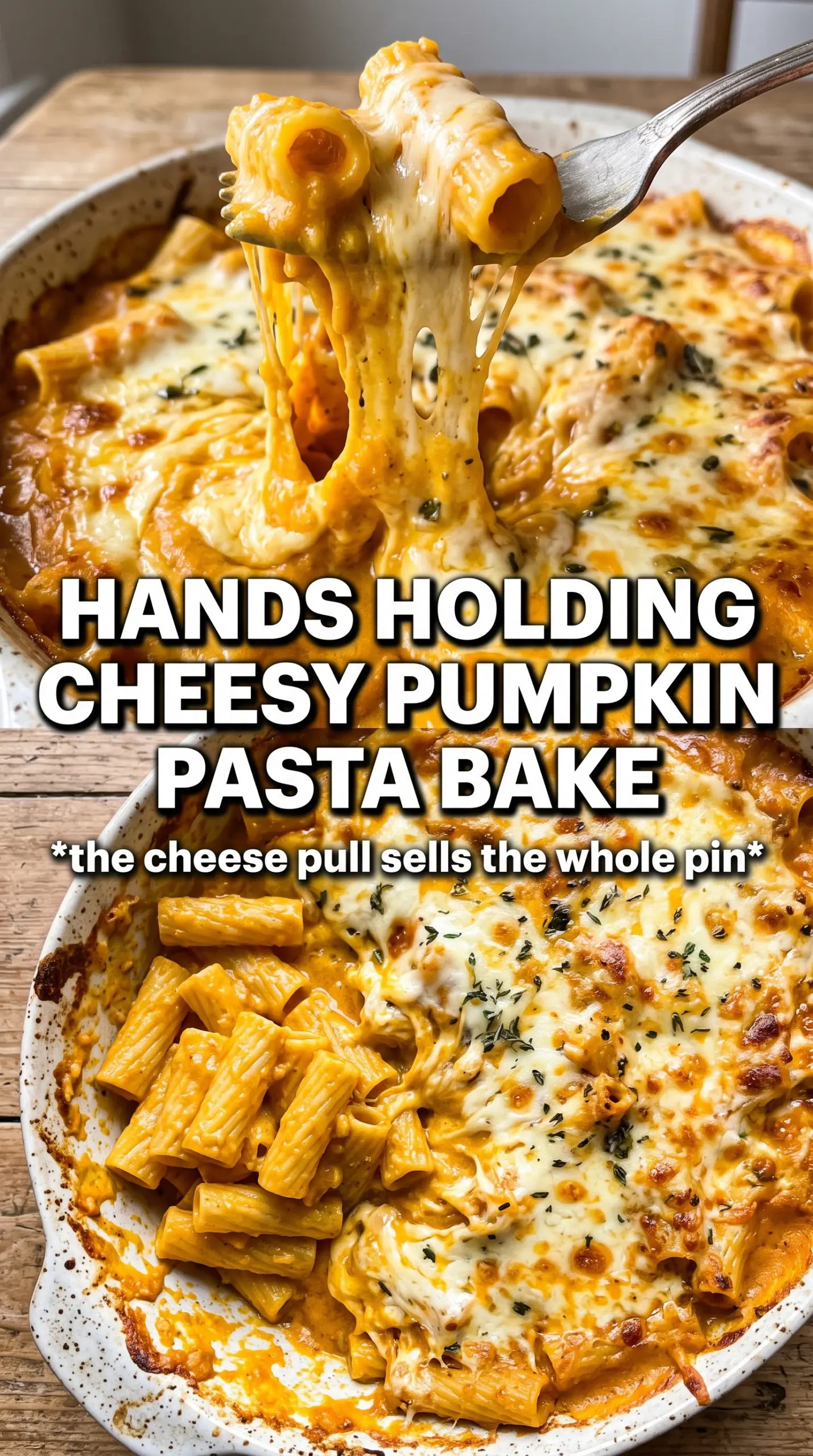
- Rigatoni or ziti — Either one works, but ridged pasta grabs more sauce. If you only have penne, use it and don’t overthink it.
- Italian sausage — Pork sausage gives the richest flavor and enough fat to carry the seasoning. Turkey sausage can work for a lighter version, but you’ll want a splash more olive oil because the pan will be drier.
- Onion and garlic — These cook down into the background and keep the pumpkin from tasting one-note. Let the onion soften fully before the garlic goes in so it doesn’t burn in the hot pan.
- Pumpkin puree, cream, and broth — This trio makes the sauce. The broth loosens the puree just enough so it can settle around the pasta, while the cream keeps the texture velvety instead of grainy.
- Nutmeg and cayenne — Nutmeg gives pumpkin a warmer, rounder taste, and cayenne keeps the sauce from reading sweet. The amount is small, but it changes the whole dish.
- Mozzarella and parmesan — Mozzarella gives the melt, parmesan gives the crust and salt. Using both is what gets you that browned, cheesy top with actual flavor instead of just stretch.
Building the Sauce So It Stays Creamy in the Oven
Brown the sausage first
Start with a hot skillet and give the sausage time to develop real color before anything else goes in. You want browned bits on the bottom of the pan, not pale crumbles, because those bits dissolve into the sauce and make the whole dish taste deeper. Drain off excess fat if the pan looks greasy, but leave enough behind to cook the onion.
Cook the aromatics until they soften
Add the onion and cook until it turns translucent and sweet at the edges, then stir in the garlic for just a minute. If the garlic goes in too early, it can scorch and turn bitter once the pumpkin and cream hit the pan. This is the point where the dish starts smelling like dinner instead of individual ingredients.
Let the sauce simmer before the pasta joins in
Stir in the pumpkin puree, cream, broth, seasoning, nutmeg, and cayenne, then let the mixture bubble gently for about five minutes. The sauce should look smooth and glossy, not separated or watery. If it seems too thick before the pasta goes in, loosen it with a splash of broth; if it looks loose, don’t panic, because the pasta and cheese will finish tightening it in the oven.
Bake until the center is bubbling
Once the pasta is folded in, scatter the mozzarella and parmesan across the top and bake until the edges are bubbling hard and the top is deeply golden. The cheese should look blistered in spots, and the sauce around the edge of the pan should be actively simmering. Pull it too early and you’ll miss the baked texture; leave it too long and the sauce can dry out at the corners.
Three Ways to Make This Pasta Bake Fit Your Table
Make it lighter with turkey sausage
Swap the pork sausage for turkey sausage and add a tablespoon of olive oil to the pan so the onion still cooks in some fat. You’ll lose a little richness, but the pumpkin and parmesan keep the dish satisfying.
Go gluten-free without changing the flavor
Use a sturdy gluten-free rigatoni or penne and cook it just until barely tender. Gluten-free pasta softens faster in the oven, so pulling it early helps keep the final texture from turning mushy.
Stretch it for a bigger crowd
Add an extra half pound of pasta and one more cup of broth if you want to feed more people, then increase the cheese just enough to cover the surface. The flavor stays the same, but the sauce will feel a little looser before baking, which is exactly what you want for a larger batch.
Storage and Reheating
- Refrigerator: Store covered for up to 4 days. The pasta will absorb more sauce as it sits, so the leftovers get thicker.
- Freezer: It freezes well in a tightly wrapped baking dish or airtight container for up to 2 months. Freeze in portions if you want easier reheating later.
- Reheating: Warm in a 350°F oven covered with foil until hot, then uncover for the last few minutes to re-crisp the top. If it looks dry, add a splash of cream or broth before reheating instead of trying to fix it after the cheese has already hardened.
Questions I Get Asked About This Recipe
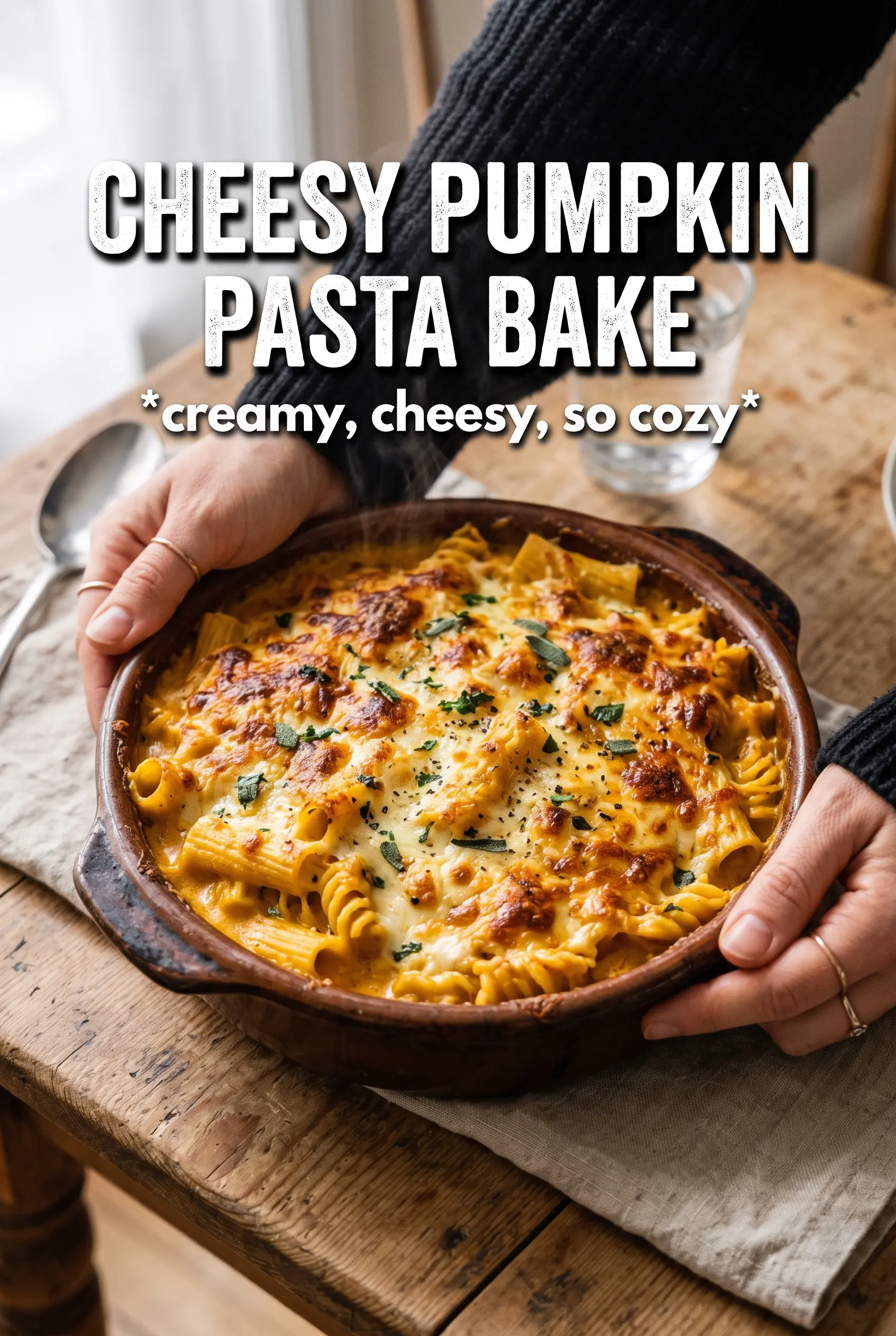
Cheesy Pumpkin Pasta Bake
Ingredients
Equipment
Method
- Preheat the oven to 375F. Cook the rigatoni or ziti 2 minutes less than al dente so it finishes cooking in the bake.
- Brown the Italian sausage in a large oven-safe skillet, then drain the fat. Keep the meat in the skillet for layering.
- Add the diced onion to the skillet and cook for 4 minutes. Stir until softened and fragrant.
- Add the minced garlic and cook for 1 minute. Stir continuously to prevent burning.
- Stir in the pumpkin puree, heavy cream, chicken broth, Italian seasoning, nutmeg, and cayenne. Mix until smooth and evenly colored.
- Simmer the pumpkin mixture for 5 minutes. Stir occasionally until slightly thickened.
- Season with salt and pepper to taste. Toss the cooked pasta into the sauce until well coated.
- Scatter the shredded mozzarella and grated parmesan over the top. Cover the surface so the crust bakes up golden.
- Bake at 375F for 25-30 minutes until bubbling and golden. Watch for melted cheese that browns around the edges.
- Garnish with fresh sage or basil. Add it right after baking for the best color.