Golden chicken strips, charred peppers, and tender zucchini make this chicken and vegetables skillet one of those dinners that looks like you worked harder than you did. The chicken sears up deeply browned on the outside, the vegetables pick up just enough color at the edges, and the light garlic-herb sauce ties everything together without turning the pan heavy or greasy. It’s the kind of meal that hits the table fast, but still tastes like it came from a cook who knows how to build flavor in layers.
The trick is keeping the heat high enough to get color without crowding the pan. Chicken breasts cut into strips cook quickly, which means they stay juicy if you pull them the moment they hit 165°F. The vegetables go into the same skillet after the chicken, so they soak up the browned bits left behind instead of starting from scratch. A splash of broth loosens everything, and the butter at the end gives the sauce a glossy finish that clings to the chicken and vegetables instead of pooling underneath.
Below you’ll find the searing order that keeps the chicken tender, the vegetable timing that prevents sogginess, and a few smart swaps if you want to adjust this skillet dinner for what’s already in your kitchen.
The chicken stayed juicy and the peppers still had a little bite, which made the whole skillet taste fresh instead of soggy. I loved how the broth and butter turned into a light sauce right in the pan.
Save this chicken and vegetables skillet for a fast one-pan dinner with golden chicken, blistered vegetables, and a garlicky pan sauce.
The Part Most People Get Wrong: Crowding the Pan Before the Chicken Browns
The chicken needs direct contact with the skillet to sear, not steam. If the pan is crowded, the strips start releasing juice, the temperature drops, and you end up with pale chicken and soft vegetables instead of that browned, savory edge that makes the whole dish taste finished. Work in a large skillet and give the chicken space so it can color properly before it ever meets the vegetables.
The other mistake is adding the vegetables too early. Bell peppers, zucchini, and onion each soften at a different pace, but they all need high heat and a little room to char. That quick blast of heat brings out sweetness and keeps the zucchini from collapsing into mush.
- Chicken strips — Cutting the breasts into even strips is what keeps them cooking at the same pace. Thin pieces brown fast and stay tender, but if some are much thicker than others, the smaller pieces will dry out before the larger ones are done.
- Bell peppers — Red and yellow peppers bring sweetness and color, and they hold their shape better than softer vegetables. Orange peppers work the same way if that’s what you’ve got.
- Zucchini — Slice it into half-moons so it can sear instead of steaming. If yours is very large, scoop out some of the seedy center first so the pan doesn’t flood with moisture.
- Red onion — Wedge-cut onion gives you edges that caramelize while the inside stays a little crisp. Yellow onion works too, but red onion gives the skillet a little more sweetness and visual contrast.
What Each Ingredient Is Doing in This Skillet
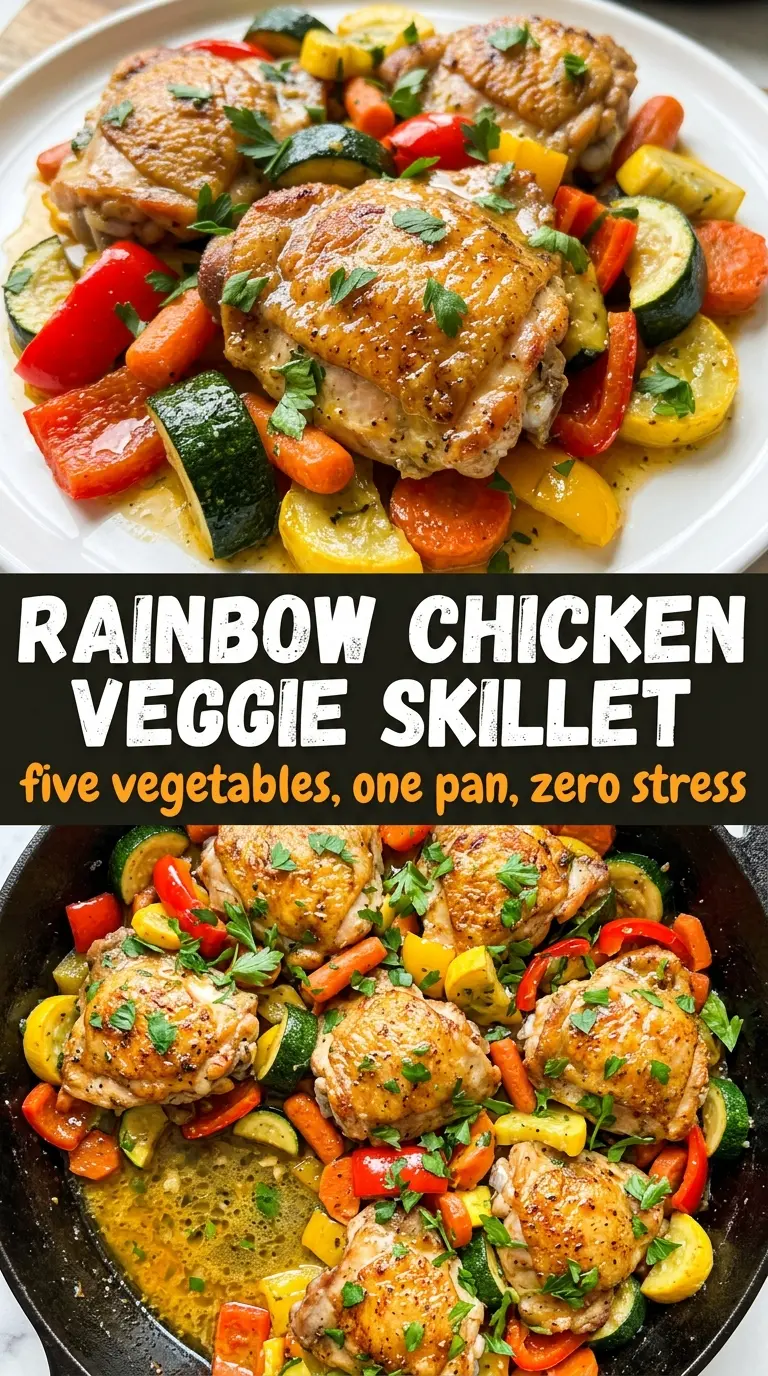
- Olive oil — Use enough to coat the pan and help the chicken brown without sticking. A neutral oil works too, but olive oil adds a little more flavor.
- Italian seasoning and smoked paprika — These do the heavy lifting on the chicken before it ever hits the pan. Smoked paprika adds a deeper savory note that makes the skillet taste more developed, while Italian seasoning gives the whole dish a familiar herbiness.
- Chicken broth — This loosens the browned bits from the pan and turns them into the start of the sauce. Water will deglaze in a pinch, but it won’t add the same depth.
- Butter — Stirred in at the end, it rounds out the broth and gives the skillet a light glossy coating. Add it after the heat is lowered a bit so it melts smoothly instead of breaking or evaporating away.
- Parsley and lemon wedges — These finish the dish with freshness. The lemon matters more than people think; a quick squeeze right before serving wakes up the chicken and keeps the vegetables from tasting flat.
How to Get the Chicken Browned and the Vegetables Blistered Without Overcooking Either
Season the Chicken First
Toss the chicken strips with the seasoning before they go into the skillet so every surface has flavor, not just the outside edge. Letting the spices sit on the meat while you heat the pan also helps the chicken release less moisture once it hits the oil. If the strips look wet, pat them dry first or they’ll spend the first minutes steaming instead of browning.
Sear the Chicken in One Layer
Heat the oil until it shimmers, then add the chicken in a single layer without piling pieces on top of each other. You want a deep golden color on the first side before turning anything over. If the pan starts to smoke hard, the heat is too high and the outside will darken before the center cooks through, so lower it just enough to keep the sear going.
Cook the Vegetables in the Fond
After the chicken comes out, the skillet should still have browned bits stuck to the bottom. That’s the flavor you’re building on. Add the peppers, zucchini, and onion to that same pan and let them sit long enough to take on char before stirring too much. If you keep moving them every few seconds, they’ll soften before they color.
Finish With Broth and Butter
Once the garlic is fragrant, pour in the broth and scrape the pan clean so the browned bits dissolve into the sauce. Return the chicken, add the butter, and toss until everything looks lightly coated and glossy. The butter should disappear into the broth, not separate into greasy patches, so keep the heat moderate at this stage.
Three Ways to Change the Skillet Without Losing What Makes It Work
Make It Dairy-Free
Skip the butter and finish with an extra teaspoon of olive oil instead. You’ll lose a little of the creamy gloss that butter gives the sauce, but the skillet will still taste bright and savory, especially with the lemon at the end.
Use Chicken Thighs Instead
Boneless thighs stay juicier and give you a richer result, but they usually need a few extra minutes in the pan. Cut them into similar-size strips and cook until the center is no longer pink and the edges are deeply browned.
Make It Low-Carb and Vegetable-Heavy
This already fits a lower-carb dinner, but you can cut the onion in half and add mushrooms or extra zucchini if you want more vegetables in the pan. Just keep the total amount low enough that the skillet still sears instead of filling with liquid.
Swap the Broth for White Wine
A dry white wine adds a sharper finish and a little more depth to the pan sauce. Use the same amount, let it simmer for a minute to cook off the alcohol, then add the butter so the final sauce stays balanced instead of sharp.
Storage and Reheating
- Refrigerator: Store in an airtight container for up to 4 days. The vegetables will soften a bit, but the flavor holds up well.
- Freezer: It freezes, though the zucchini will lose some texture. Freeze in portions for up to 2 months and thaw overnight in the fridge.
- Reheating: Warm gently in a skillet over medium-low heat with a splash of broth or water. Microwaving works, but it can make the chicken tough and push the vegetables past their best texture.
Answers to the Questions Worth Asking
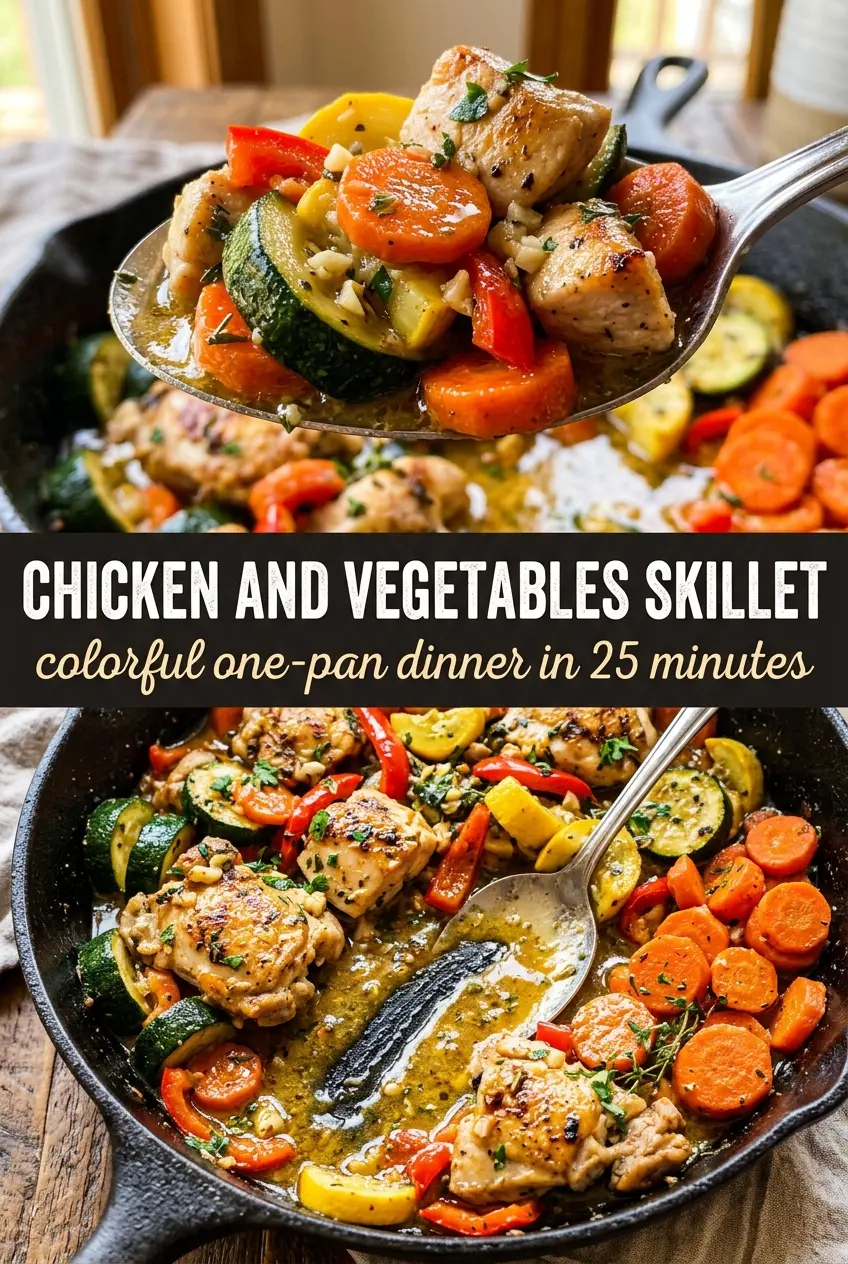
Chicken and Vegetables Skillet
Ingredients
Equipment
Method
- Season the chicken strips with Italian seasoning, smoked paprika, salt, and pepper. Heat olive oil in a large cast iron skillet over high heat and sear the chicken for 4–5 minutes until golden and cooked through to 165°F, then remove.
- Add bell peppers, zucchini, and red onion to the same pan and cook over high heat for 5–6 minutes until blistered and slightly charred.
- Add the minced garlic and cook for 1 minute, then pour in the chicken broth and deglaze the pan.
- Return the chicken to the pan and add the butter, tossing everything until coated. Garnish with fresh parsley and serve with lemon wedges.