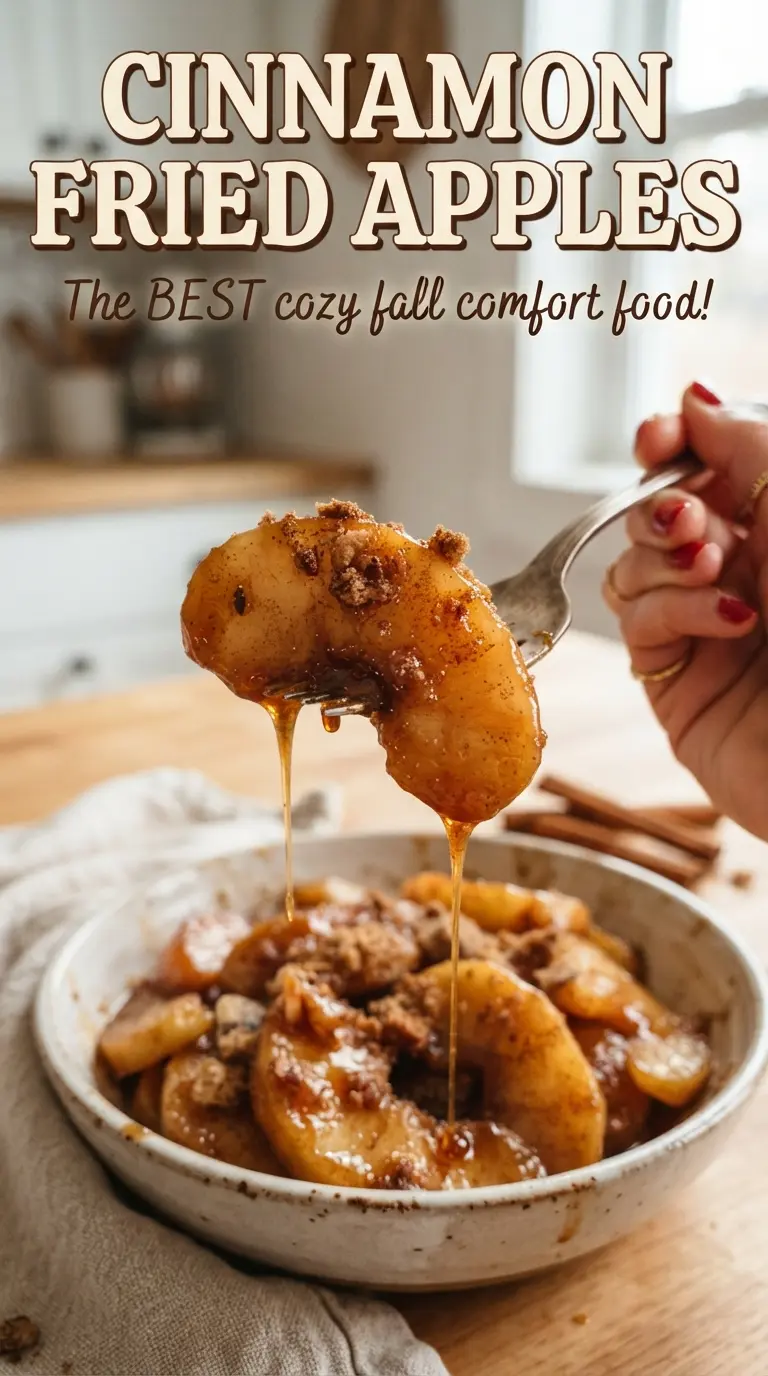
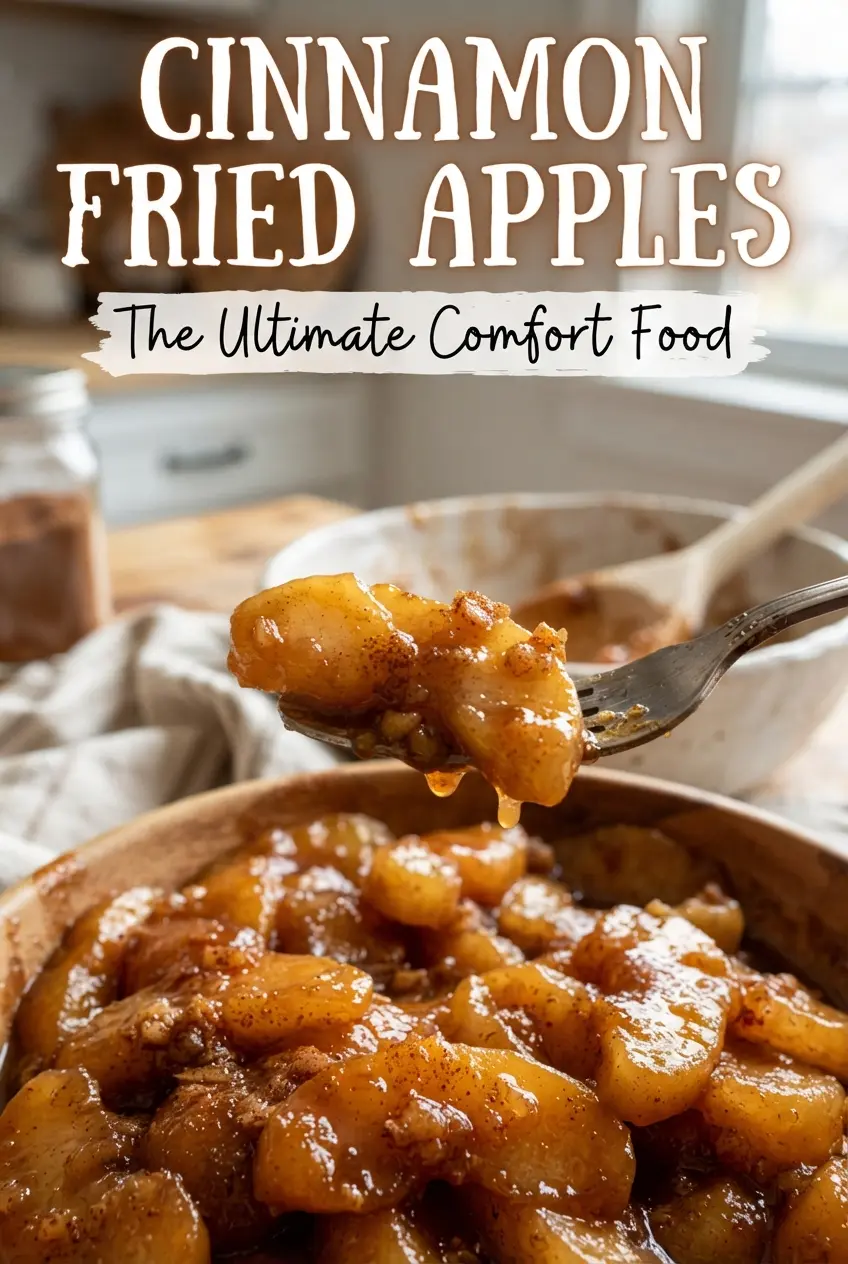
Cinnamon fried apples turn soft, glossy, and spoonable without falling apart. The apples keep enough structure to hold their shape, but the edges soak up butter, cinnamon, and brown sugar until every bite tastes like the best part of a warm cobbler filling. Served straight from the skillet, they work as a side dish, a topping, or an easy sweet finish for just about any meal.
The trick is choosing apples that can take a little heat without collapsing. Honeycrisp stays pleasantly juicy, while Granny Smith brings a sharper bite that keeps the syrup from tasting flat. The cornstarch slurry goes in at the end, after the apples have softened, so the sauce turns silky instead of gummy. A small splash of vanilla right off the heat rounds out the cinnamon and gives the pan sauce that finished, bakery-style smell.
Below, you’ll find the part that matters most: how to keep the apples tender instead of mushy, how to thicken the syrup without turning it pasty, and a few smart swaps for when you want to adjust the sweetness or serve these a different way.
The sauce thickened up perfectly and the apples stayed tender instead of turning mushy. I served them over vanilla ice cream and my husband asked for the same skillet again the next night.
Save these cinnamon fried apples for the skillet-sauced side dish that turns simple apples into a glossy, spoonable topping.
The Difference Between Tender Apples and Apples That Turn to Sauce
Most fried apple recipes fail for one simple reason: the heat is too aggressive, and the fruit gives up before the syrup has a chance to thicken. Covering the skillet for the first part of cooking traps steam, which softens the slices evenly without scorching the sugar on the bottom. Once the apples are just tender, the cornstarch slurry finishes the job and turns the juices into a glossy coating instead of a thin puddle.
The other mistake is cutting the apples too thin. Thin slices collapse before they ever get that soft bite you want. Aim for slices that are thick enough to hold a little shape after 8 to 10 minutes under the lid, and stir only occasionally so the pieces don’t break down in the pan.
What Each Ingredient Is Actually Doing in the Skillet
- Firm apples — Honeycrisp gives you sweetness and a juicy bite, while Granny Smith keeps the dish from tasting candy-sweet. Softer apples can work in a pinch, but they turn mushy fast and lose the clean slices that make this dish appealing.
- Butter — This is the base of the sauce and the reason the sugar tastes round instead of sharp. Margarine will work technically, but you lose that rich, clean finish.
- Brown sugar — Packed brown sugar melts into the apple juices and gives the syrup its caramel note. Granulated sugar makes the flavor flatter and the sauce less lush.
- Cinnamon and nutmeg — Cinnamon does most of the work, but the nutmeg keeps the flavor from tasting one-dimensional. Don’t overdo the nutmeg; a light hand gives warmth without turning the dish bitter.
- Cornstarch — This is what turns the cooking liquid into a spoonable glaze. Whisk it with cold water first so it disperses evenly; if you add it straight to the pan, you’ll get clumps.
- Vanilla — Stir it in at the very end so its aroma stays bright. If it cooks too long, it loses the soft finish that makes the syrup taste polished.
How to Keep the Apples Tender Before the Sauce Turns Glossy
Melting the Butter and Starting the Coating
Heat the butter over medium, not high, until it melts and begins to foam lightly. Add the apples, sugar, cinnamon, nutmeg, and salt right away so every slice gets coated before the juices start running. If the pan is too hot at this stage, the sugar can catch on the bottom before the apples soften.
Covering for the Tender Stage
Put a lid on the skillet and let the apples cook for 8 to 10 minutes, stirring once or twice. You want the slices to bend at the edges and turn translucent in spots, but they should still hold their shape. If you stir constantly, the apples break apart before the centers soften.
Thickening the Syrup Without Gumming It Up
Whisk the cornstarch with the water until it looks smooth and cloudy, then pour it into the skillet while stirring. Simmer for 2 to 3 minutes until the liquid goes from thin and watery to shiny and lightly clingy. If it turns pasty, the pan was too hot or the slurry cooked too long; pull it off the heat as soon as the sauce coats the back of a spoon.
Finishing with Vanilla
Take the skillet off the heat and stir in the vanilla. That last step keeps the flavor from flattening and gives the sauce a softer aroma. Serve the apples warm, while the glaze is still loose enough to spoon over biscuits, pork chops, pancakes, or ice cream.
Three Ways to Make These Fried Apples Fit the Meal You Have
Less Sweet, More Tart
Use all Granny Smith apples and reduce the brown sugar to 1/4 cup. The sauce will be a little sharper and less candy-like, which works well next to savory mains like pork or roasted chicken.
Dairy-Free Version
Swap the butter for a plant-based butter that melts cleanly in a skillet. Coconut oil can work, but it brings its own flavor and doesn’t give the same round, buttery finish.
Serving Them as Dessert
Keep the recipe as written and cook the sauce until it clings heavily to the apples. That thicker finish makes them work better over vanilla ice cream, pound cake, or waffles without turning the plate watery.
Storage and Reheating
- Refrigerator: Store in an airtight container for up to 4 days. The sauce will thicken as it chills, and the apples soften a little more.
- Freezer: Freezing works, but the texture gets softer after thawing, so it’s best for topping oats or pancakes rather than serving as neat slices.
- Reheating: Warm gently in a skillet over low heat with a splash of water if needed. High heat makes the sauce break down and can push the apples past tender into mushy.
Answers to the Questions Worth Asking
Cinnamon Fried Apples
Ingredients
Equipment
Method
- Melt butter in a large skillet over medium heat until fully melted and shimmering, about 1 minute. Keep the heat at medium so the butter doesn’t brown too quickly.
- Add apples, brown sugar, cinnamon, nutmeg, and salt, then stir to coat every slice in the spice-sugar mixture. Make sure the sugar looks evenly distributed on the apples.
- Cover and cook 8-10 minutes, stirring occasionally, until the apples are just tender. Look for slices that yield with a gentle press but still hold their shape.
- Whisk cornstarch with water until smooth, then pour into the skillet while stirring. Scrape the bottom so any dissolved sugar mixes into the thickening slurry.
- Simmer 2-3 minutes, stirring, until the sauce thickens and turns glossy. The coating should cling to the apples and look shiny when lifted with a spoon.
- Stir in vanilla, then serve warm immediately. The sauce should taste fragrant and stay spoonable rather than watery.