Classic potato salad with eggs lands on the table creamy, cool, and full of the kind of simple flavor that keeps people going back for one more scoop. The potatoes stay tender without turning mushy, the eggs add richness, and the dressing clings to every bite instead of sliding off into a puddle at the bottom of the bowl.
What makes this version work is the balance: russet potatoes soften enough to absorb the dressing, but they still hold their shape if you stop cooking them at the right moment. The mustard and vinegar cut through the mayo so the salad tastes bright, not heavy, and the chopped celery and onion bring just enough crunch to keep it from feeling soft all the way through.
Below, I’ll show you how to keep the potatoes from overcooking, when to fold the dressing in, and why the chilling time matters more than people think. There’s also a simple way to adjust the texture if you like your potato salad a little creamier or a little more substantial.
I followed the chilling time and the dressing soaked in instead of sliding off. The potatoes held their shape, and the eggs made it taste like the potato salad I remember from church picnics.
Love this creamy potato salad with eggs? Save it to Pinterest for picnics, cookouts, and the kind of make-ahead side that gets better after chilling.
The Real Trick Is Cooling the Potatoes Without Drying Them Out
The part that trips people up in potato salad is the texture of the potatoes themselves. If they’re undercooked, the salad tastes chalky. If they’re cooked too long, they collapse when you fold in the dressing and turn the whole bowl gluey. Russets work here because they break down a little at the edges and give the salad that soft, classic finish, but they still need to be drained as soon as they’re tender.
The other mistake is dressing hot potatoes and then walking away. They need enough time to release steam, but not so much that they dry out completely. Warm potatoes absorb the mayo mixture better than cold ones, which means the flavor settles in instead of sitting on top.
- Russet potatoes — These give you the traditional soft, creamy texture. Waxy potatoes hold their shape more firmly and make the salad feel firmer, which is fine if that’s what you like, but it won’t taste quite as classic.
- Vinegar — A small amount wakes up the dressing and keeps the mayo from tasting flat. White vinegar is clean and sharp, but apple cider vinegar works if you want a little more roundness.
- Mayonnaise — This is the base of the dressing, so use a brand you actually like on its own. If you swap in half sour cream, the salad gets tangier and lighter, but it won’t coat the potatoes as smoothly.
What Each Ingredient Is Actually Doing in This Potato Salad
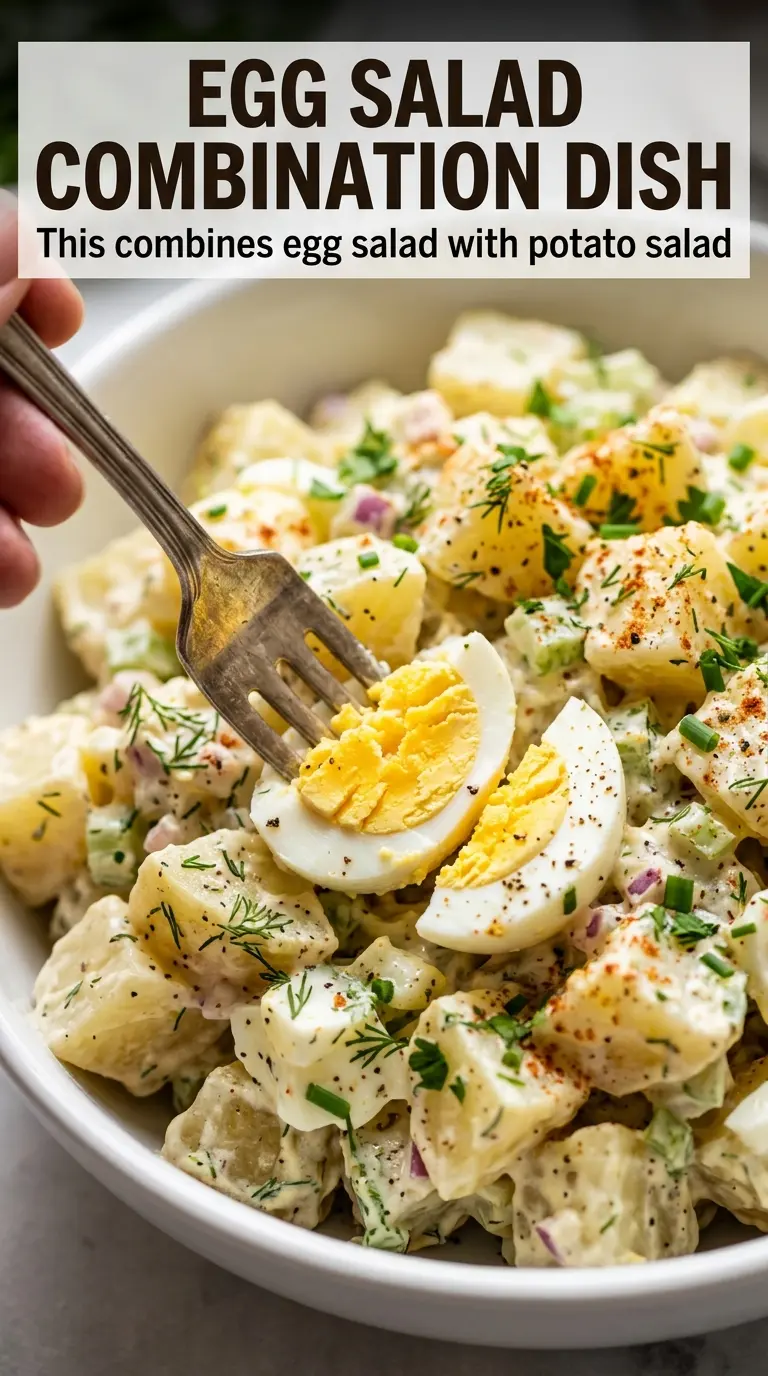
- Russet potatoes — These starchy potatoes help the dressing feel rich and creamy. Their natural softness means they break down just enough to absorb the dressing, giving the salad its signature fluffy, homey texture.
- Mayonnaise — This is the foundation of the dressing. A good full-fat mayo gives you a smooth, plush base that carries the seasoning and helps everything coat the potatoes evenly.
- Mustard and vinegar — Mustard adds bite and savory depth. Vinegar wakes up the whole bowl and keeps the dressing from tasting flat or one-dimensional after chilling.
- Sugar — Just a pinch rounds out the acidic flavors so they don’t feel sharp. It helps balance the mustard and vinegar without making the salad taste sweet.
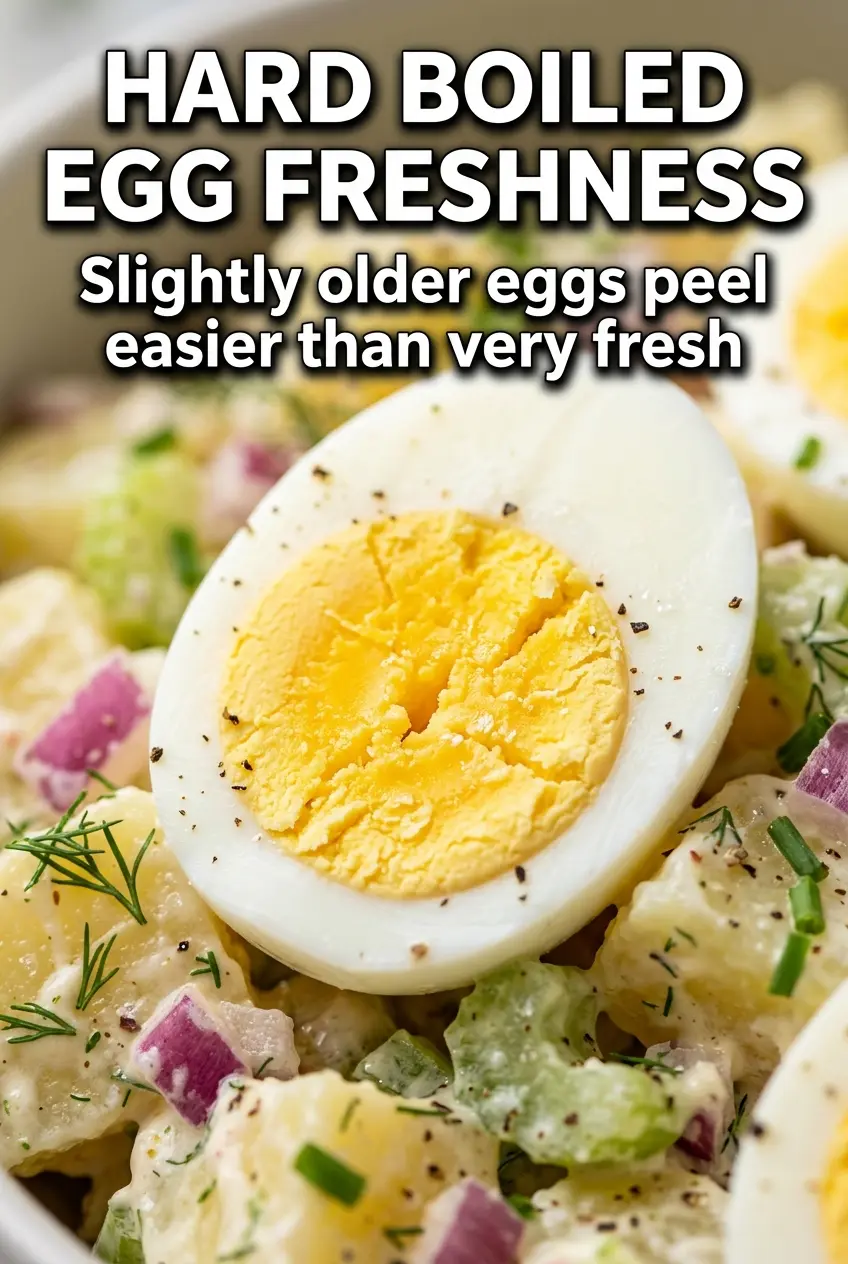
- Hard-boiled eggs — These add richness and a subtle depth that pairs well with the vinegar and mustard. Chopped into bite-sized pieces, they distribute through the salad for texture and creaminess.
- Celery — Fresh celery brings crunch and subtle vegetal sharpness that cuts through the richness. Diced fine, it blends in without making the salad feel overly crunchy.
- Onion — A little minced onion adds sharpness and wakes up the whole bowl. It should be raw and small enough that it’s barely noticeable as a distinct piece.
- Salt and pepper — These round out the seasoning. Cold food needs a little more salt than warm food, so taste the salad after it chills and adjust if needed.
What Each Bowl Stage Is Doing Before the Salad Hits the Fridge
Cooking the Potatoes Just to Tender
Start the potatoes in cold water so the outsides don’t overcook before the centers soften. Boil them until a fork slides in with little resistance, then stop right there; if they’re falling apart in the pot, they’ll break down even more when you fold in the dressing. Drain them well so extra water doesn’t thin the mayonnaise. Let them cool enough that they won’t melt the dressing, but not so long that they go completely cold before mixing.
Building the Dressing in a Separate Bowl
Stir the mayonnaise, mustard, vinegar, sugar, salt, and pepper together before they touch the potatoes. That gives you a smooth, even dressing instead of streaks of mustard and pockets of sugar. The mustard should look fully blended and the dressing should taste a little sharper than you want the finished salad to taste, because the potatoes will soften that edge as they sit.
Folding Without Crushing the Texture
Add the potatoes, eggs, celery, and onion to a large bowl, then pour the dressing over the top and fold gently with a spatula. If you stir hard, the potatoes will smear and the eggs will disappear into the dressing. A few chunks breaking up is fine; that’s what gives the salad its creamy, homey look. Refrigerate it for at least 2 hours so the dressing can settle into the potatoes and the whole bowl tastes like one dish instead of separate parts.
Finishing With Paprika
Sprinkle paprika over the top right before serving so it stays bright instead of soaking into the dressing. It’s not just for looks. That little dusting gives you a faint peppery note on the first bite and makes the bowl look finished without adding another ingredient to the mix.
How to Make This Potato Salad Work for Different Tables
Dairy-Free as Written
This recipe is naturally dairy-free as long as your mayonnaise is dairy-free, which most standard brands are. Check the label if you’re cooking for someone with an allergy, and you’ll still get the same creamy, classic texture without changing the method.
A Tangier Potato Salad
Add another teaspoon of vinegar and swap part of the mayo for sour cream if you want more bite. The salad will taste brighter and a little less rich, which works well when it’s serving alongside grilled meats or heavier picnic food.
Extra Crunch Without Changing the Base
Keep the celery, then add a little more finely diced onion if you want a sharper bite. The key is keeping the pieces small enough that they don’t take over every forkful. Big chunks throw off the balance and make the salad feel chopped, not creamy.
How to Stretch It for a Crowd
You can double the recipe cleanly, but mix the dressing in a separate bowl before combining it with the potatoes. That keeps the seasoning even through a larger batch. If the salad sits for several hours, reserve a spoonful or two of dressing to stir in just before serving if it starts to look dry.
Storage and Reheating
- Refrigerator: Store covered for up to 4 days. The salad gets a little denser as it chills, which is normal.
- Freezer: Don’t freeze it. Mayo-based potato salad separates and turns watery after thawing.
- Reheating: Serve this cold or slightly cool. If it sits out for a while, stir it once and add a small spoonful of mayo to bring back the creamy texture instead of trying to warm it.
Questions I Get Asked About This Recipe
Classic Potato Salad with Eggs
Ingredients
Equipment
Method
- Bring a pot of salted water to a boil, add the peeled russet potato cubes, and boil until tender, about 15 minutes. You should be able to pierce pieces easily with a fork.
- Drain the potatoes and spread them on a sheet pan to cool. Let them cool fully before mixing to prevent the dressing from turning runny.
- In a large bowl, combine the cooled potatoes, chopped hard-boiled eggs, diced celery, and finely diced onion. Toss just until everything is evenly distributed.
- In a bowl, mix mayonnaise, yellow mustard, white vinegar, sugar, salt, and pepper until smooth. Taste and adjust with more salt and pepper if needed.
- Pour the dressing over the potato mixture and fold gently until the potatoes and eggs are coated. Fold slowly to keep egg pieces intact and prevent mushy potatoes.
- Refrigerate the potato salad for at least 2 hours. This chilling time helps the flavors meld and the dressing thicken.
- Before serving, garnish the top with paprika for color. Serve cold or slightly chilled for the best texture.