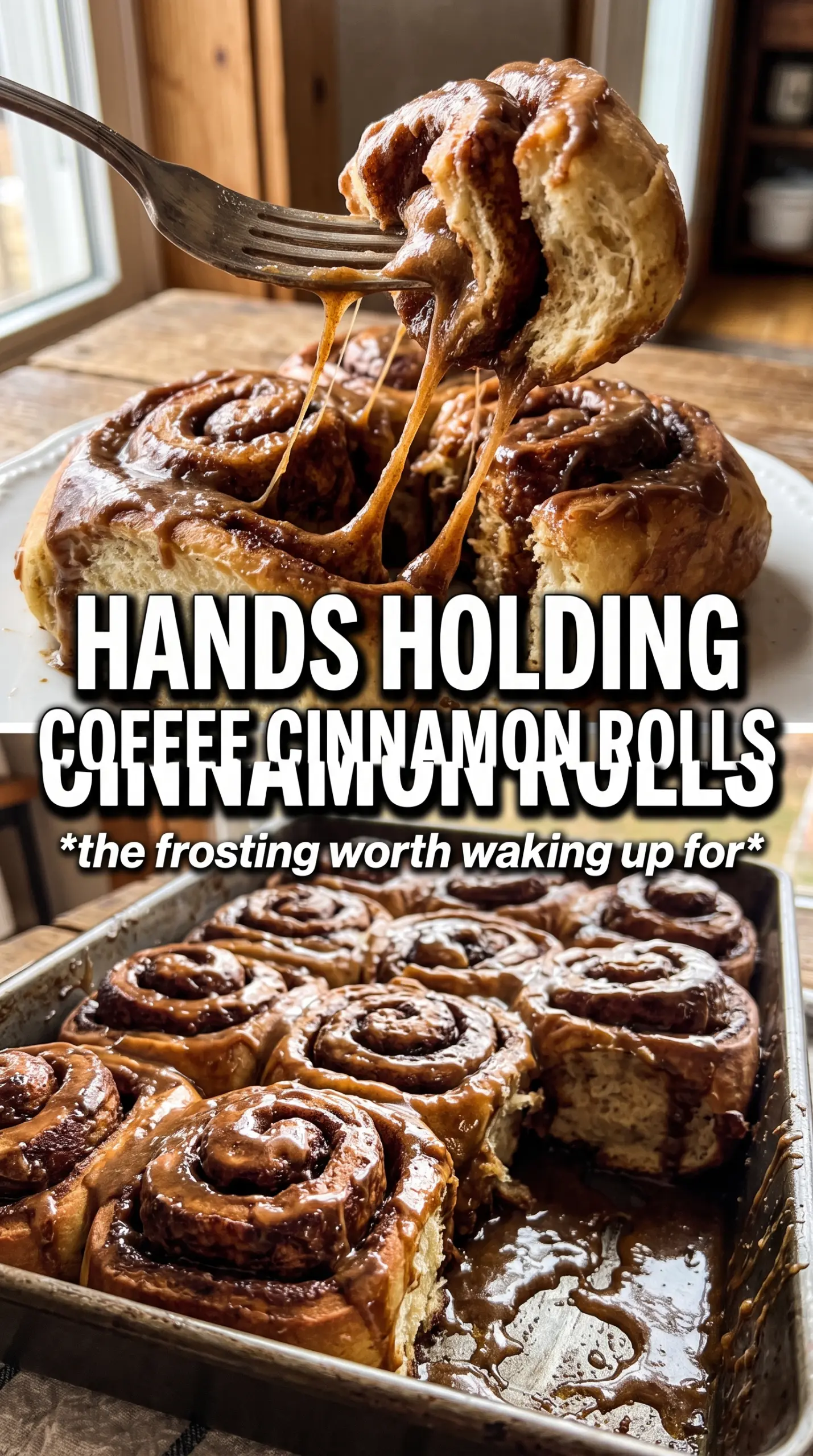
Soft, tall coffee cinnamon rolls pull apart in tender spirals with a deep espresso note baked right into the dough. The glaze melts into the warm layers and leaves each bite tasting like a cinnamon roll that spent a little extra time being interesting. They’re sweet, but not one-note, with just enough coffee to sharpen the brown sugar filling and keep the whole pan from tasting flat.
The trick is using strong coffee in more than one place: the dough, the filling, and the glaze. That layered approach gives you a noticeable coffee flavor without making the rolls bitter. Espresso powder helps too, because it dissolves cleanly and reads as coffee instead of watery brew. The dough still rises beautifully as long as the coffee is warm, not hot, and the butter isn’t scorching the yeast before it gets going.
Below, I’ve laid out the points that matter most: how to keep the dough tender, how to get a clean spiral, and how to glaze the rolls so the topping melts into the ridges instead of sitting in a sugary puddle.
The coffee flavor came through in the dough without making the rolls bitter, and the glaze soaked into every swirl instead of sliding off. My kitchen smelled like a bakery for hours.
Save these coffee cinnamon rolls for the mornings when you want soft spirals, espresso glaze, and a bakery-style pan from your own oven.
The Coffee Flavor Needs to Be Built in Layers
The mistake with coffee rolls is trying to force all the flavor into one place. If the dough is weak, the filling is plain, or the glaze is just sweet, the coffee gets lost as soon as the rolls bake. This version works because each layer carries part of the job: the dough brings a subtle base note, the filling turns that into a darker swirl, and the glaze finishes with the cleanest coffee hit.
That’s also why espresso powder matters here. It gives you concentrated flavor without adding extra liquid, which keeps the dough balanced and the filling from turning loose. Warm coffee activates the yeast without killing it, but hot coffee will set you back fast, and if the dough feels sticky at first, the fix is patience during kneading, not dumping in flour by the handful.
What Each Ingredient Is Actually Doing in This Dough
- Strong coffee — This is the backbone of the dough and the glaze. Brew it strong enough that it still tastes like coffee after the sugar and dairy go in. Lukewarm is the target; if it’s hot, it can slow or damage the yeast.
- Espresso powder — This gives the rolls their clear coffee flavor without thinning anything out. Instant coffee can work in a pinch, but it usually tastes flatter and less intense. If you only have instant espresso granules, crush them finer before mixing so they dissolve.
- Butter — Melted butter enriches the dough and keeps the crumb soft. Softened butter in the filling is nonnegotiable, though, because it helps the sugar-cinnamon mixture smear evenly instead of tearing the dough.
- Brown sugar — Brown sugar melts into a sticky layer that helps the rolls stay gooey in the center. Dark brown sugar makes the filling deeper and more molasses-heavy; light brown sugar keeps it a little cleaner and more balanced.
- Cream cheese — The glaze needs the tang of cream cheese to keep it from tasting like straight icing. Full-fat cream cheese gives the smoothest finish, but block-style low-fat cream cheese can work if it’s fully softened first.
Getting the Dough, Spiral, and Glaze to Behave
Activating the Yeast in Coffee
Stir the yeast into the warm coffee with the sugar and let it sit long enough to look foamy on top. That foam tells you the yeast is alive and the coffee isn’t too hot. If nothing happens after a few minutes, the coffee was probably too hot or the yeast was old, and it’s better to start over than hope for a rise later.
Kneading Until the Dough Turns Smooth
Add the flour, espresso powder, and salt, then knead until the dough is soft and elastic, about 8 minutes. It should feel tacky at first, then become smoother as the gluten develops. If you stop too early, the rolls bake up dense and uneven; if you add too much flour to chase stickiness, they get dry. The dough should still yield slightly when you press it, not feel stiff.
Rolling and Filling Without Tearing the Layers
Roll the dough into an even rectangle and spread the softened butter all the way to the edges. Sprinkle the brown sugar, cinnamon, and espresso powder in an even layer, then roll tightly from the long side so the swirl stays defined. A loose roll gives you gaps and leaking filling, while an overstuffed one can split at the seam in the oven.
Baking Until the Centers Are Set
Arrange the cut rolls in a greased baking dish and let them rise until puffy and touching. Bake at 375°F until the tops are golden and the center rolls are cooked through, about 22 to 25 minutes. If the tops brown too fast, tent them lightly with foil for the last few minutes. The middle should look set, not wet, and the rolls should pull apart without a gummy layer in the center.
Glazing While the Rolls Are Warm
Beat the cream cheese, powdered sugar, coffee, and vanilla until smooth, then drizzle it over the rolls while they’re still warm. Warm rolls catch the glaze and let it sink into the folds instead of sitting on top. If the glaze seems too thick, loosen it with a teaspoon of coffee at a time; if it’s too thin, add a little more powdered sugar until it clings.
How to Adapt These Coffee Cinnamon Rolls Without Losing the Point
Make them dairy-free
Use plant-based butter in both the dough and filling, and swap in a dairy-free cream cheese for the glaze. The texture still works, but the glaze will be a little softer and less tangy, so taste it before adding all the coffee.
Go stronger on the coffee
If you want a bolder coffee finish, replace part of the glaze coffee with a concentrated shot of espresso and dust the top with a little more espresso powder. Don’t push the liquid too far or the glaze gets thin and slides off the rolls.
Use instant yeast for a faster rise
Instant yeast can replace active dry yeast here, and you can mix it straight into the flour instead of blooming it first. The rise usually moves a little faster, so watch the dough instead of the clock and stop when it’s visibly puffy.
Refrigerate the shaped rolls overnight
After cutting and arranging the rolls in the pan, cover them tightly and refrigerate instead of doing the final rise at room temperature. In the morning, let them sit out until puffy before baking. This makes them easier to serve fresh without starting the whole process at sunrise.
Storage and Reheating
- Refrigerator: Store covered for up to 4 days. The glaze will absorb into the rolls a bit, which is normal.
- Freezer: Freeze the baked rolls without glaze for up to 2 months. Wrap them tightly and thaw overnight in the fridge before warming.
- Reheating: Warm individual rolls in the microwave in short bursts or cover the pan with foil and reheat in a low oven. The common mistake is overheating, which dries out the crumb and turns the glaze greasy.
Answers to the Questions Worth Asking
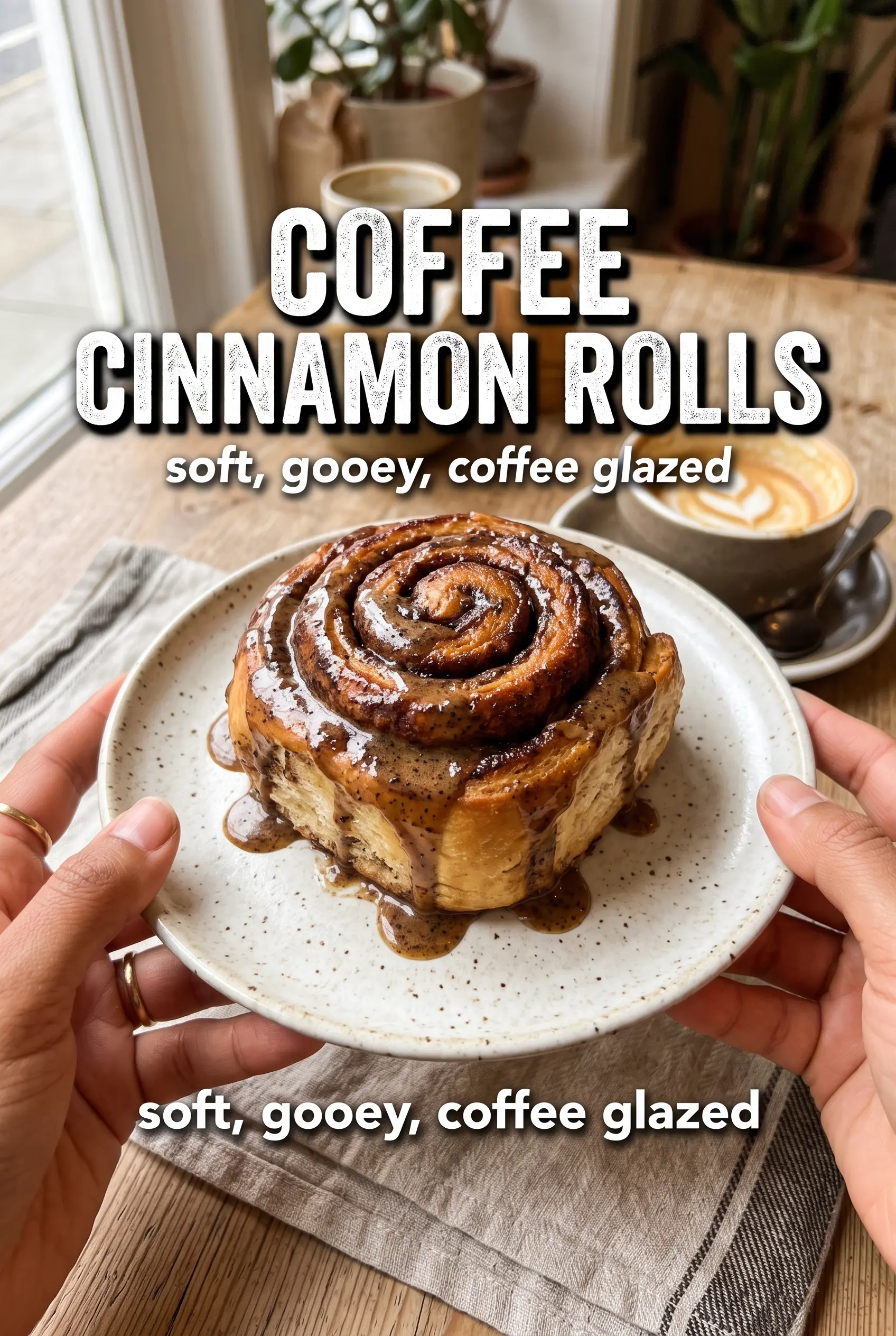
Coffee Cinnamon Rolls
Ingredients
Equipment
Method
- In a bowl, combine warm strong coffee with yeast and sugar, then add melted butter, eggs, and vanilla. Stir until the mixture looks smooth and slightly foamy.
- Knead in flour, espresso powder, and salt for 8 minutes. The dough should become elastic and spring back when pressed.
- Cover the dough and let it rise for 1 hour. It should nearly double in size before shaping.
- Roll the dough out on a lightly floured surface and spread softened butter over the surface. Leave a thin, even layer so the filling stays put.
- Sprinkle brown sugar, cinnamon, and espresso powder over the buttered dough. Cover evenly so every roll has a coffee-cinnamon center.
- Roll the dough into a tight log, then cut 12 rolls. Arrange cut-side up on a sheet pan.
- Cover and let the rolls rise for 45 minutes. They should look puffed and slightly increased in height.
- Bake the rolls at 375°F for 22 to 25 minutes. Pull them when the tops are golden and the centers feel set.
- In a bowl, beat cream cheese with powdered sugar, strong coffee, and vanilla until smooth. Drizzle the glaze over warm rolls and dust with espresso powder.


