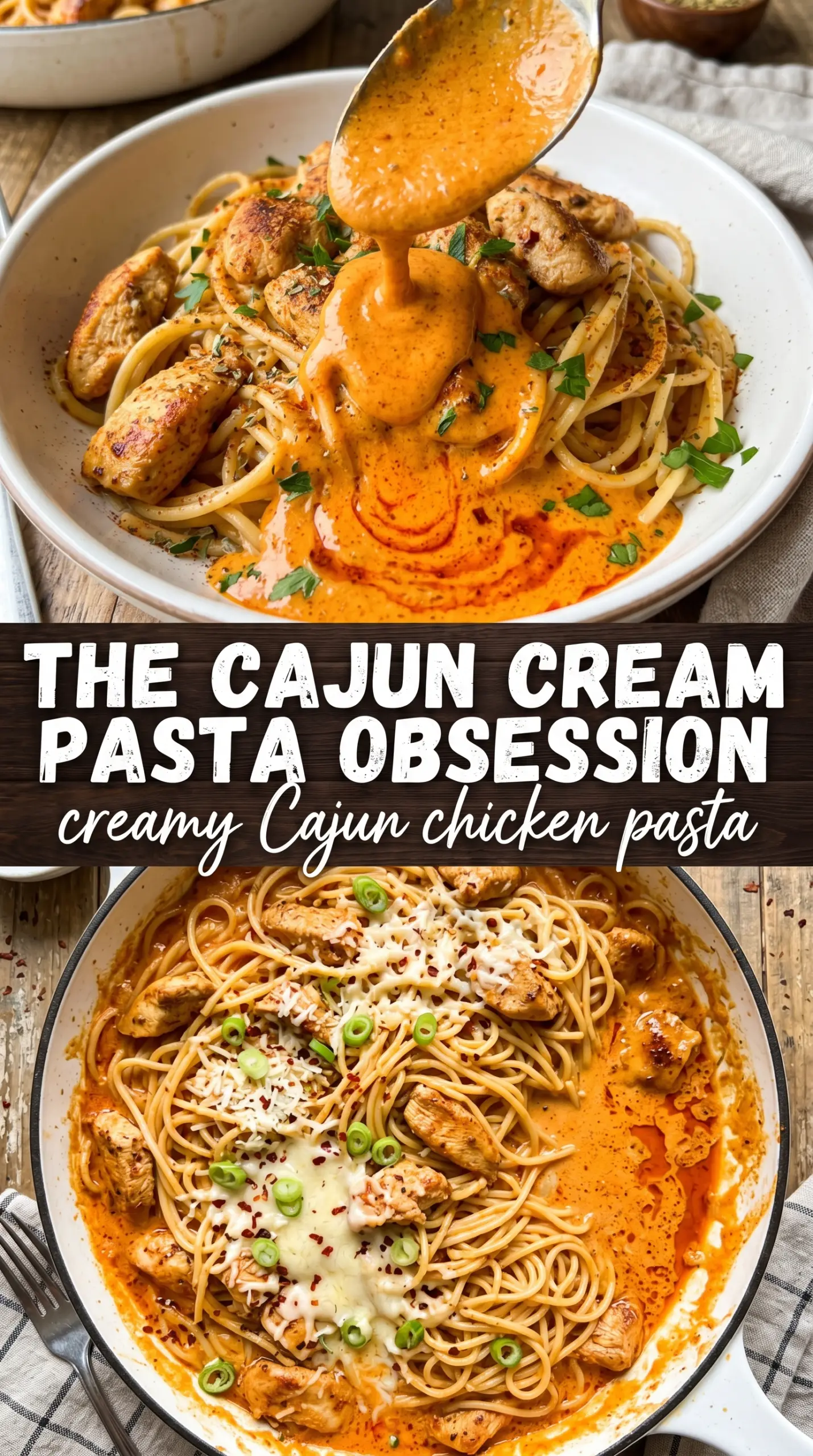
Penne coated in a rusty-red Cajun cream sauce has a way of disappearing fast, especially when the chicken is seared hard enough to bring real heat and the peppers still keep a little bite. This version lands in that sweet spot between cozy and bold: rich without feeling heavy, spicy without burying the garlic and parmesan, and glossy enough to cling to every ridge of the pasta.
The key is building flavor in layers instead of dumping everything into one pan and hoping it comes together. The chicken gets its own seasoning and a deep sear first, which leaves browned bits behind for the sauce. Then the peppers soften just enough to sweeten the dish, while the cream and broth simmer long enough to thicken before the parmesan goes in. That order matters. It keeps the sauce smooth and gives the pasta something silky to grab onto instead of pooling at the bottom of the skillet.
Below you’ll find the small details that make this pasta work on a weeknight, including the one cue that tells you the sauce is ready for cheese and the best way to keep the chicken juicy after it goes back into the pan.
The sauce thickened up beautifully, and the chicken stayed juicy even after going back into the skillet. I used penne like suggested and every piece held onto that Cajun cream sauce.
Creamy Cajun Chicken Pasta with blackened chicken, glossy sauce, and peppers that still have a little snap
The Sauce Breaks When You Rush the Dairy
This pasta only works when the cream is given time to simmer before the cheese goes in. If you add parmesan too early, or crank the heat once the cream is in the pan, the sauce can turn grainy instead of smooth. Low simmer is the goal. You want the liquid to reduce just enough that it lightly coats a spoon before you add the cheese and pasta.
The chicken also matters here because the skillet does double duty. Those browned bits left behind after searing are the base of the sauce, so don’t scrub the pan clean. If the chicken is crowded, it steams instead of blackening, and you lose the savory edge that makes Cajun pasta taste like Cajun pasta.
- Cajun seasoning — This does most of the heavy lifting, so use one you actually like on its own. Some blends are saltier than others, which is why the recipe keeps salt separate until the end. If yours is very mild, add a little extra to the sauce in small pinches.
- Heavy cream — This gives the sauce its body and protects it from breaking during the simmer. Half-and-half won’t thicken the same way and can leave the sauce thinner than you want. If you need a lighter version, use it, but expect a looser finish.
- Parmesan — Freshly grated parmesan melts smoothly and helps the sauce cling to the pasta. Pre-shredded cheese often contains anti-caking starches that can make the sauce slightly sandy. Grate it yourself if you can.
- Penne — The ridges and tube shape catch the sauce better than long noodles here. If you swap the shape, use something with grooves or curves so the cream sauce doesn’t slide off.
- Bell peppers — They add sweetness and a little crunch, which keeps the dish from feeling one-note. Slice them thin so they soften quickly without disappearing into the sauce.
What Each Ingredient Is Actually Doing in This Recipe
- Primary ingredient (the star) — Quality matters most. Choose the best you can find.
- Cooking medium (oil, butter, or broth) — This carries flavors and prevents dryness.
- Seasonings (salt, pepper, spices, herbs) — Layer flavors so nothing overpowers. Build depth gradually.
- Aromatics (garlic, onion, herbs) — Cook with fat to bloom flavors. Become the foundation.
- Supporting ingredients — Complement the main ingredient without overpowering it.
- Sauce or liquid (if applicable) — Brings flavors together. Balance richness with acid.
- Acid (lemon, vinegar, wine, or other) — Brightens and prevents flat-tasting results.
- Final finish (garnish, glaze, or sauce) — Prevents one-dimensional taste and adds visual appeal.
Building the Cajun Cream Sauce in the Right Order
Cooking the Pasta First
Start the pasta in well-salted water and stop it when it’s still a little firm in the center. It finishes in the sauce, and that last minute or two is what helps it absorb flavor instead of tasting like plain boiled pasta. Reserve some pasta water before draining. That starchy water is the easiest way to loosen the sauce later without making it watery.
Blackening the Chicken
Toss the chicken with one tablespoon of Cajun seasoning, then sear it in hot oil until the outside is deeply browned and the strips are cooked through. If the pan isn’t hot enough, the chicken will pale and release liquid instead of crusting. Work in batches if you need to. The goal is color and flavor, not speed.
Softening the Peppers and Starting the Sauce
Use the same skillet for the butter, peppers, garlic, and remaining seasoning. The peppers should soften and pick up a little color around the edges, and the garlic should smell fragrant within a minute. If the garlic starts browning fast, pull the pan back from the heat. Burnt garlic will take over the whole sauce.
Finishing with Cream, Cheese, and Pasta
Pour in the broth and cream, then simmer until the mixture thickens slightly and looks glossy. Stir in the parmesan off a little heat so it melts instead of clumping. Add the pasta and chicken back in, then use a splash of reserved pasta water only if the sauce needs to loosen. It should coat the noodles, not flood them.
What to Change When You Need a Different Kind of Cajun Pasta
Make it dairy-free without losing the creamy finish
Use full-fat canned coconut milk instead of heavy cream and skip the parmesan, then add an extra pinch of Cajun seasoning and a small splash of pasta water to help the sauce cling. The flavor shifts a little richer and less sharp, but it still eats like a creamy Cajun pasta instead of a coconut dish.
Swap the chicken for shrimp
Shrimp works well here, but it cooks much faster, so sear it just until pink and opaque, then pull it out right away. Add it back at the very end so it stays tender. You get a brinier, slightly lighter pasta with the same spicy cream sauce.
Use gluten-free pasta without changing the sauce
Gluten-free penne works fine as long as you cook it just to the firm side of al dente and reserve some pasta water. Some brands break down faster in the sauce, so toss gently and serve right away for the best texture.
Turn up the heat or keep it mild
For more spice, add a pinch of cayenne with the garlic and seasoning. For a milder version, use a gentler Cajun blend and start with less than the recipe calls for, then taste the sauce before the pasta goes in. The cream softens the heat, but it doesn’t erase it.
Storage and Reheating
- Refrigerator: Store leftovers in an airtight container for up to 3 days. The sauce thickens as it chills, so it may look tighter the next day.
- Freezer: This pasta freezes, but the cream sauce can separate a bit after thawing. If you do freeze it, cool it completely first and rewarm it gently, knowing the texture won’t be quite as silky as fresh.
- Reheating: Warm it in a skillet over low heat with a splash of broth, milk, or water. High heat is the fastest way to split the sauce and dry out the chicken.
Questions I Get Asked About This Recipe
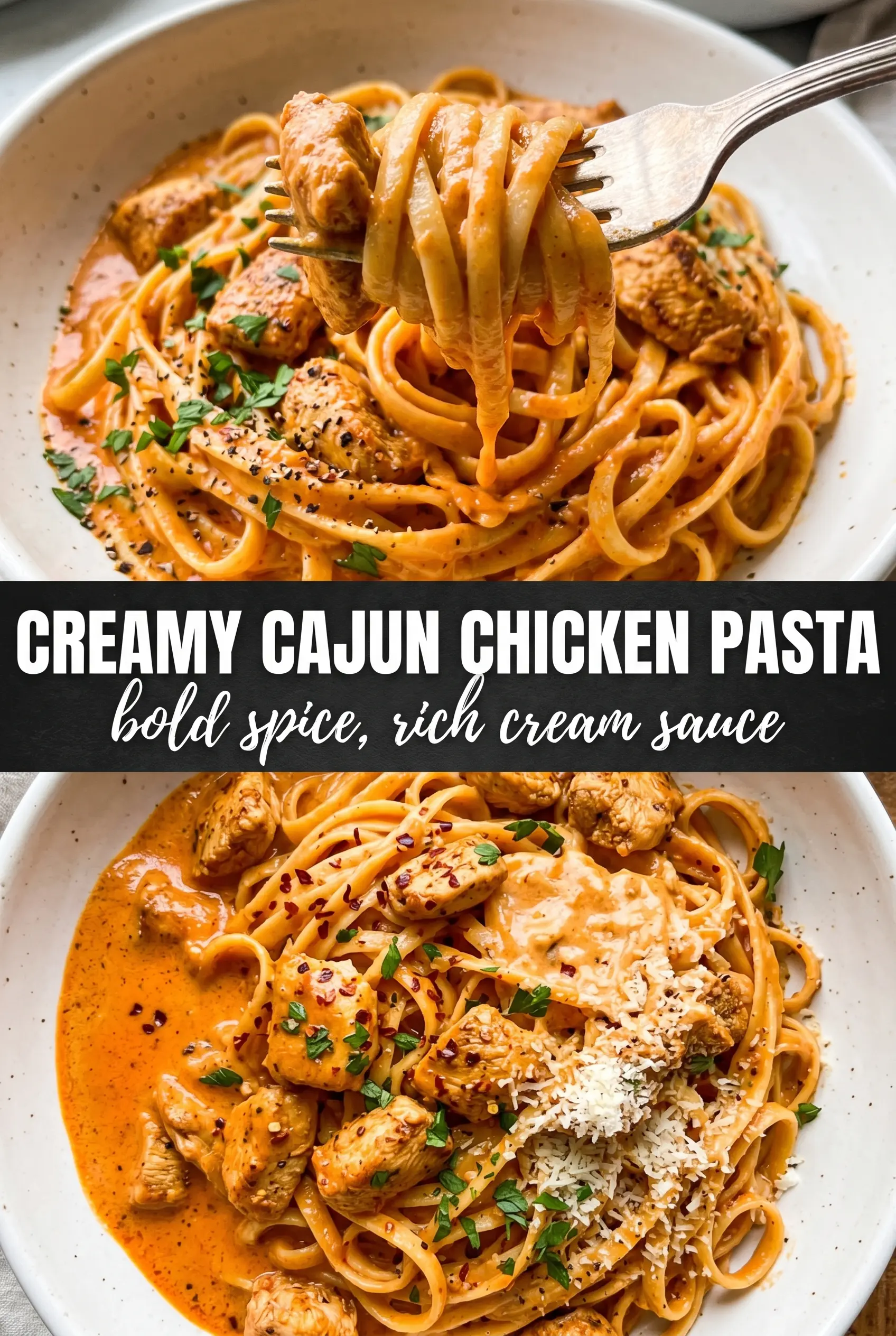
Creamy Cajun Chicken Pasta
Ingredients
Equipment
Method
- Bring a large pot of salted water to a rolling boil, then cook the penne until al dente, about the package time. Before draining, reserve 1/2 cup pasta water for the sauce.
- Toss the chicken strips with 1 tablespoon Cajun seasoning to coat evenly. Heat the olive oil in a large skillet over high heat, then sear the chicken for 4–5 minutes until deeply blackened and cooked, and set aside.
- Melt the butter in the same skillet, then sauté the bell peppers for 3–4 minutes until they start to char. Add the garlic and the remaining Cajun seasoning, and cook for 1 minute until fragrant.
- Pour in the chicken broth and heavy cream, then simmer for 4–5 minutes until slightly thickened. Stir in the parmesan until melted and smooth.
- Add the drained penne and the reserved chicken to the skillet, then toss until the pasta is coated in the rusty-red Cajun cream sauce. Add pasta water as needed to loosen the sauce and help it cling.
- Serve immediately, topped with fresh parsley for a bright green finish.