Crispy roasted potatoes give this salad the kind of contrast that keeps people coming back for another scoop: crackly edges, creamy centers, and a gochujang dressing that clings instead of sliding off. It lands in that sweet spot between side dish and snack, with enough heat, tang, and sesame richness to wake up anything else on the plate.
The key is roasting the potatoes hard enough to build real color before they ever meet the dressing. Then they need a full cool-down so the mayo-based sauce stays glossy and the potatoes keep their shape instead of turning soft and greasy. Gochujang brings depth and spice, while honey and rice vinegar keep the dressing balanced instead of one-note hot.
Below, I’ve laid out the one step that keeps the potatoes crispy, the ingredient swap that matters most if you want more heat or less richness, and a few smart variations for different diets and serving styles.
The potatoes stayed crisp on the edges even after tossing with the dressing, and the gochujang sauce had just enough tang to keep it from tasting heavy. I served it at room temperature with grilled chicken and everyone went back for seconds.
Love the crispy potatoes and spicy-sweet gochujang dressing? Save this Korean fusion potato salad for the next cookout or weeknight dinner.
The Trick Is Letting the Potatoes Cool Before They Meet the Dressing
Most potato salads go soft for one of two reasons: the potatoes were boiled until they fell apart, or they were dressed while still steaming hot. This version avoids both problems by roasting the potatoes until the exteriors are deeply browned, then cooling them long enough that the starches settle and the dressing can coat instead of melt into them.
That cooling time matters. It also gives you a better texture contrast, because the potatoes keep a firmer bite and the gochujang mayo stays thick and glossy. If you toss everything together while the potatoes are hot, the dressing thins out, the sesame seeds get lost, and the whole salad turns more sauce than salad.
- Baby potatoes — Smaller potatoes roast faster and give you more crisp edges per bite. Halve them so the cut sides can caramelize against the pan.
- Gochujang — This is the flavor engine. It brings heat, funk, and a little sweetness that you can’t get from plain hot sauce.
- Mayonnaise — It softens the paste and helps the dressing cling to the potatoes. Greek yogurt can lighten it up, but the sauce will be less silky and a little sharper.
- Rice vinegar and honey — These keep the dressing balanced. Vinegar cuts the richness; honey rounds out the spice and helps the glaze feel cohesive.
- Sesame oil — Use it sparingly. A little goes a long way, and too much will flatten the other flavors instead of supporting them.
What Each Ingredient Is Doing in the Bowl
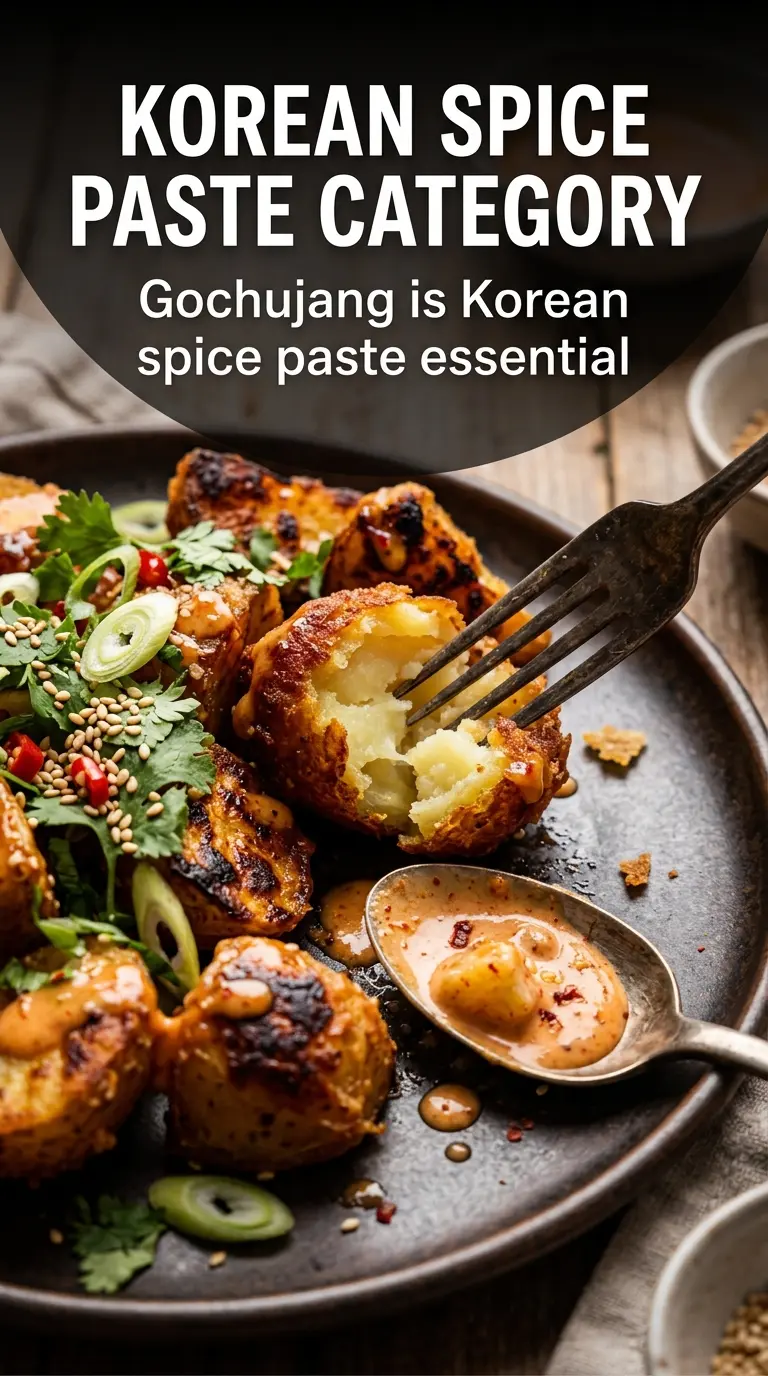
- Baby potatoes — They hold their shape better than starchy russets and give you the creamy-inside, crisp-outside texture this salad needs. If you only have Yukon Golds, use them and cut them into even chunks.
- Mayonnaise — This is what turns the sauce from a thin glaze into something that actually coats. If you want a lighter result, swap in half Greek yogurt, but add it off the heat so it stays smooth.
- Gochujang — Different brands vary a lot in heat and sweetness, so taste yours before adding more honey. A milder tub gives you room to build, while a spicier one needs less.
- Sesame seeds and green onions — These finish the dish with crunch and freshness. Add them at the end so they stay bright and don’t disappear into the dressing.
Roast, Cool, Then Toss for the Right Texture
Getting the Potatoes Truly Crispy
Heat the oven to 425°F and spread the potatoes out in a single layer with space around them. If they’re crowded, they steam instead of browning, and you lose the texture that makes this salad worth making. Roast until the cut sides are deep golden and the edges look blistered and crisp, then let them sit undisturbed so the crust sets.
Mixing the Dressing Without Breaking It
Stir the gochujang, mayonnaise, rice vinegar, honey, and sesame oil together until the dressing is smooth and glossy. If the mayo looks streaky, keep mixing until the paste fully dissolves into it. The dressing should be thick enough to cling to a spoon; if it seems too sharp, add a little more honey, not more mayo.
Bringing It All Together
Let the potatoes cool for about 30 minutes before tossing them with the dressing. They should still be slightly warm, not hot enough to steam, so the sauce coats evenly without thinning out. Fold in the sesame seeds and green onions at the end, then serve the salad at room temperature for the best balance of crisp edges and creamy dressing.
How to Adapt This for More Heat, Less Richness, or a Bigger Crowd
Make it dairy-free without losing the creamy coating
This salad is already close to dairy-free; just check that your mayonnaise fits your needs. The texture stays the same, because the creaminess comes from the mayo and not from any dairy ingredient. If you use a vegan mayo, the dressing will still cling well and the flavor stays balanced.
Make it spicier without overwhelming the potatoes
Add another teaspoon of gochujang and reduce the honey slightly so the heat stays clean instead of sticky-sweet. If you want a sharper kick, sprinkle in a pinch of Korean red pepper flakes at the end. That keeps the dressing smooth while still giving the salad more bite.
Swap the potatoes for sweet potatoes
Sweet potatoes give you a softer center and more natural sweetness, so the dressing tastes a little rounder and less sharp. Roast them a few minutes less than baby potatoes because they brown faster and can go mushy if you wait for hard edges. The result is still good, just less crisp and more caramelized.
Storage and Reheating
- Refrigerator: Keep leftovers in an airtight container for up to 3 days. The potatoes soften a bit as they sit, but the flavor stays strong.
- Freezer: I don’t recommend freezing this salad. The mayo-based dressing separates after thawing and the potatoes lose their texture.
- Reheating: Serve leftovers cold or let them come back to room temperature. If you want to refresh the potatoes, spread them on a sheet pan and warm them briefly in a 375°F oven before adding the dressing, but don’t microwave the dressed salad or the texture turns gummy.
Answers to the Questions Worth Asking
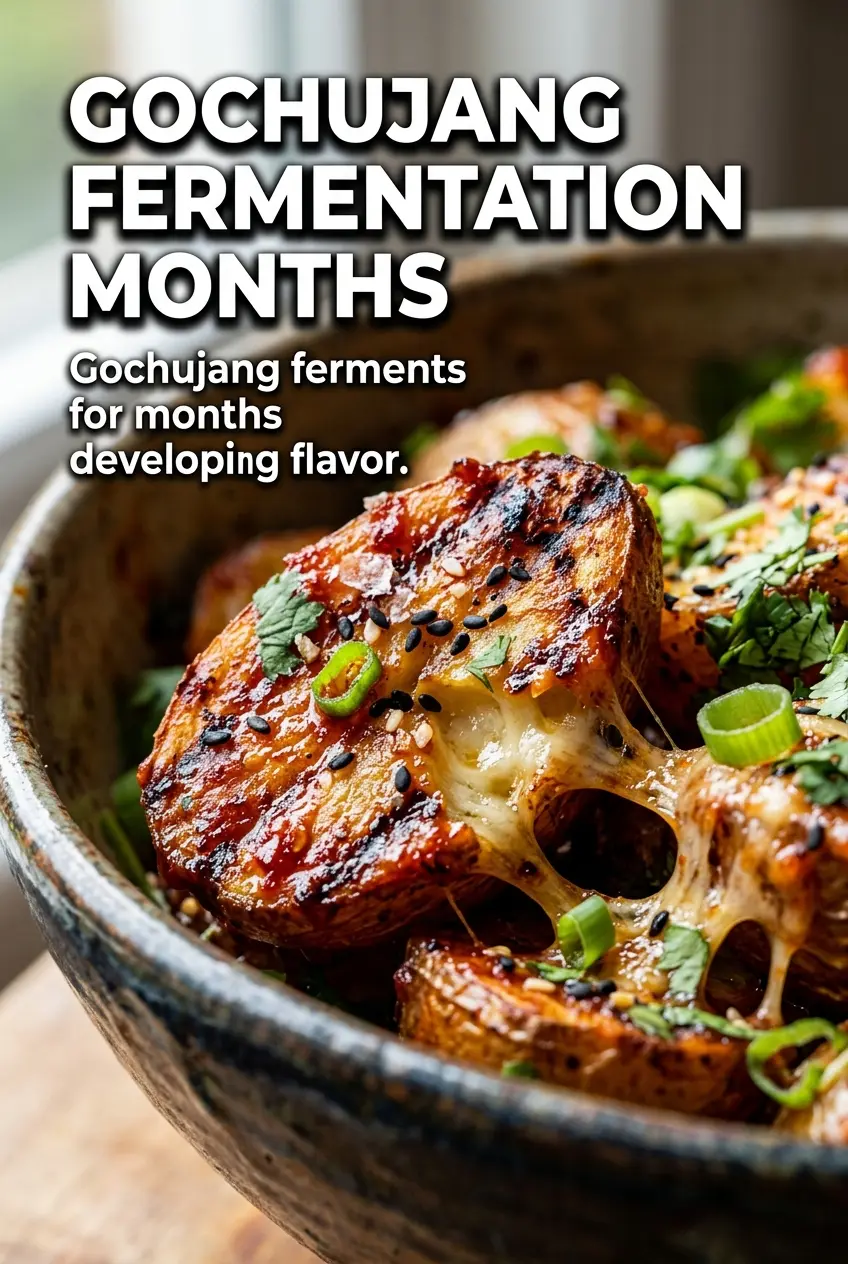
Crispy Gochujang Potato Salad
Ingredients
Equipment
Method
- Preheat oven to 425°F and place a sheet pan in the oven to preheat for 5 minutes for better crisping.
- Toss halved baby potatoes with olive oil, salt, and pepper until evenly coated.
- Spread potatoes on the hot sheet pan in a single layer and roast for 30-35 minutes, flipping once halfway, until golden and crispy.
- Let the roasted potatoes cool for 30 minutes so they stay crisp and don’t melt the dressing.
- In a bowl, mix gochujang, mayonnaise, rice vinegar, honey, and sesame oil until smooth and glossy.
- Toss the cooled potatoes with the gochujang dressing until every piece looks glazed.
- Top with sesame seeds and sliced green onions for a nutty crunch and fresh bite.
- Serve at room temperature so the crispy edges remain intact.