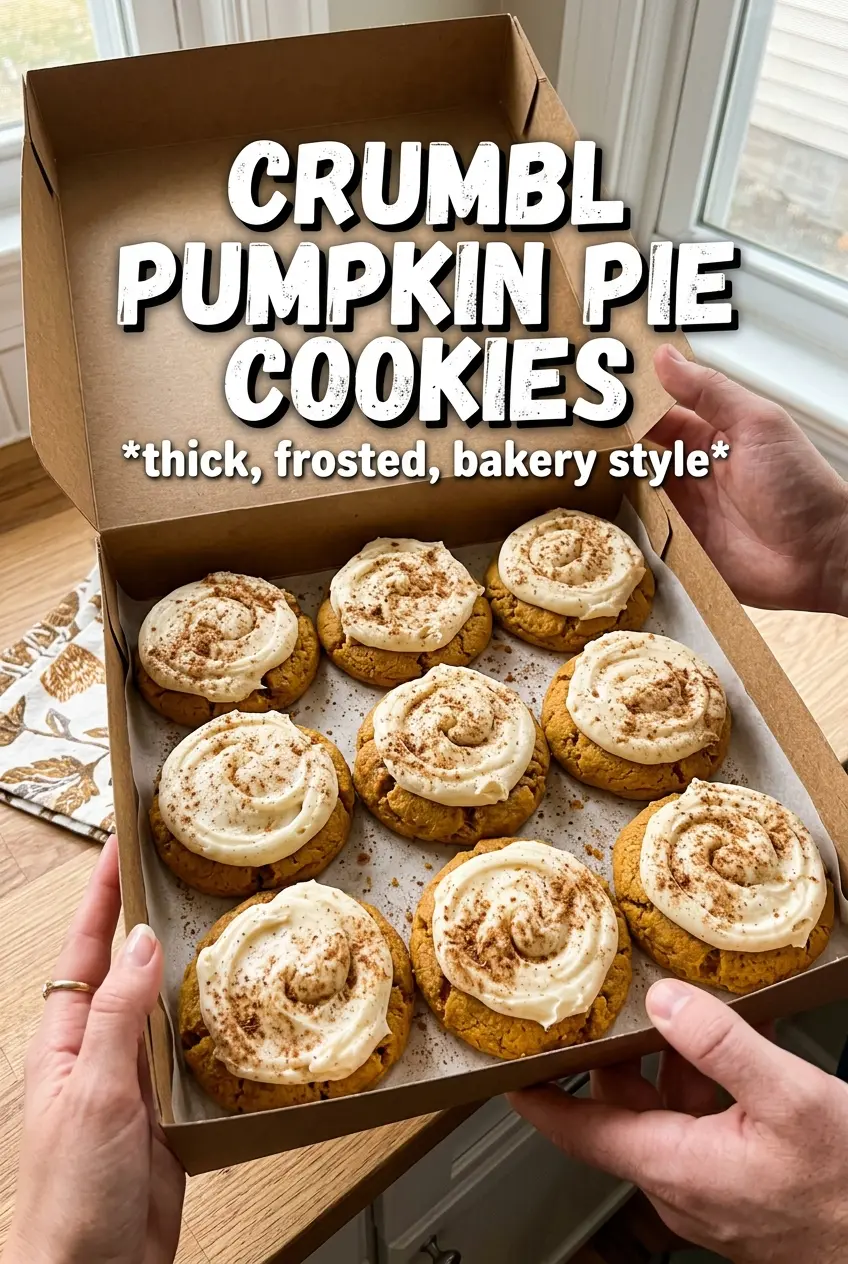
Crumbl Pumpkin Pie Cookies hit that sweet spot between a bakery-sized sugar cookie and a pumpkin pie moment. The base bakes up thick and soft with just enough structure to hold a generous swirl of cream cheese frosting, and the cinnamon on top gives each bite that familiar pie-spice finish without turning the whole cookie cakey. They look impressive on a platter, but the texture is what keeps people reaching for a second one.
The part that makes this version work is the pumpkin puree handling. Pumpkin carries a lot of water, and if it goes in straight from the can, the dough turns slack and the cookies spread too much. Blotting it dry first keeps the centers soft instead of wet, and it lets the butter and sugars cream properly. I also like baking these just until the edges are set and the middles still look underdone; that’s what gives you a thick cookie that stays tender after cooling.
Below, I’m walking through the one step that keeps the dough from puffing oddly, the frosting ratio that pipes cleanly, and a few swaps if you need to work with what’s in your kitchen.
The pumpkin flavor came through without making the cookies heavy, and the frosting set up just enough to stack them for a party tray.
Save these Crumbl Pumpkin Pie Cookies for the thick cookie base, cream cheese swirl, and cinnamon finish that bake up like a bakery copycat.
The Trick That Keeps These Pumpkin Cookies Thick Instead of Puffy
Pumpkin cookie dough can go wrong in two directions: it can spread thin from too much moisture, or it can bake up cakey from too much extra flour. The fix here is simple but important. Blot the pumpkin puree until it feels almost paste-like, then cream it with the butter and sugars until the mixture looks fluffy and slightly lighter in color. That gives you a dough that holds its shape without turning dry.
The other thing that matters is the bake time. These should come out when the edges are set and the centers still look soft and slightly underbaked. If you wait for the middle to look fully done in the oven, the cookies will finish too firm once they cool. Thick cookies keep cooking on the sheet pan for a few minutes, so pull them early.
What Each Ingredient Is Actually Doing in the Cookie and Frosting
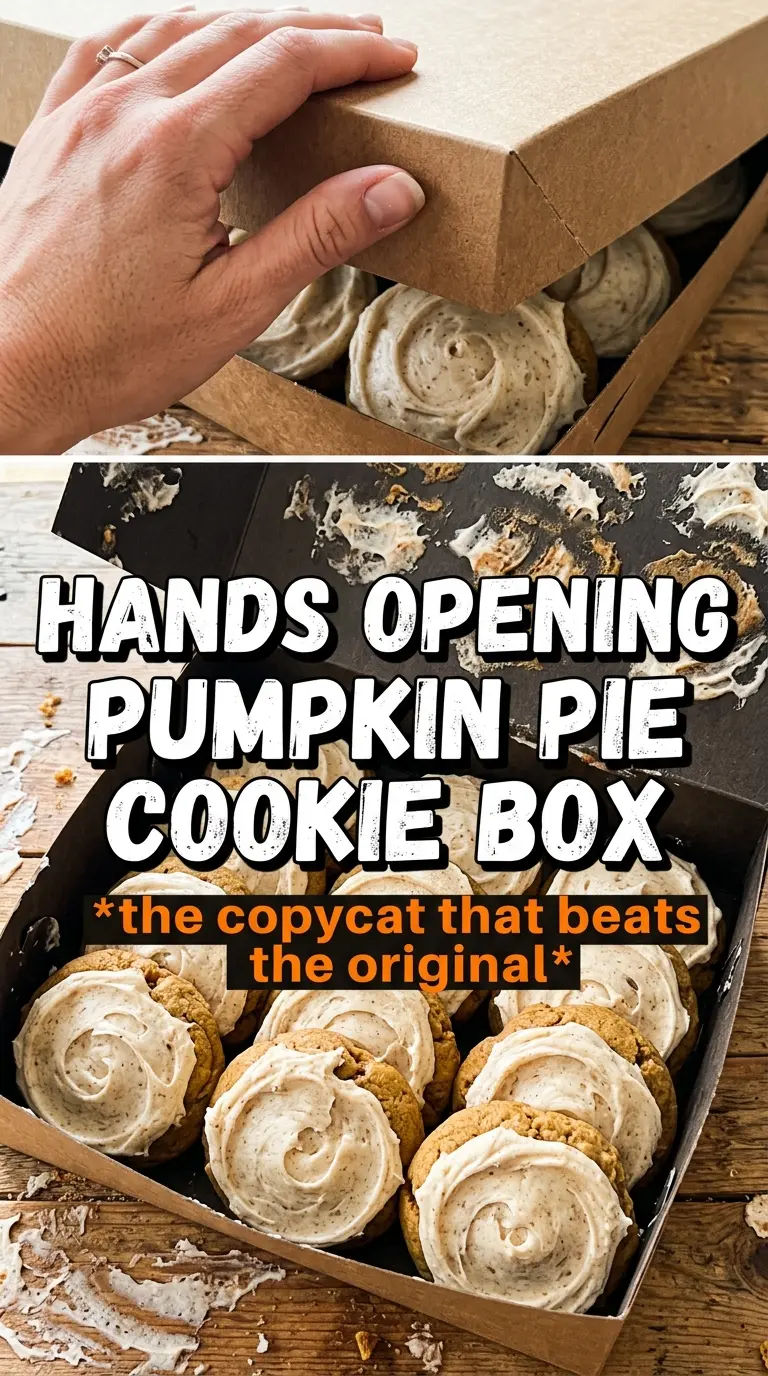
- Blotted pumpkin puree — This adds that unmistakable pumpkin note without flooding the dough with water. Blotting is not optional here; it keeps the cookies thick and prevents a gummy center.
- Brown sugar — A small amount deepens the flavor and helps the cookies stay soft. Granulated sugar does the main lifting for spread and structure, but brown sugar gives the dough a little more warmth.
- Butter, softened — This builds the cookie’s texture and carries the sugar and spice. If the butter is too cold, the dough won’t cream properly; if it’s melted, the cookies spread too much.
- Pumpkin pie spice — This keeps the cookie base tasting like pumpkin pie instead of plain sugar cookie. If you don’t have it, cinnamon with a pinch of ginger and nutmeg gets close.
- Cream cheese — Full-fat cream cheese gives the frosting that tangy, bakery-style finish and helps it pipe in a thick swirl. Reduced-fat versions can work, but the frosting will be looser and less rich.
- Powdered sugar — This sweetens and stabilizes the frosting at the same time. If the frosting seems soft, add a little more powdered sugar before piping.
Building the Dough and Frosting Without Losing the Texture
Blotting the Pumpkin First
Spread the pumpkin puree on a paper towel or clean kitchen towel and press out as much moisture as you can before it goes into the bowl. You want it thicker and less glossy than it started. If you skip this step, the dough can turn sticky and the cookies will spread more than they should. This one small move is what keeps them cookie-like instead of muffin-like.
Creaming the Base Until It Looks Fluffy
Beat the butter, both sugars, and dried pumpkin until the mixture looks pale and a little airy. That step traps air and gives the cookies lift. Add the egg and vanilla only after the mixture looks unified, not greasy or separated. If the bowl looks broken at this stage, the butter was probably too cold or the pumpkin was too wet.
Folding in the Dry Ingredients Gently
Mix the flour, baking powder, baking soda, salt, and pumpkin pie spice separately, then fold them into the wet mixture just until the last streaks disappear. Overmixing will tighten the dough and make the cookies less tender. The finished dough should be thick enough to scoop cleanly and hold a rough mound. If it feels sticky, chill it briefly instead of adding extra flour.
Baking Until the Centers Still Look Soft
Scoop the dough into large balls, press them slightly flat, and bake just until the edges are set. The tops should lose their raw sheen, but the centers will still look soft when the pan comes out of the oven. Let them cool completely on the pan or a rack before frosting. If you frost warm cookies, the swirl slides off and the frosting turns slack.
Piping the Finish
Beat the frosting until it’s smooth and spreadable, then pipe a generous swirl onto each cooled cookie. The frosting should hold its shape without being stiff enough to tear the cookie underneath. A final dusting of cinnamon gives the top that pie-like finish and hides any imperfect piping. A single pecan on top fits the bakery look if you want that extra detail.
How to Adjust These Cookies for Different Kitchens and Different Crowds
Dairy-Free Version
Use a plant-based butter in both the cookie dough and frosting, and swap in a dairy-free cream cheese that’s meant for baking. The cookies will still be soft and rich, but the frosting may need a touch more powdered sugar to hold a piped swirl. Choose a block-style alternative, not a tub spread, or the frosting can turn loose.
Gluten-Free Cookies
A 1:1 gluten-free flour blend will work here if it includes xanthan gum. The texture will be a little more delicate and the cookies may spread slightly less, but the pumpkin and frosting still carry the flavor. Let the dough rest for 10 to 15 minutes before scooping so the flour can hydrate.
Smaller Bakery-Style Cookies
Scoop the dough into smaller portions and cut the bake time by a few minutes. You’ll lose some of the oversized Crumbl look, but you’ll gain more cookies and a slightly higher frosting-to-cookie ratio, which is not a bad thing.
Storage and Reheating
- Refrigerator: Store frosted cookies in an airtight container for up to 4 days. The frosting stays fine, but the cookie base softens a little more as it sits.
- Freezer: Freeze the unfrosted cookies for up to 2 months. Wrap them well and thaw at room temperature before frosting so condensation doesn’t loosen the topping.
- Reheating: These are best eaten at room temperature, not warmed. If you want the cookie base slightly softer, let it sit out for 20 to 30 minutes; microwaving will melt the frosting and ruin the swirl.
Questions I Get Asked About This Recipe
Crumbl Pumpkin Pie Cookies
Ingredients
Equipment
Method
- Preheat oven to 350F and line baking sheets with parchment.
- Blot pumpkin puree dry thoroughly.
- Beat softened unsalted butter, granulated sugar, and brown sugar until fluffy.
- Beat in pumpkin puree, then mix until combined.
- Add the egg and vanilla extract, and beat until smooth.
- Whisk all-purpose flour, baking powder, baking soda, salt, and pumpkin pie spice together.
- Fold the dry mixture into the butter mixture until a thick dough forms.
- Scoop dough into large 3-tablespoon balls and place on parchment, pressing each slightly flat.
- Bake at 350F for 13-14 minutes until edges are set but centers still look soft.
- Cool the cookies completely.
- Beat cream cheese, softened butter, powdered sugar, vanilla, and cinnamon until smooth.
- Pipe a generous swirl of frosting onto each fully cooled cookie.
- Dust the frosted cookies with cinnamon for dusting.
- Top each cookie with a pecan.


