Pull-apart French dip sliders are the kind of pan dinner that disappears before the serving plate hits the table. The rolls bake up soft underneath and deeply golden on top, the provolone melts into the roast beef, and every bite gets that salty, beefy dip in hot au jus. What makes this version worth keeping is the balance: enough butter on the rolls to give you flavor and color, but not so much that the bottoms turn soggy before the center heats through.
The trick is stacking the beef in even layers and covering the pan for most of the bake. That gives the cheese time to melt without over-browning the tops, and it keeps the sliders tender instead of dry. The au jus is short and straightforward, but the Worcestershire and soy sauce give it the depth you want when you’re dipping something that’s already rich.
Below, I’ve included the small details that matter most, from how to slice the rolls cleanly to the best way to reheat leftovers without losing that soft-yet-crisp texture.
The rolls stayed soft underneath but still got that golden top, and the au jus tasted like it had been simmering all afternoon. My kids ate two sliders each before I even sat down.
These French dip sliders bake up with melty provolone, buttery tops, and that rich au jus that keeps every bite juicy.
The Part Most People Rush: Keeping the Bottoms Soft, Not Soggy
The biggest mistake with slider-style sandwiches is overloading them with moisture before the bake is done. These French dip sliders work because the roast beef warms through inside the rolls while the butter mixture stays on top, where it can brown and perfume the bread instead of soaking straight through it. The foil cover matters here: it traps heat long enough to melt the cheese and warm the beef without drying out the tops or scorching the edges.
Another detail that matters is the cut of beef. Thinly sliced deli roast beef melts into the sliders in a way chunkier sandwich meat never will. If the slices are folded neatly instead of piled in a thick clump, the sliders pull apart cleanly and every roll gets a little of everything.
- Foil — Covering the pan for the first part of baking keeps the cheese from over-browning before the center is hot. Uncovering at the end gives you the top color you want.
- Hawaiian rolls — Their slight sweetness balances the salty beef and savory au jus. A sturdier dinner roll will work, but you’ll lose that soft, pull-apart texture.
- Provolone — This melts smoothly without turning greasy. Swiss also works if you want a sharper edge, but it changes the flavor in a noticeable way.
What Each Ingredient Is Actually Doing in These Sliders
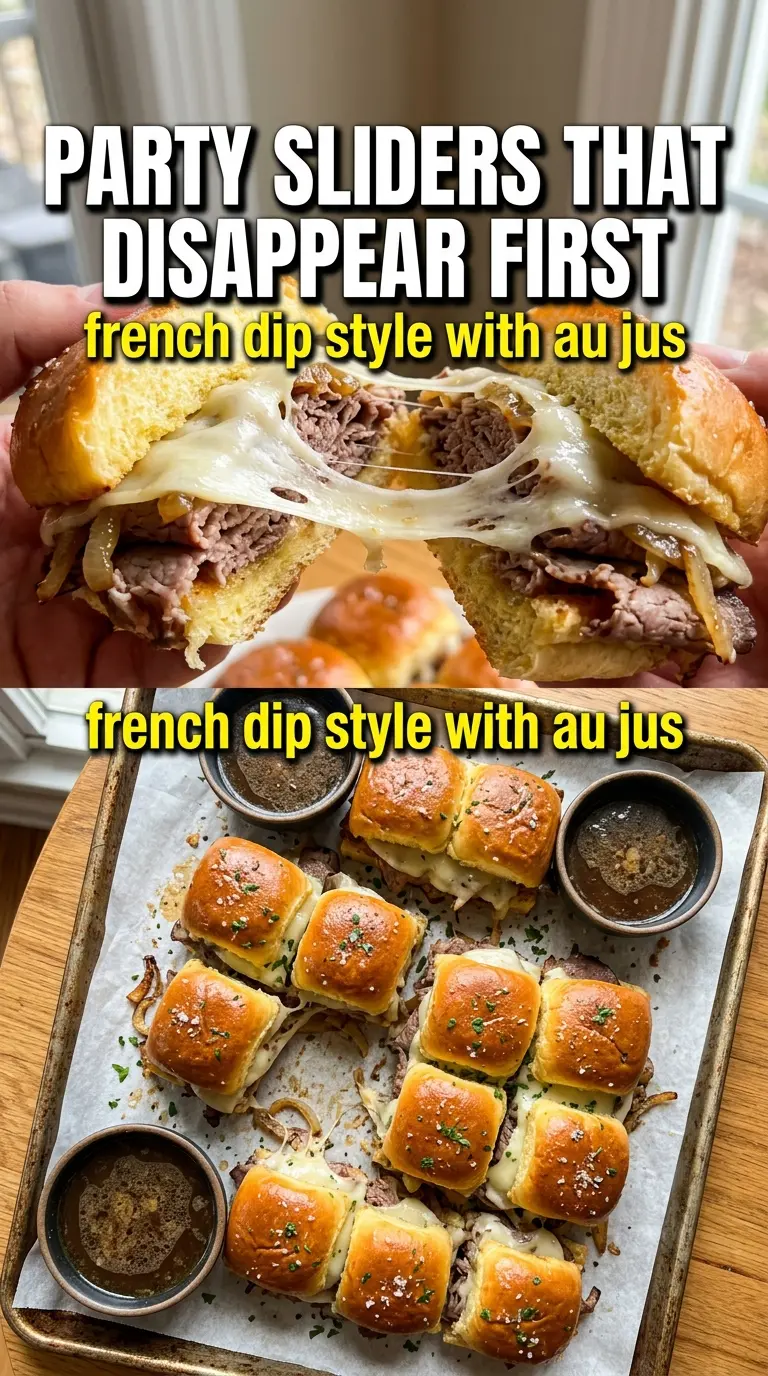
- Hawaiian sweet rolls — These give you the soft, slightly sweet base that makes the sliders taste complete, not just assembled. Slice the whole slab horizontally so the bottoms stay aligned and don’t tear apart while you build.
- Deli roast beef — Thin slices are the whole game here. Thick roast beef can eat dry after baking, while thin shaved beef stays tender and mingles with the cheese.
- Provolone — It melts into a creamy layer without overpowering the beef. If you want a stronger cheese pull, mozzarella works, but the flavor will be milder.
- Butter topping — The Worcestershire, garlic powder, onion powder, and parsley turn plain melted butter into the flavor on the lid. Brush it generously across the tops so every roll gets an even, savory crust.
- Au jus — This is more than warm broth; the Worcestershire and soy sauce give it depth and that darker, restaurant-style finish. Use a good beef broth, since the sauce is only simmered briefly and won’t have time to hide a weak base.
Building the Sliders So They Bake Up Hot and Pull Apart Cleanly
Cut the Rolls as One Piece
Keep the rolls attached and slice the whole slab in half horizontally. A serrated knife makes this easier and gives you a cleaner cut. If you separate the rolls first, the bottom layer shifts around and the sliders can bake unevenly, which makes serving harder later.
Layer the Beef and Cheese Evenly
Spread the roast beef all the way to the edges so the center of each slider doesn’t end up empty. Lay the provolone over the top in overlapping slices so it melts into a continuous layer. If the cheese is stacked in just a few spots, you’ll get gaps and the sandwiches won’t hold together when you lift them out of the pan.
Brush, Cover, and Finish with Color
Pour or brush the butter mixture over the tops until they’re fully coated, then cover the dish tightly with foil. Bake long enough for the filling to heat through, then uncover for the last few minutes so the tops turn glossy and golden. If you skip the foil, the bread browns before the center is hot; if you leave it covered the whole time, the tops stay pale and soft.
Simmer the Au Jus Right Before Serving
Bring the broth, Worcestershire, soy sauce, and garlic powder to a gentle simmer and let it go for about five minutes. You want it hot and savory, not reduced into something salty and thinly harsh. Taste it before serving; if it needs more depth, a small splash of Worcestershire helps more than extra salt ever will.
How to Adapt These French Dip Sliders for Different Crowds and Diets
Gluten-Free Version
Use gluten-free rolls that come in a connected slab if you can find them, and swap the soy sauce in the au jus for tamari. The texture won’t be quite as airy as Hawaiian rolls, but the same layered build still works.
Sharper, More Savory Sandwiches
Swap half the provolone for Swiss if you want a more classic deli-style bite. Swiss adds a little tang and cuts through the richness, but it won’t melt quite as silkily as provolone alone.
Make-Ahead Party Tray
Assemble the sliders a few hours ahead, cover, and refrigerate them without the butter topping. Brush on the butter just before baking so the rolls don’t absorb it too early and turn greasy or dense.
Lower-Sodium Adjustment
Choose a low-sodium beef broth and reduce the soy sauce slightly if needed. The au jus should still taste deep and beefy, so keep the Worcestershire in place and lean on garlic powder for background flavor.
Storage and Reheating
- Refrigerator: Store leftover sliders covered for up to 3 days. The rolls soften a bit as they sit, but they’ll still reheat well.
- Freezer: Freeze the baked sliders tightly wrapped for up to 1 month. The texture is best if you freeze without the au jus and make a fresh batch when serving.
- Reheating: Warm in a 325°F oven, covered with foil, until heated through. The common mistake is blasting them in the microwave, which makes the bread rubbery and the beef dry at the edges.
Answers to the Questions Worth Asking
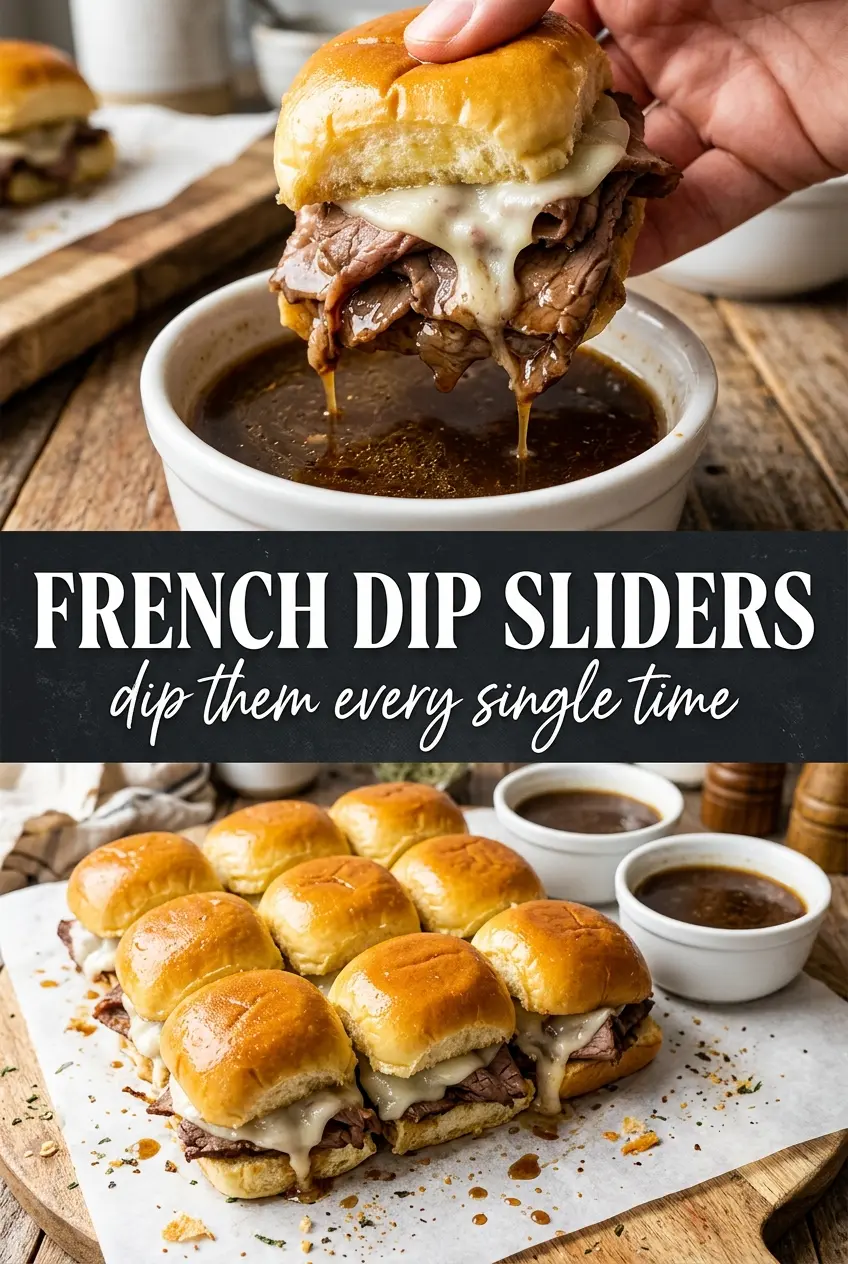
French Dip Sliders
Ingredients
Equipment
Method
- Preheat the oven to 350°F and grease a 9x13 baking dish so the bottoms release easily. Set up the dish for quick layering once the rolls are prepped.
- Slice the Hawaiian sweet rolls in half horizontally without separating the individual rolls, then place the bottoms in the dish. Keep them snug so the sliders hold together when pulled apart.
- Layer the roast beef and provolone cheese evenly over the roll bottoms, then place the roll tops on. Spread toward the edges so every slider gets melted cheese.
- Whisk the melted butter with Worcestershire sauce, garlic powder, onion powder, and chopped parsley, then brush generously over the roll tops. Make sure the tops look glossy with an even coating.
- Cover with foil and bake at 350°F for 15 minutes, until the rolls are warmed through and the cheese starts melting. The foil should trap steam to soften the bread.
- Uncover and bake at 350°F for 5 more minutes until the tops are golden. Look for browning on the surface before pulling the pan from the oven.
- Simmer the beef broth with Worcestershire sauce, soy sauce, and garlic powder for 5 minutes. Keep it at a gentle simmer until the sauce tastes well-seasoned.
- Serve the sliders hot with the au jus in a cup or small ramekin for dipping. Pull-apart pieces will show roast beef and stretch of provolone as you dip.