Golden garlic butter chicken earns its place on the weeknight table because the sauce clings to the meat instead of sliding off the plate. The chicken sears into a deep, savory crust, then gets finished in a pan sauce that tastes rich without turning heavy. Every bite gives you browned chicken, soft garlic, and that silky butter finish with a little brightness from lemon.
The trick is keeping the heat where it belongs. The chicken needs enough heat to brown before it goes back into the sauce, but the garlic needs a gentler pan so it turns fragrant instead of bitter. A splash of broth loosens all the browned bits from the skillet, which is where most of the flavor lives. That’s what makes this version taste like more than chicken plus butter.
Below, I’ve laid out the parts that matter most: how to get the sear without overcooking the center, why the garlic goes in after the chicken comes out, and the small finishing step that keeps the sauce tasting fresh instead of flat.
The chicken browned beautifully and the garlic butter sauce came together in the same skillet without tasting greasy. I spooned it over crusty bread and my husband asked if I could make it again tomorrow.
Save this garlic butter chicken for the nights when you want a fast skillet dinner with a glossy pan sauce and almost no cleanup.
The Sear Is the Difference Between Juicy Chicken and Bland Chicken
Most garlic butter chicken goes wrong before the sauce ever hits the pan. If the chicken goes in cold, crowded, or wet, it steams instead of browns, and the whole dish tastes flat no matter how much garlic you add later. A good sear gives you the savory crust and the browned bits that make the sauce taste layered instead of one-note.
Use medium-high heat for the chicken, then back the pan down before the garlic goes in. That change matters. Garlic burns fast, and burnt garlic turns the sauce harsh in seconds. The other key is pulling the chicken once it reaches 165°F and letting the sauce finish on its own; if you simmer the chicken too long in the butter sauce, the breasts dry out and the sauce loses its clean finish.
What Each Ingredient Is Actually Doing in This Skillet
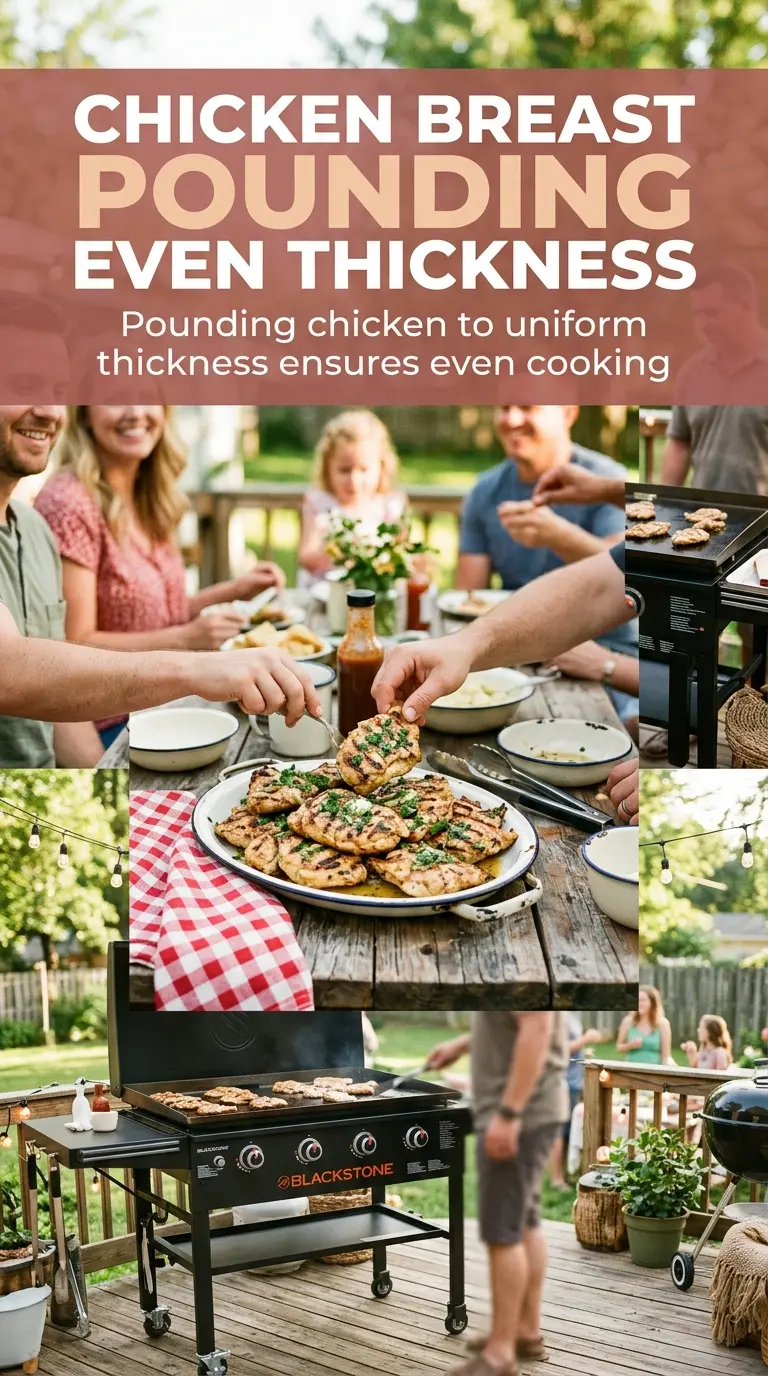
- Chicken breasts — Boneless breasts cook quickly and stay neat under the sauce, but they need even thickness. If one side is much thicker, pound it lightly so the whole piece finishes at the same time and you don’t end up with dry edges and a raw center.
- Butter — This is the base of the sauce, so use real butter here. It carries the garlic and gives the pan sauce its glossy finish. If you swap in margarine, you lose that clean dairy richness and the sauce tastes thinner.
- Garlic — Fresh minced garlic is worth it. Jarred garlic can work in a pinch, but it doesn’t soften the same way in butter and can taste muted or slightly sharp. Cook it just until fragrant, not browned.
- Chicken broth — The broth cuts the richness and lifts the browned bits from the skillet. Use low-sodium broth if you can, since the chicken and butter already bring plenty of salt.
- Lemon juice — This is the finish that keeps the sauce from tasting heavy. Add it at the end, a little at a time, until the butter tastes bright instead of flat.
- Fresh parsley — Parsley isn’t just garnish here. It gives the sauce a fresh edge and keeps the dish from tasting all butter and garlic, especially if you serve it with bread or rice.
Getting the Sauce Glossy Without Breaking It
Seasoning and Searing the Chicken
Season the chicken generously with salt and pepper before it hits the pan. The surface should go into hot oil and sizzle right away; that sound tells you the pan is hot enough to build color. Leave the chicken alone for the first few minutes so a crust forms. If it sticks when you try to move it, give it another minute — it usually releases once the sear is set.
Building the Garlic Butter Base
Once the chicken comes out, lower the heat before adding the butter and garlic. The butter should melt and foam, and the garlic should smell warm and sweet within a minute or two. If it starts turning deep brown, the pan is too hot and the flavor will go bitter fast. Stir just enough to keep the garlic moving through the butter.
Pulling Up the Fond and Finishing the Sauce
Add the broth and scrape the skillet bottom with a wooden spoon so the browned bits dissolve into the liquid. That’s the backbone of the sauce. Let it simmer briefly so the flavors concentrate, then return the chicken and spoon the sauce over the top. Finish with lemon juice and parsley off the heat or at a very low simmer so the sauce stays smooth.
Three Ways to Adjust This Garlic Butter Chicken Without Losing the Point
Make it dairy-free
Use a good plant-based butter that behaves like real butter in a pan. You’ll still get a silky sauce, but it won’t taste quite as rich, so the lemon at the end becomes even more important for balance.
Use chicken thighs instead of breasts
Boneless thighs give you more forgiveness and a deeper chicken flavor. They take a few minutes longer to cook, but they stay juicy even if the pan runs a little hot. Watch for the same golden crust, then cook until the thickest part reaches 165°F.
Make it low-carb-friendly
The recipe already fits a low-carb pattern as written, which is part of why it’s such a reliable weeknight meal. Serve it over cauliflower mash or alongside green beans if you want something on the plate to catch the sauce without adding starch.
Add heat without changing the texture
A pinch of red pepper flakes can go in with the garlic if you want a little bite. Keep the amount small so the spice sits in the background and doesn’t cover the butter and lemon finish.
Storage and Reheating
- Refrigerator: Store leftovers in an airtight container for up to 3 days. The sauce will thicken as it chills.
- Freezer: It freezes, but the butter sauce may separate a little after thawing. Freeze in a sealed container for up to 2 months if needed.
- Reheating: Warm gently in a covered skillet over low heat with a splash of broth or water. High heat is the mistake here — it dries out the chicken and can break the sauce.
Questions I Get Asked About This Recipe
Garlic Butter Chicken
Ingredients
Equipment
Method
- Season the chicken breasts generously with salt and pepper, coating all sides for even flavor.
- Heat the olive oil in a large skillet over medium-high heat, then sear the chicken for 6-7 minutes per side until golden and cooked through to 165°F (visual cue: browned edges and no pink in the center).
- Remove the chicken to a plate and set aside while you reduce the heat to medium.
- Add the butter and minced garlic to the skillet and cook for 1-2 minutes until fragrant (visual cue: garlic turns lightly golden).
- Add the chicken broth and dried thyme, scraping up the browned bits from the pan, then simmer for 2-3 minutes until slightly reduced.
- Return the chicken to the pan and spoon the sauce over the top so the breasts stay coated and glossy.
- Stir in lemon juice and chopped parsley, then serve immediately (visual cue: fresh parsley adds green flecks).