Gingerbread muffins bake up with a deep molasses warmth, a tender crumb, and those cracked domed tops that make them look like they came from a bakery case. The spice blend is bold enough to taste like gingerbread, but the texture stays soft and light instead of dense or gummy, which is what keeps these in the breakfast rotation.
The key is balancing the wet ingredients so the molasses flavor comes through without weighing the batter down. Melted butter keeps the crumb rich, brown sugar adds a little moisture, and buttermilk gives the muffins a gentle tang that sharpens all those spices. A touch of black pepper sounds small, but it wakes up the ginger in a way that makes the flavor taste deeper instead of hotter.
Below, you’ll find the little details that matter: how to mix the batter without overworking it, why the glaze should wait until the muffins have cooled just enough, and a few swaps that still keep the flavor balanced.
The muffins rose with those perfect cracked tops, and the glaze set just enough that it didn’t slide off. I loved the tiny kick from the black pepper — it made the ginger taste brighter without being spicy.
Save these gingerbread muffins for the mornings when you want cracked domes, warm spice, and that creamy drizzle on top.
The Batter Mistake That Makes Gingerbread Muffins Heavy
The most common problem with gingerbread muffins is overmixing. Once the flour goes in, the batter should look a little rough and a little streaky, and that’s fine. Stirring until it looks perfectly smooth builds too much gluten, which turns the crumb tight instead of tender.
The other place people go wrong is heat management. Molasses, brown sugar, and butter all bring a lot of moisture, so these muffins need a hot oven to lift fast before the batter can spread. If the oven runs cool, the tops stay flat and the texture leans dense.
- Start with room-temperature eggs and buttermilk — they blend more evenly into the melted butter mixture, which helps the batter stay smooth without extra mixing.
- Whisk the spices into the dry ingredients — this spreads the ginger, cinnamon, cloves, allspice, and pepper evenly so every bite tastes balanced.
- Stop folding the moment the flour disappears — a few small lumps are better than a tough muffin.
What the Molasses, Buttermilk, and Cream Cheese Glaze Are Each Doing
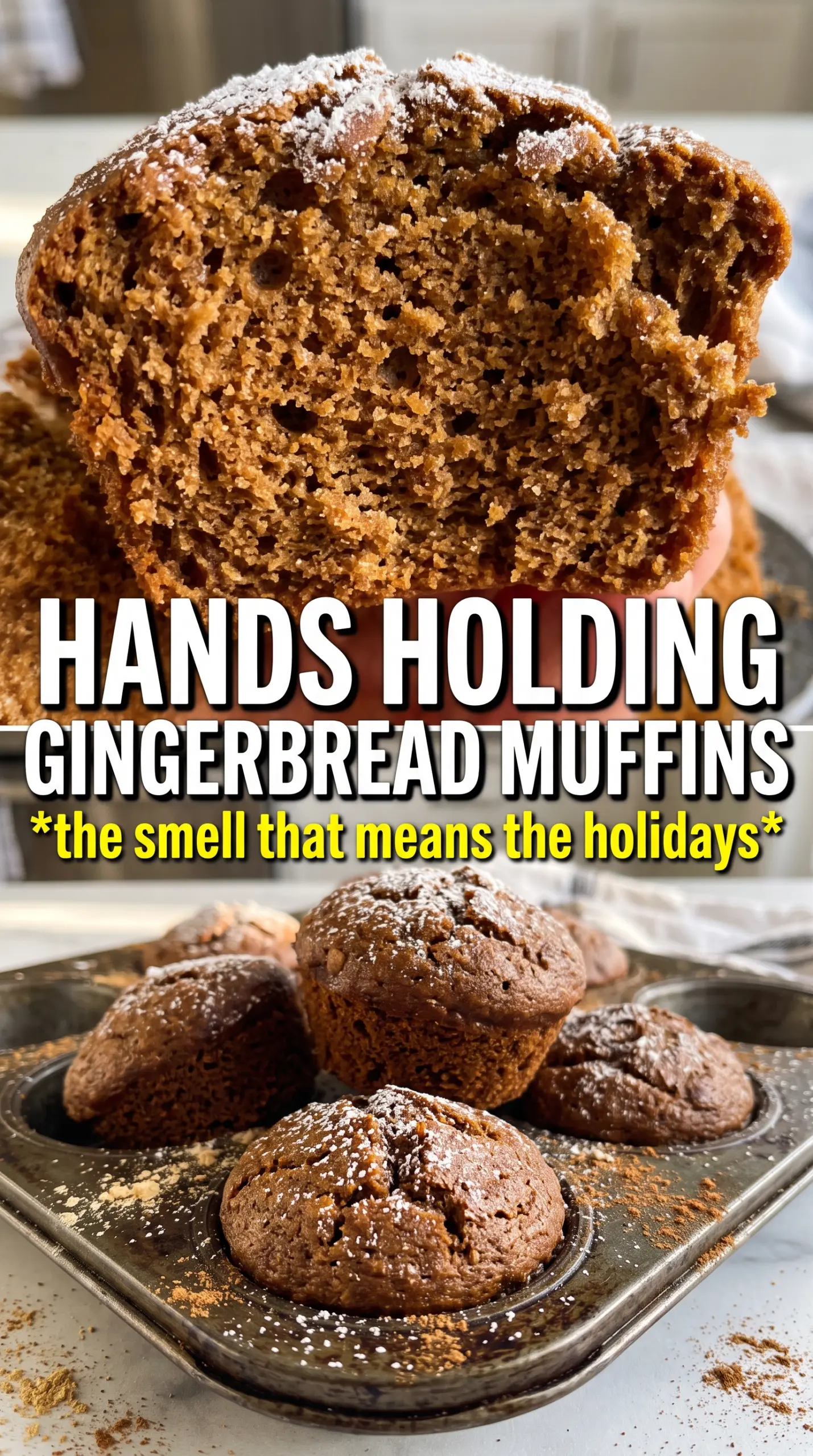
Molasses is the backbone of the flavor here. Regular molasses gives a deep, dark gingerbread taste and enough moisture to keep the crumb soft. I wouldn’t swap in maple syrup here unless you want a much lighter, sweeter muffin that tastes less like gingerbread.
Buttermilk softens the spice and works with the baking soda to help the muffins rise. If you don’t have it, stir 2 teaspoons of lemon juice or vinegar into 3/4 cup milk and let it sit for 5 minutes. That substitute works for structure, but the tang is a little less full.
Cream cheese glaze brings the whole thing into breakfast-pastry territory. The cream cheese gives the glaze enough body to cling to the domes instead of running straight off. If you want a thinner drizzle, add the milk slowly until it ribbons off the spoon.
Black pepper is not optional in my kitchen. It doesn’t make the muffins spicy; it sharpens the ginger and keeps the spice blend from tasting flat.
Mixing, Baking, and Glazing Without Losing the Crumb
Building the Wet Base
Whisk the melted butter, brown sugar, molasses, eggs, buttermilk, and vanilla until the mixture looks glossy and fully combined. You want the brown sugar dissolved as much as possible before it hits the flour, because gritty sugar can leave the crumb uneven. If the butter is still hot enough to scramble the eggs, wait a minute or two before mixing.
Bringing the Batter Together
Add the dry ingredients to the wet ingredients and fold just until no dry flour remains. The batter should look thick and scoopable, not pourable. If you keep stirring after that point, the muffins lose their soft, cakey texture and bake up like little bricks.
Baking to the Right Finish
Divide the batter evenly into the muffin cups and bake until the tops are domed and a toothpick comes out clean or with a few moist crumbs. The tops should spring back lightly when touched, and the edges will look set and a touch darker than the centers. Pull them at that point; waiting for a completely dry toothpick can dry out the crumb.
Drizzling the Glaze
Let the muffins cool for about 5 minutes before glazing so the glaze clings instead of melting into the tops. Whisk the powdered sugar, cream cheese, milk, and vanilla until smooth, then drizzle while the muffins are still slightly warm. If the glaze seems too thick, add a few drops of milk at a time; if it gets too thin, a spoonful more powdered sugar fixes it fast.
Three Ways to Adapt These Gingerbread Muffins
Dairy-Free Muffins
Swap the butter for melted vegan butter or neutral oil, and use a dairy-free milk with 2 teaspoons vinegar in place of the buttermilk. The muffins will still rise well, though the crumb will be a little less rich than the original. Skip the cream cheese glaze or use a dairy-free cream cheese alternative thinned with a little milk.
Extra-Spicy Gingerbread Muffins
Increase the ground ginger to 2 teaspoons and add a pinch more black pepper if you want a sharper finish. This version leans more toward classic old-fashioned gingerbread and cuts through the sweetness of the glaze. It’s the version I bake when I want the ginger to be the first thing you taste.
Glaze-Free Breakfast Muffins
Leave off the glaze and the muffins become more practical for grab-and-go breakfasts. The spice and molasses still carry the flavor, and the tops stay pleasantly domed without the extra sweetness. If you want a little finish without the glaze, dust them lightly with cinnamon sugar while they’re still warm.
Storage and Reheating
- Refrigerator: Store in an airtight container for up to 4 days. The glaze may soften and the tops will lose a little of their crisp edge.
- Freezer: Freeze the unglazed muffins for up to 2 months. Wrap individually and thaw at room temperature so they don’t turn soggy from condensation.
- Reheating: Warm in a 300F oven for 6 to 8 minutes or microwave briefly in 10-second bursts. If they’re glazed, reheat gently so the glaze doesn’t melt off and soak into the muffin tops.
Questions I Get Asked About This Recipe
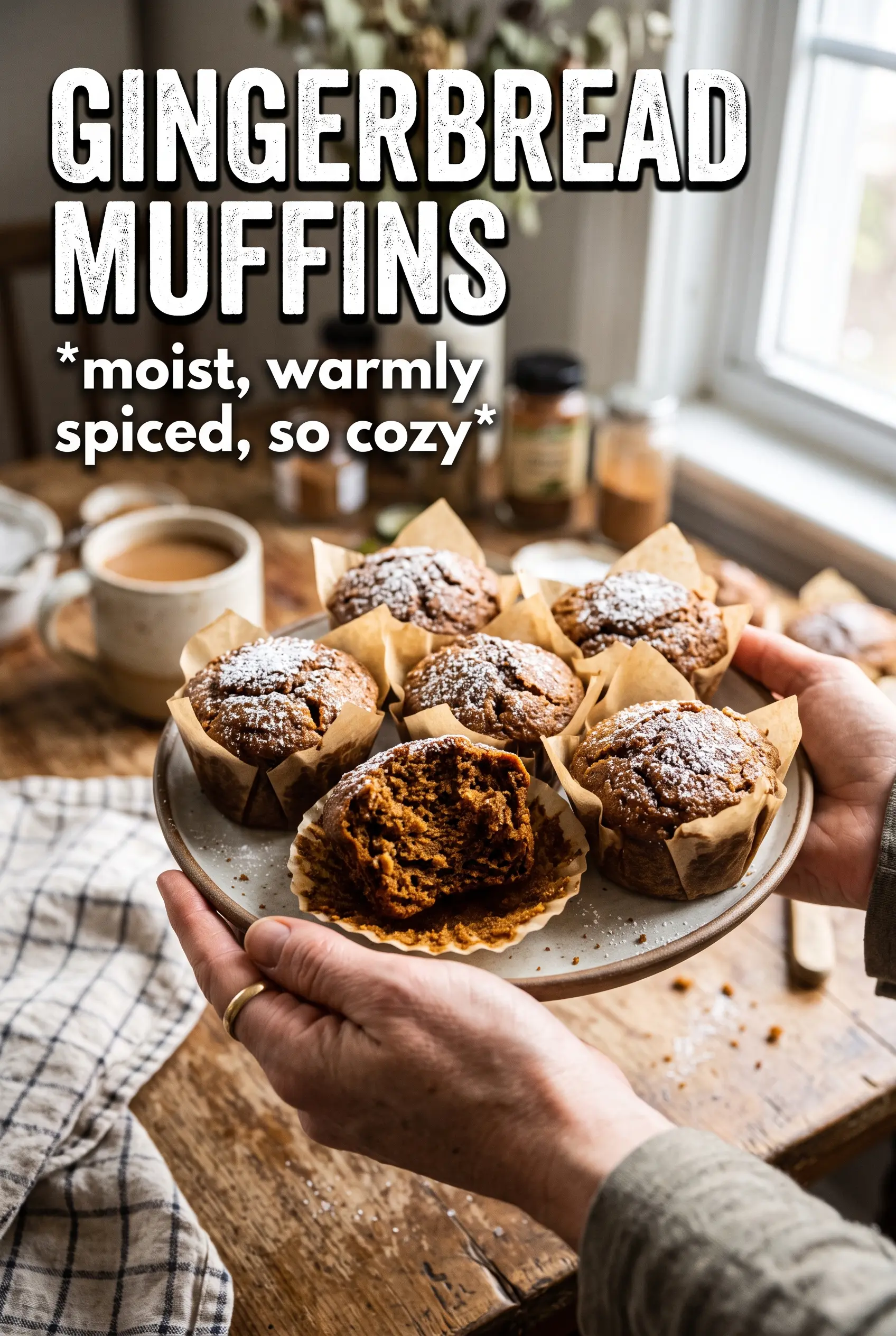
Gingerbread Muffins
Ingredients
Equipment
Method
- Preheat the oven to 375F and line a 12-cup muffin tin.
- Whisk all-purpose flour, baking soda, baking powder, cinnamon, ginger, cloves, allspice, black pepper, and salt until evenly combined.
- Whisk melted butter, brown sugar, molasses, eggs, buttermilk, and vanilla until smooth.
- Fold the wet mixture into the dry mixture until just combined, then divide the batter into the muffin cups.
- Bake at 375F for 18-20 minutes, until a toothpick comes out clean.
- Cool the muffins for 5 minutes.
- Stir powdered sugar, cream cheese, milk, and vanilla into a smooth glaze, then drizzle over the warm muffins.


