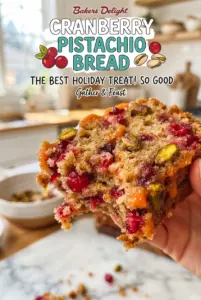
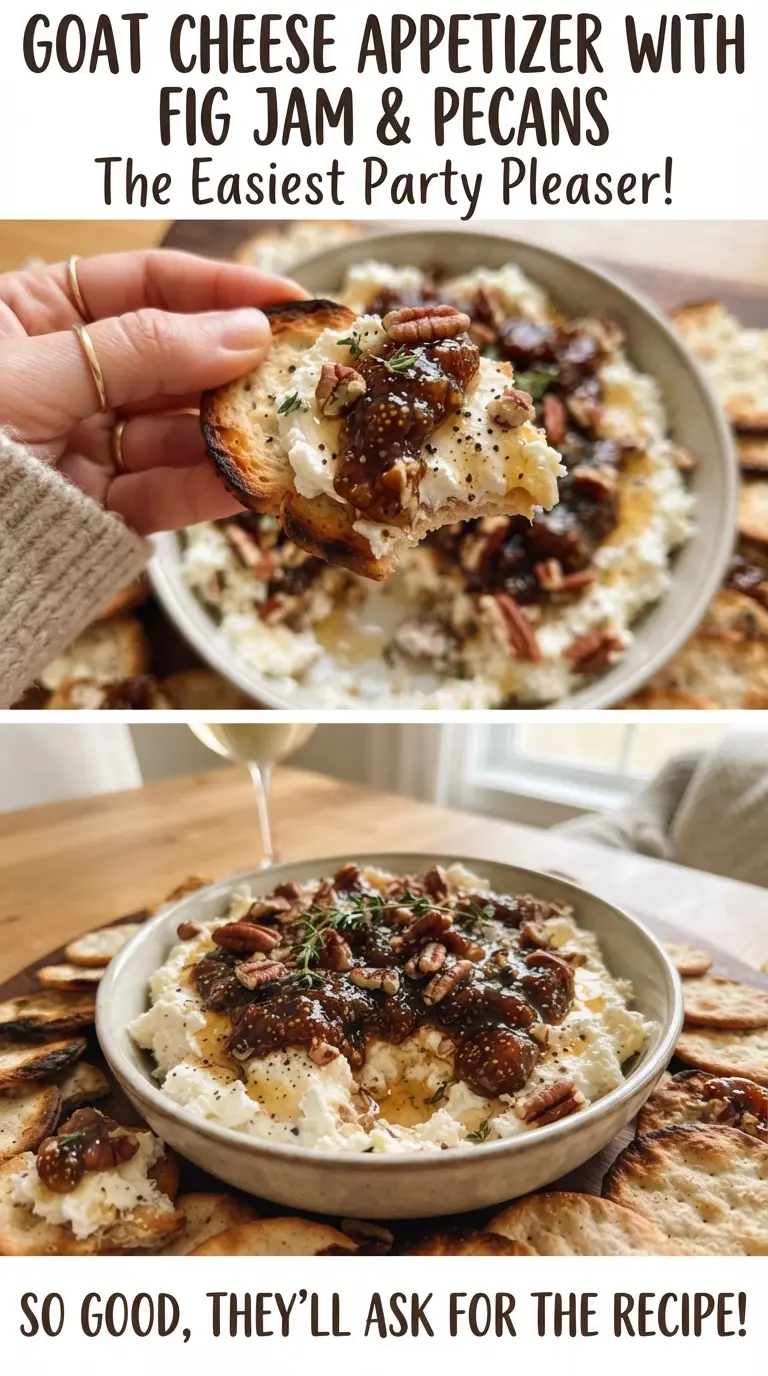
Goat cheese, fig jam, and candied pecans hit that sweet-salty-creamy-crunchy balance that disappears fast from any board. The goat cheese stays cool and tangy under the warm, glossy jam, and the toasted pecans bring just enough caramel edge to keep every bite interesting. It looks polished with almost no effort, which is exactly why it earns a repeat spot for holidays, wine nights, and last-minute guests.
The small skillet step matters more than it looks. Tossing the pecans with butter and brown sugar gives them a thin candied coating that clings to the jam instead of sliding off the cheese. A little fresh rosemary keeps the whole thing from leaning too sweet, and the flaky salt at the end sharpens every flavor without making the board feel fussy.
Below, you’ll find the one detail that keeps the topping from turning greasy, plus a few smart ways to change the board for different tastes and what to serve alongside it so the whole platter feels complete.
The pecans turned out perfectly candied, and the rosemary kept the fig jam from tasting too sweet. I brought this to a dinner party and the goat cheese log was gone before the other appetizers.
Save this goat cheese appetizer with fig jam and pecans for the next time you need a fast board that looks elegant and tastes even better.
The Reason the Pecans Need the Pan Before the Board
That quick toast in butter and brown sugar isn’t just for flavor. It gives the pecans a thin, glossy shell that holds up against the fig jam instead of going soft within minutes. If you skip that step, the nuts taste flat and the whole board loses the crisp contrast that makes each bite stand out.
The other common mistake is piling everything on while the pecans are still hot. Warm nuts melt the goat cheese just enough to make it slump, and the jam starts to slide instead of sitting in a thick layer. Let the nuts cool on parchment until they feel dry to the touch, then build the board.
- Goat cheese log — Use a good, tangy log here. The firmer shape holds the toppings better than a whipped spread, and it gives you clean slices once guests start serving themselves.
- Fig jam — This does the heavy sweet work, so choose one with a deep fruit flavor, not just sugar. If your jam is very thick, warm it for 10 seconds so it spreads without tearing the cheese.
- Pecans — Roughly chopped pecans catch the honey and rosemary in all the little corners. Walnuts work in a pinch, but they taste more bitter and less buttery.
- Fresh rosemary — Fresh is worth using here. Dried rosemary can taste woody and dusty, while finely chopped fresh rosemary brings a piney note that cuts through the richness.
- Flaky sea salt — This is the finishing touch that keeps the board from reading as dessert. Don’t use table salt; you want the light crunch and clean burst from the flakes.
What Each Ingredient Is Actually Doing in This Recipe
- Primary ingredient (the star) — Quality matters most. Choose the best you can find.
- Cooking medium (oil, butter, or broth) — This carries flavors and prevents dryness.
- Seasonings (salt, pepper, spices, herbs) — Layer flavors so nothing overpowers. Build depth gradually.
- Aromatics (garlic, onion, herbs) — Cook with fat to bloom flavors. Become the foundation.
- Supporting ingredients — Complement the main ingredient without overpowering it.
- Sauce or liquid (if applicable) — Brings flavors together. Balance richness with acid.
- Acid (lemon, vinegar, wine, or other) — Brightens and prevents flat-tasting results.
- Final finish (garnish, glaze, or sauce) — Prevents one-dimensional taste and adds visual appeal.
How to Build the Board So the Toppings Stay Put
Candying the Pecans
Melt the butter over medium heat, then add the pecans and brown sugar. Stir constantly as the sugar melts and clings to the nuts, and pull the pan once the pecans smell toasted and the coating looks shiny, not dry and sandy. If you leave them too long, the sugar will harden into clumps before it reaches the board. Spread them on parchment right away so they cool into separate pieces.
Setting Up the Cheese
Place the goat cheese log on a small board or shallow platter before you add anything else. A cold log is easier to top, so if your kitchen is warm, chill it for 10 minutes first. Spoon the fig jam over the top and let some run down the sides; that loose, uneven look is part of what makes the board feel generous instead of staged.
Finishing With the Right Contrast
Scatter the cooled pecans and rosemary over the jam, then drizzle with honey in a thin ribbon. End with a small pinch of flaky salt. If you add the salt before the honey, it disappears into the glaze instead of landing in sharp little bursts on top, which is where it does its best work.
How to Adapt This for Different Gatherings
Make it dairy-free
Swap the goat cheese for a dairy-free almond- or cashew-based cheese log. You’ll lose a little of the tang, so keep the rosemary and flaky salt in place to give the board the same savory edge.
Turn it into a warmer spread
Bake the goat cheese log at 375°F for 6 to 8 minutes, just until softened but not melted flat, then add the toppings. The texture gets creamier and more spoonable, which works well with sturdy crackers and sliced pears.
Use walnuts instead of pecans
Walnuts toast nicely and still give you crunch, but they bring a sharper, less buttery flavor. Chop them a little finer than pecans so they distribute evenly across the jam and don’t overpower the cheese.
Make it ahead for a party
Toast the pecans and mix the rosemary with the honey earlier in the day, then store them separately until serving. Assemble the board at the last minute so the cheese stays firm and the nuts keep their crunch.
Storage and Reheating
- Refrigerator: Leftovers keep for 2 to 3 days. The pecans will soften a bit, but the flavor stays good.
- Freezer: Freezing isn’t a good fit for this appetizer. The goat cheese turns grainy once thawed, and the jam loses its glossy texture.
- Reheating: No reheating needed. If the cheese has been chilled, let the board sit at room temperature for 20 minutes before serving so the goat cheese softens and the flavors open up.
Questions I Get Asked About This Recipe
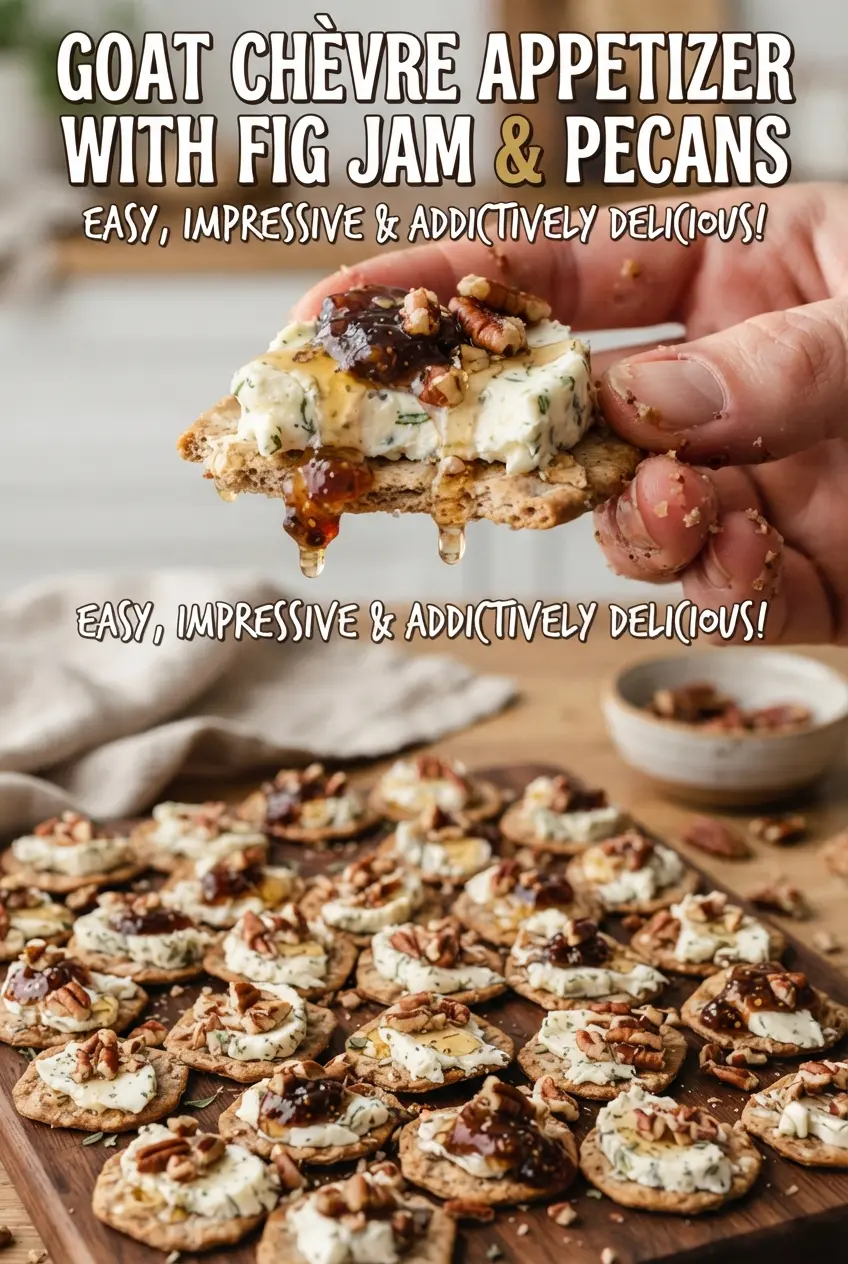
Goat Cheese Appetizer with Fig Jam and Pecans
Ingredients
Equipment
Method
- Melt the butter in a small skillet over medium heat, then add the pecans and brown sugar. Stir until glossy and evenly coated (about 10 seconds), watching for the sugar to start melting.
- Toast for 3-4 minutes, stirring, until the pecans are fragrant and lightly candied. Spread onto parchment to cool, letting the coating set and turn slightly tacky.
- Place the goat cheese log on a serving board. Position it centered so the jam can run down the sides cleanly.
- Spoon the fig jam over the top, letting it run down the sides. Add a bit more until the entire top is covered and the edges are glossy.
- Scatter the candied pecans and chopped rosemary over the jam. Aim for even coverage so each bite gets toasted crunch plus herbal aroma.
- Drizzle with honey and sprinkle with flaky sea salt. Serve immediately with crackers and sliced pears so the jam stays shiny.