Griddle smashed potatoes hit that sweet spot between crispy edges and a tender center, with enough surface area to pick up butter, garlic, and all the salty toppings you pile on at the end. The first bite gives you a shattery crust, then you land in a soft potato middle that tastes like it spent all day working on that texture, even though it comes together fast.
The trick is in the flattening and the heat. Boil the potatoes until they’re just tender, not falling apart, so they hold together when you smash them on the griddle. A mix of oil and butter keeps the bottoms from sticking and gives the potatoes enough fat to brown deeply instead of drying out. Garlic goes in around the potatoes, not too early, so it perfumes the griddle without burning into bitterness.
Below, I’m walking through the part that matters most: how hard to smash, when to flip, and why the toppings go on after the crust is fully set. There’s also a variation for making them vegetarian without losing the loaded-potato feel, plus the storage note you’ll want if you make a full batch.
The potatoes got that crackly edge on the griddle and stayed fluffy inside. I kept waiting for them to fall apart when I smashed them, but they held together perfectly and the garlic butter on the hot surface was next-level.
Love these griddle smashed potatoes? Save them to Pinterest for the nights when you want crispy-edged loaded potatoes without turning on the oven.
The Reason They Crisp on the Griddle Instead of Going Soft
The biggest mistake with smashed potatoes is crowding the heat and rushing the crust. If the potatoes are still wet after boiling, or if the griddle isn’t hot enough, they steam first and brown second. That leaves you with pale, greasy potatoes instead of the crisp, deeply golden edges you want.
These work because the potatoes are cooked just until tender, then dried off before they hit the griddle. The smash creates a lot of surface contact, and that surface needs direct heat plus fat to crisp properly. Butter adds flavor, but oil helps keep the butter from scorching while the potatoes build their crust.
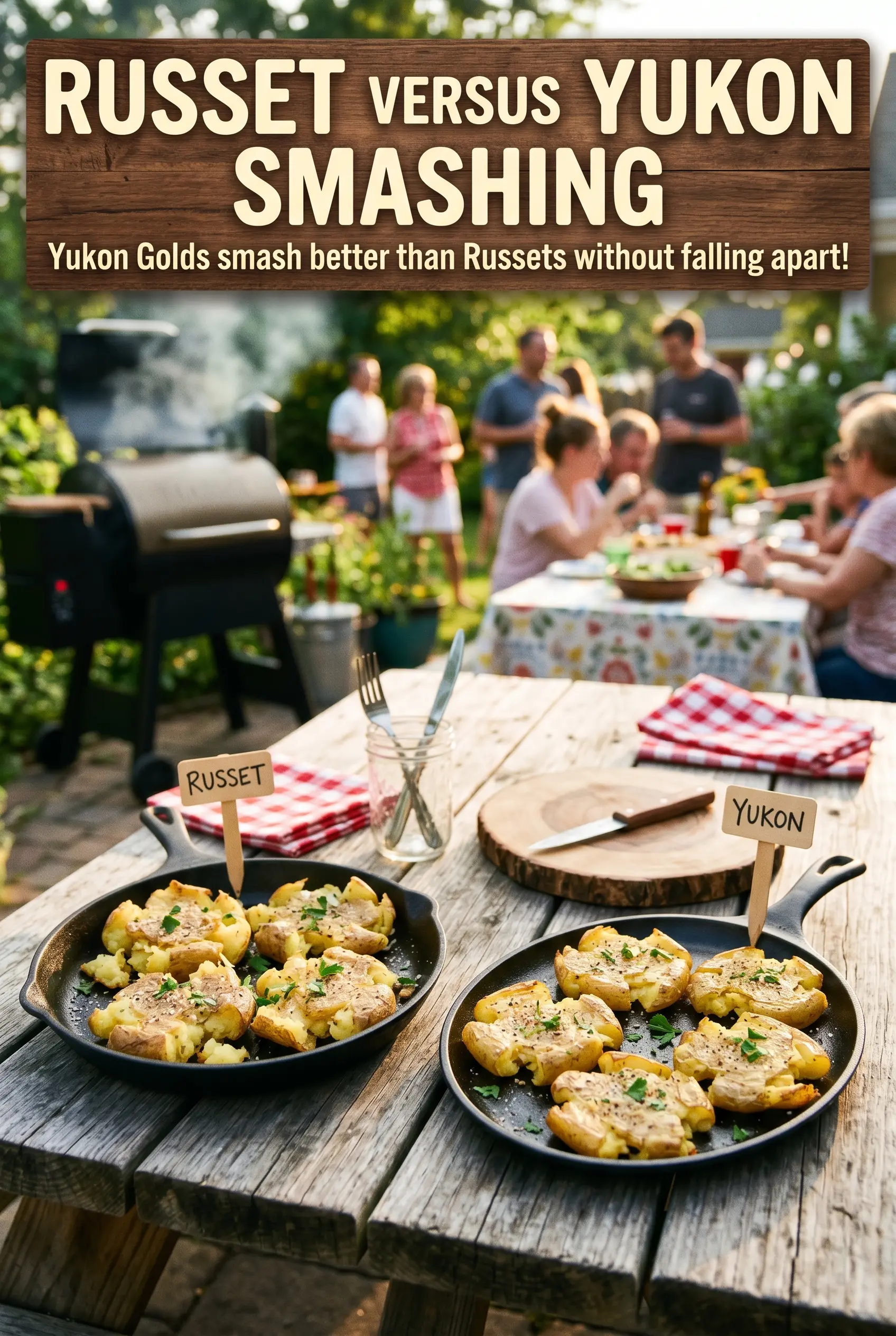
- Baby potatoes — Waxy baby potatoes hold together best after boiling and smashing. Yukon golds also work well. Avoid big russets unless you cut them into uniform chunks first, because they can break apart too easily.
- Olive oil and butter — Oil gives you a higher smoke point, while butter brings the flavor. Using both keeps the potatoes from burning before they get that crust.
- Garlic — Mince it fine so it perfumes the griddle quickly. If you add it too early, it scorches fast, so keep it moving around the potatoes instead of letting it sit directly under them.
- Cheddar, bacon, sour cream, and chives — These turn the potatoes into loaded griddle potatoes. Sharp cheddar melts best and gives the strongest flavor. The sour cream should go on at the end so it stays cool and creamy against the hot potatoes.
What Each Ingredient Is Actually Doing in These Griddle Potatoes
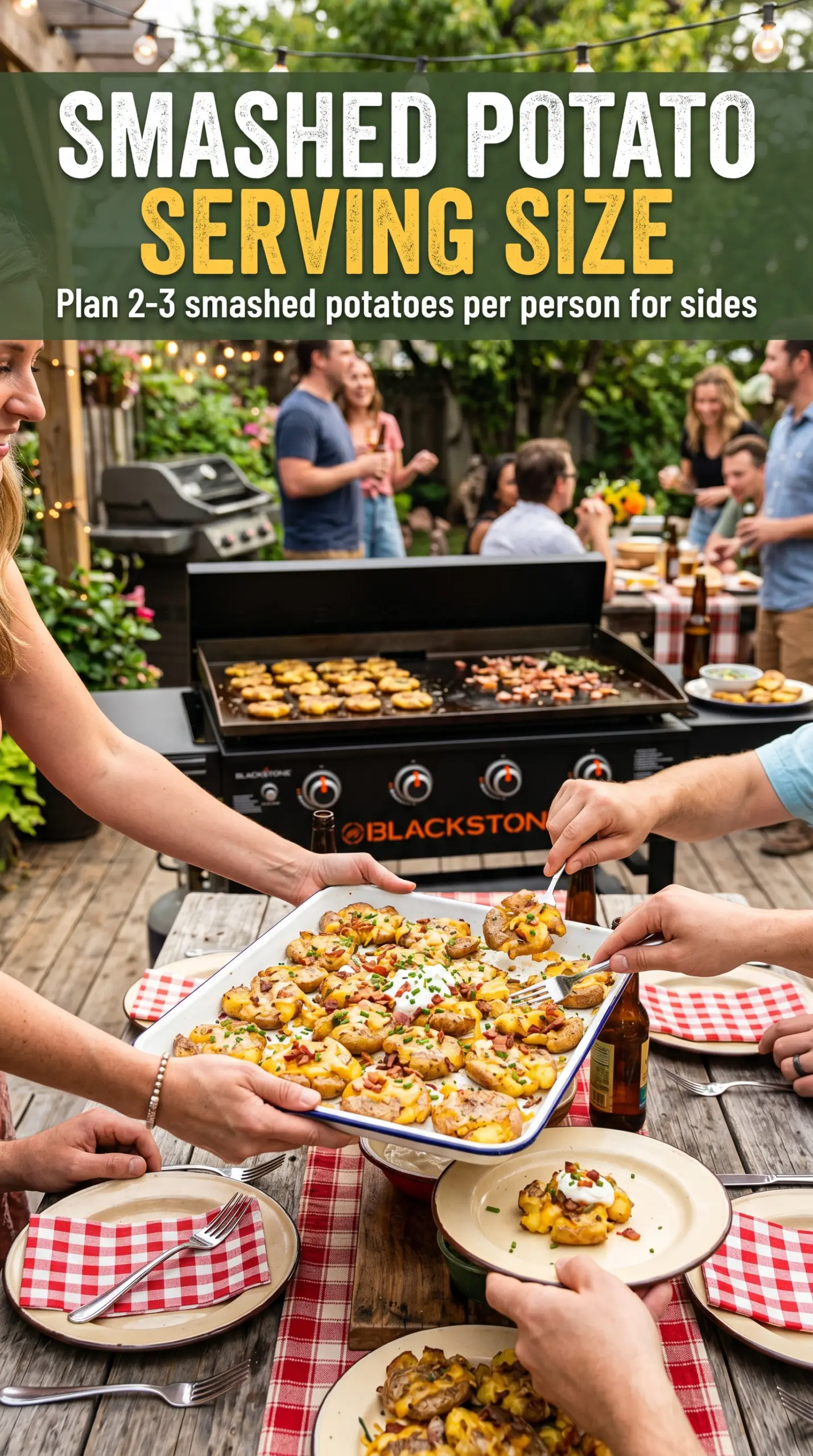
- Baby potatoes — Their waxy texture keeps them intact after boiling and smashing into neat, even rounds. Look for small, similar-sized potatoes so they cook evenly and brown at the same rate. If you use larger potatoes, cut them first so the centers don’t take twice as long as the edges.
- Olive oil — This gives the potatoes the direct contact crispness you want on a hot griddle. A neutral oil works too if that’s what you have, but olive oil gives a little more depth. Use enough to coat the griddle well; skimpy oil leads to sticking.
- Butter — Butter adds richness and helps the edges brown. If you use only butter, keep the heat controlled or it can go from golden to bitter fast. The combination of oil and butter is the real trick here.
- Garlic — Fresh minced garlic gives the best punch here. Pre-minced jar garlic works in a pinch, but it won’t taste as sharp or fragrant. The garlic should go in after the potatoes are smashed so it stays on the surface and perfumes the whole griddle.
- Sharp cheddar cheese — Sharp cheddar melts over the hot potatoes and gives the loaded topping its salty bite. Freshly shredded cheese melts more smoothly than bagged cheese, which often has anti-caking starch on it. The sharper the cheese, the less you need to make an impact.
- Bacon — Use bacon that’s cooked crisp and crumbled small so it stays crunchy on top of the cheese. Thick chunks can feel heavy and block the heat from melting everything underneath. The smoky saltiness of bacon is what makes these feel “loaded.”
- Sour cream — This adds a cooling, tangy contrast to the rich cheese and crispy potatoes. It should go on right at the end, after the second side is crisp, so it stays cool and doesn’t melt away. Cold sour cream against hot potatoes is essential.
- Fresh chives — These finish the dish with brightness and a subtle onion note. Dried chives taste dusty by comparison. If you don’t have fresh chives, use thinly sliced green onions or just skip this garnish rather than using the dried version.
- Salt and pepper — Season the potatoes as they cook and again when you add the toppings. The cheese brings salt too, so taste as you go.
What to Do So the Potatoes Smash Cleanly and Stay Crisp
Boil Until the Centers Just Yield
Cover the potatoes with salted water and simmer until a knife slides in with only a little resistance, about 15 to 20 minutes. You want them tender all the way through, but still intact enough to pick up without splitting. If they’re overcooked, they’ll collapse when you smash them and the edges won’t stay in one piece long enough to crisp.
Dry the Potatoes Before They Hit the Griddle
Drain them well and let the steam escape for a few minutes. Moisture is the enemy of browning, and a wet potato will stick and soften before it ever has a chance to crisp. If you have time, spread them out on a tray for a minute or two so the surface dries even more.
Smash, Then Let the Heat Work
Set the potatoes on the hot oiled-and-buttered griddle and press them flat with a heavy spatula. Don’t lift and fuss with them right away; once smashed, they need uninterrupted contact with the surface to build a crust. Sprinkle the garlic around them, not on top of the hottest center of the griddle, so it sizzles without burning.
Flip Only After the First Side Has Set
After 6 to 7 minutes, the edges should look deeply golden and the potatoes should release more easily from the griddle. If they stick, they need another minute. Flip carefully, then cook the second side for another 5 to 6 minutes until both sides are crisp and the centers are hot.
Add the Toppings at the End
Scatter the cheddar over the hot potatoes so it melts from the residual heat, then finish with bacon, sour cream, and chives. If you add the cheese too early, it can burn onto the griddle instead of melting over the potatoes. The final toppings should sit on top of the crust, not interfere with it.
Three Ways to Change the Finish Without Losing the Crunch
Vegetarian Loaded Griddle Potatoes
Skip the bacon and add extra cheddar, more chives, or a spoonful of caramelized onions if you have them. You’ll lose the smoky saltiness of bacon, but the potatoes still eat like a loaded side dish because the cheese and sour cream give them plenty of richness.
Dairy-Free Version
Use all olive oil instead of the butter and finish with dairy-free shredded cheese or skip the cheese entirely and lean on herbs, bacon, and a dollop of dairy-free sour cream. The potatoes will still crisp beautifully, but the finish will be a little less rich and a little more savory.
No Griddle, Same Crunch
A large cast-iron skillet works if you cook in batches and keep the heat at medium-high. The surface area is smaller, so don’t overcrowd it or the potatoes will steam. You’ll get the same crackly edges, just in fewer pieces at a time.
Storage and Reheating
- Refrigerator: Store leftovers in an airtight container for up to 3 days. They’ll soften a bit as they sit, but the flavor holds up well.
- Freezer: These freeze poorly once topped, because the sour cream and cheese don’t reheat cleanly. If you want to freeze them, freeze the plain cooked potatoes first, then add toppings after reheating.
- Reheating: Reheat on a hot skillet, griddle, or in a 425°F oven until the edges crisp again. The common mistake is microwaving them, which makes the crust soft and the potatoes rubbery.
Answers to the Questions Worth Asking
Griddle Smashed Potatoes
Ingredients
Equipment
Method
- Boil baby potatoes until tender, about 15–20 minutes, then drain and cool slightly so they can be handled.
- Heat a griddle to medium-high and add olive oil and butter, letting the butter melt and foam.
- Place baby potatoes on the griddle and smash completely flat with a heavy spatula so they form wide, even rounds.
- Add minced garlic around the potatoes and cook for 6–7 minutes until a crispy golden crust forms on the bottoms.
- Flip the potato rounds and cook another 5–6 minutes until both sides are crispy.
- Top the crispy potato rounds with shredded cheddar cheese, cooked bacon, sour cream, and chopped chives before serving.