Sticky, charred Grilled Huli Huli Chicken hits the sweet spot between smoky grill marks and a glossy Hawaiian-style glaze that clings to every bite. The skin and edges get deeply caramelized while the inside stays juicy, which is exactly why this one earns a permanent place in the rotation.
The trick is in the balance: soy sauce for salt, brown sugar for that lacquered finish, pineapple juice for brightness, and just enough ketchup to round everything out without making the sauce taste like barbecue. Turning the chicken often is part of the method, not a fussy extra. It keeps the sugars from scorching and helps build that sticky, even coating that makes huli huli chicken so good.
Below, I’ve included the timing that matters most, the marinade swap that still gives you good flavor if you’re missing sherry, and a few ways to adjust the heat and sweetness without losing the character of the dish.
The marinade gave the chicken that glossy, sticky coating I was hoping for, and turning it often kept the brown sugar from burning. My husband kept picking at the caramelized edges before dinner even hit the table.
Save this Grilled Huli Huli Chicken for the nights when you want sticky, charred island-style chicken with a sweet-savory glaze.
The reason this glaze stays sticky instead of burning
Huli Huli Chicken can go from beautifully caramelized to scorched in a minute if the heat is too high. The sugar in the marinade is doing the heavy lifting here, but sugar needs moderate heat and frequent turning to form that shiny crust without turning bitter. Medium heat gives you time to build color while the chicken cooks through, especially on thighs and legs where the meat stays forgiving and juicy.
The other mistake people make is basting too early with all of the marinade. That raw marinade needs its own reserved portion so you’re not brushing uncooked chicken juices back onto the finished meat. Keeping half back for basting gives you a clean, glossy finish and better control over the glaze as it thickens on the grill.
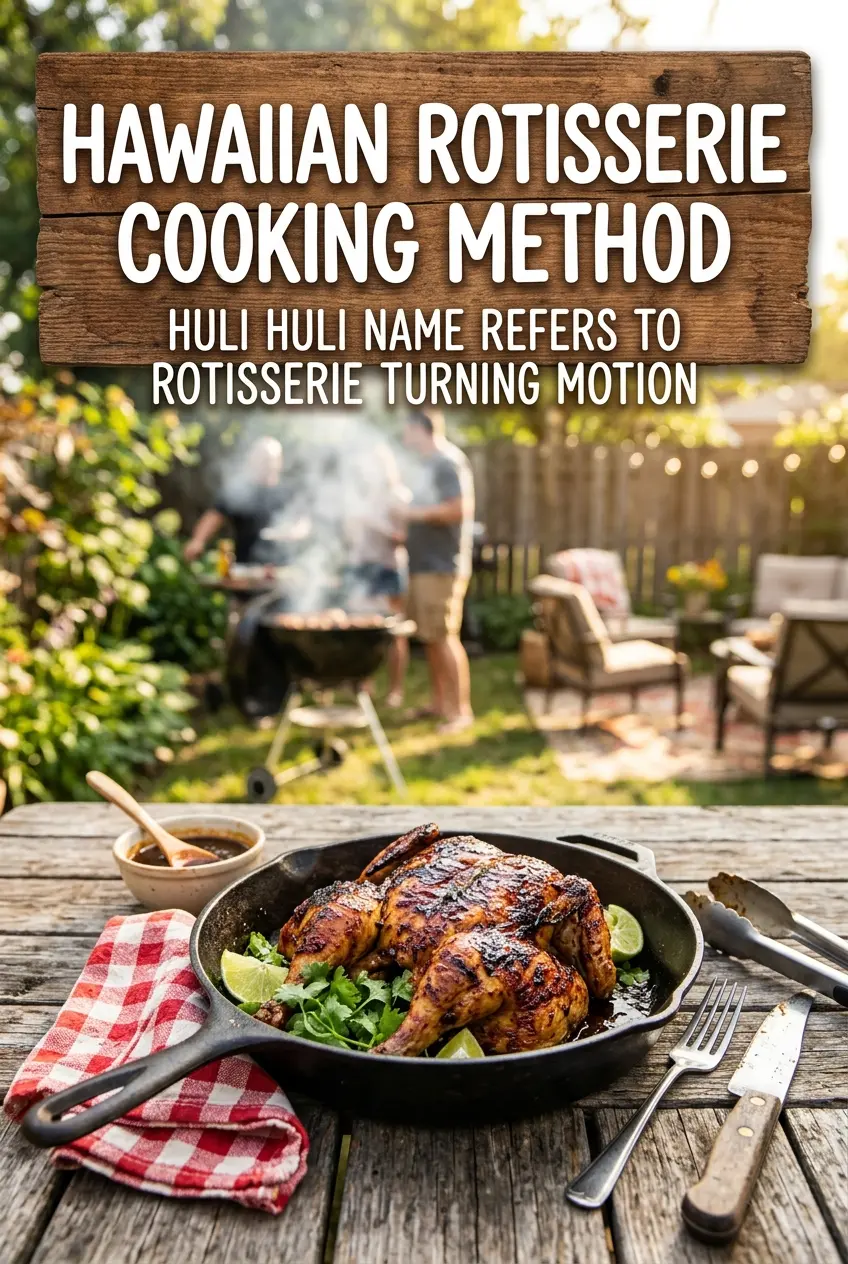
- Turn often: That’s what “huli” means, and it keeps the sugar from burning on one side before the center cooks.
- Use medium heat: If the grill is screaming hot, the outside will blacken before the thighs hit 165°F.
- Reserve the basting sauce: Once marinade touches raw chicken, it’s done for basting unless you boil it first.
What each part of the marinade is really doing
- Soy sauce: This is the salty backbone and gives the chicken that deep, savory edge. Low-sodium soy sauce works if that’s what you keep on hand, but regular soy sauce gives the fullest flavor.
- Brown sugar: This is what makes the glaze sticky and burnished. Light brown sugar is fine; dark brown sugar gives a deeper molasses note and a darker finish.
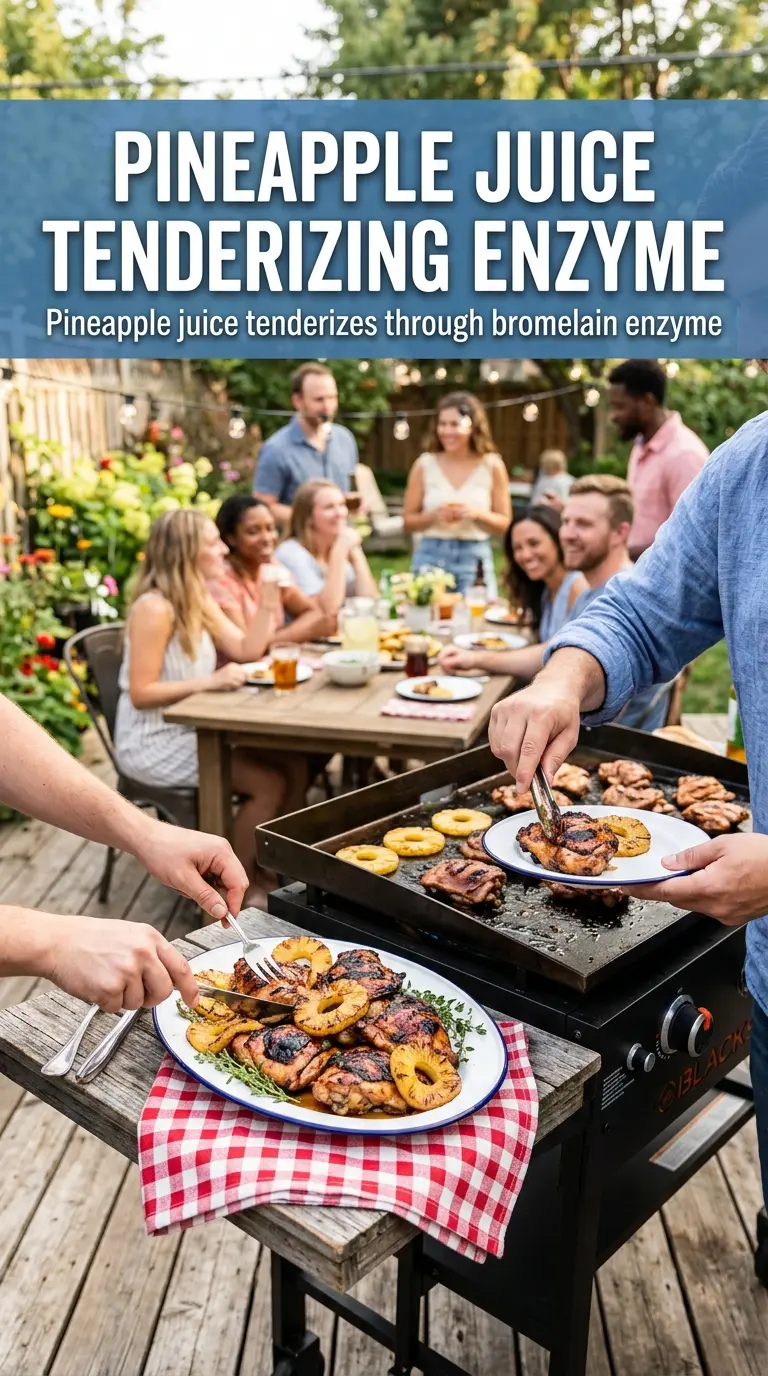
- Pineapple juice: It adds brightness and helps the marinade taste unmistakably Hawaiian-style. Fresh or canned both work, but unsweetened juice is best so the glaze doesn’t turn cloying.
- Ginger and garlic: These keep the sauce from tasting one-note sweet. Grate the ginger finely so it disappears into the marinade instead of clumping on the grill.
- Sherry or chicken broth: Sherry adds a little roundness and depth. If you skip it, use broth for a milder finish that still keeps the marinade fluid enough to coat the chicken.
Getting the chicken glazed without scorching the sugars
Mix the marinade until the sugar dissolves
Whisk the marinade hard enough that the brown sugar starts dissolving instead of sinking to the bottom. You want a thick, smooth mixture with no gritty patches, because undissolved sugar tends to stick and burn unevenly on the grill. Reserve half now, before the chicken goes in, so you have a clean basting sauce later.
Let the chicken marinate long enough to season through
Two hours gives you good flavor, and up to eight hours gives you a deeper, more saturated taste. Don’t push it much longer than that or the pineapple and ginger can start to make the surface texture a little soft. Thighs and legs hold up best here because they stay juicy even after a longer soak.
Grill with steady turning and light basting
Lay the chicken over medium heat and turn it every few minutes instead of waiting for one side to fully finish. That frequent movement is what builds the classic huli huli look: lacquered, evenly browned, and charred in spots without blackening. Baste during the last part of cooking so the glaze can thicken on the surface instead of running off into the flames.
Cook to temperature, not just color
The chicken should read 165°F at the thickest part before it comes off the grill. If the outside looks done but the center is still under temperature, move the pieces to a cooler part of the grill and keep going. The glaze will keep darkening while it rests, so pull it when it’s deeply golden and sticky, not when it looks perfectly finished on the fire.
Ways to change the marinade without losing the island-style character
Make it gluten-free
Swap the soy sauce for tamari or a certified gluten-free soy sauce. The flavor stays in the same lane, and the biggest difference is just a slightly cleaner saltiness.
Use chicken breasts instead of thighs
You can use breasts, but they cook faster and dry out more easily. Pound them to an even thickness and start checking temperature early so they stay juicy under the glaze.
Reduce the sweetness
Cut the brown sugar back by 2 to 3 tablespoons if you want a more savory finish. The glaze will still caramelize, just with less stickiness and a little more room for the ginger and garlic to come forward.
Oven finish for bad weather
Sear or grill the chicken until it has color, then finish it in a 400°F oven until it reaches temperature. You won’t get quite the same smoky char, but you’ll still get a glossy, sticky finish without standing outside in the rain.
Storage and Reheating
- Refrigerator: Store leftovers for up to 4 days. The glaze will set up a little more as it chills.
- Freezer: It freezes well for up to 2 months. Wrap tightly and freeze with a little of the sauce so the chicken doesn’t dry out.
- Reheating: Reheat covered in a 325°F oven until warmed through, or use short bursts in the microwave. High heat dries out the edges and can make the sugar go hard instead of sticky.
Questions I Get Asked About This Recipe
Grilled Huli Huli Chicken
Ingredients
Equipment
Method
- Whisk together soy sauce, brown sugar, ketchup, pineapple juice, sherry or chicken broth, grated ginger, minced garlic, and sesame oil until the sugar dissolves.
- Reserve 1/2 cup of the marinade for basting so you have sweet-savory glaze for the grill.
- Submerge the chicken thighs or legs in the remaining marinade and marinate for 2-8 hours.
- Preheat the grill to medium heat, then place the chicken on the grate and cook while turning (huli) frequently.
- Baste the chicken with the reserved 1/2 cup marinade during grilling so it becomes charred and sticky.
- Cook for 25-30 minutes total, until the internal temperature reaches 165°F and the glaze is caramelized.