Lean meatloaf can still slice cleanly, hold together, and come to the table with a glossy tomato glaze that tastes like the comfort-food version you remember. The difference is in the balance: enough moisture from grated vegetables and milk to keep the crumb tender, enough oats to bind without making it dense, and just enough seasoning to bring the meat forward instead of burying it.
Grating the onion and vegetables matters here because they melt into the loaf as it bakes instead of leaving chunky pockets that can make slices fall apart. Squeezing the zucchini dry keeps the mixture from turning watery, and the quick glaze of tomato paste, honey, and vinegar gives you that familiar sweet-tangy top without a heavy sugar load.
Below, I’ll walk through the one prep step that keeps this meatloaf from turning mushy, what to swap if you’re using turkey instead of beef, and how to store leftovers so the slices reheat without drying out.
The texture was spot on — not dense at all, and the zucchini disappeared into the loaf. I used turkey and it still held together beautifully after the full rest time.
Save this healthy meatloaf for a lean, vegetable-packed dinner with a clean tomato glaze and tender slices every time.
The Reason Lean Meatloaf Stays Tender Instead of Turning Dry
Most dry meatloaf happens for one of two reasons: too little moisture or too much mixing. This version solves both by using grated vegetables and milk for softness, then stopping as soon as the ingredients are evenly combined. Once the oats hydrate in the mix, they give the loaf structure without the heavy, breadcrumb-like texture that can make a lean meatloaf feel bready.
The other trap is overbaking. Lean beef and turkey both tighten quickly, so the loaf needs to come out when the center hits 160°F, then rest before slicing. That resting time matters because the juices settle back into the loaf instead of running out onto the cutting board.
- Lean ground beef or ground turkey — Both work, but turkey needs the moisture from the vegetables and milk even more. If you use turkey, don’t skip the rest period; it’s what helps each slice hold together.
- Rolled oats — They absorb moisture and bind the loaf without making it dense. Quick oats will work in a pinch, but they soften faster and give a slightly finer texture.
- Grated zucchini and carrot — These disappear into the loaf and keep the crumb tender. The zucchini has to be squeezed dry first, or the loaf can turn soft in the middle and refuse to slice cleanly.
- Worcestershire sauce — This gives the meatloaf depth and a savory edge that makes lean meat taste fuller. There isn’t a perfect substitute here, but soy sauce plus a tiny splash of vinegar can stand in if needed.
Building the Loaf So It Bakes Up Cleanly
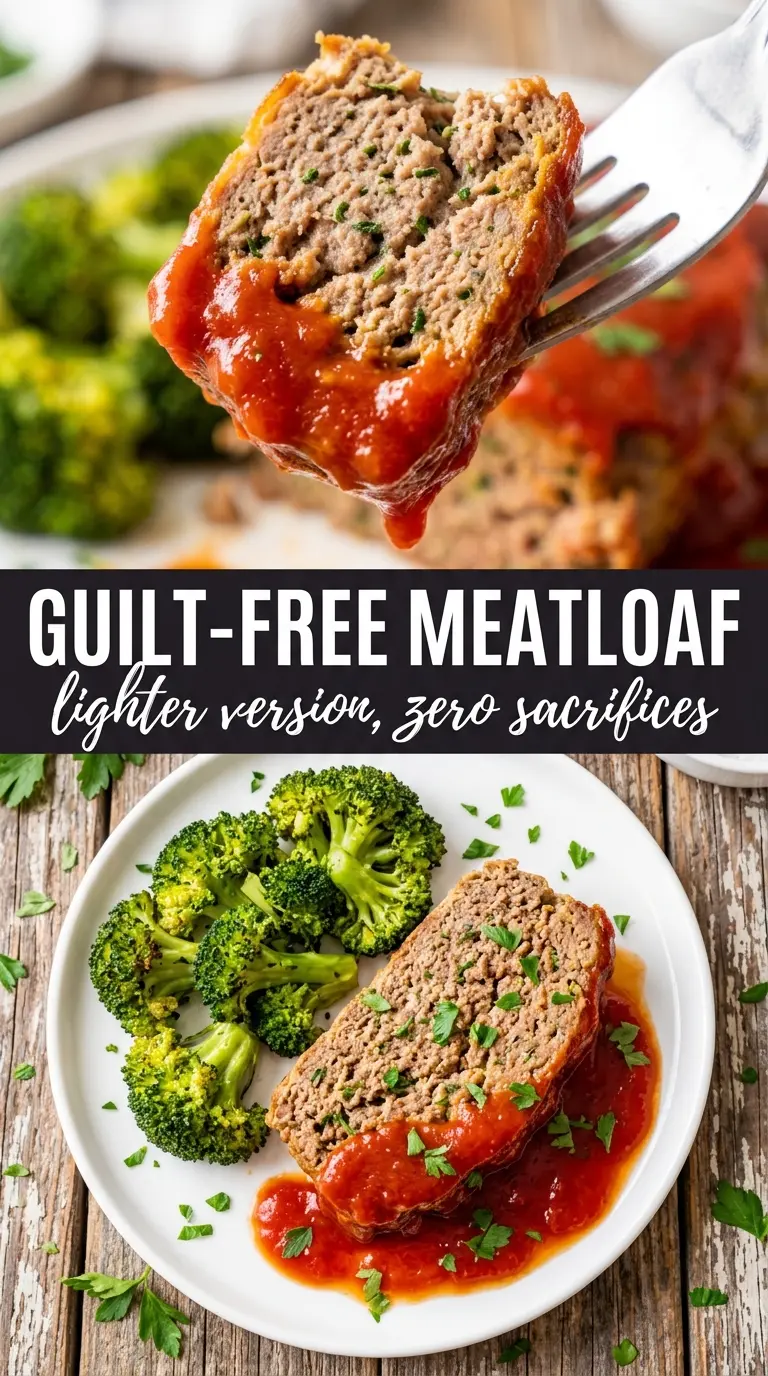
- Ground meat — Choose 90/10 beef for the richest flavor with less grease, or use ground turkey for a lighter finish. If you use turkey, expect a milder taste and lean on the glaze and Worcestershire for more character.
- Onion, carrot, and zucchini — Grating is the trick. Small pieces melt into the loaf, so you get moisture and body without obvious vegetable chunks.
- Eggs and milk — They hold everything together and keep the texture soft. Whole milk gives the best result, but 2% works if that’s what you have.
- Tomato glaze — Tomato paste gives the glaze body, honey rounds out the acidity, and apple cider vinegar keeps it from tasting flat. Brush or spread it over the top before baking so it caramelizes instead of sitting like sauce.
The Part Where the Meatloaf Sets Up and Stays Juicy
Mix the Base Gently
Combine the meat, oats, eggs, milk, vegetables, garlic, Worcestershire, thyme, salt, and pepper in a large bowl and stop mixing as soon as everything looks even. If you work it like dough, the loaf turns dense and springy instead of tender. Cold hands help here, but the real key is simply not overhandling it.
Press and Shape Without Packing It In
Transfer the mixture to the parchment-lined loaf pan and press it in lightly so there aren’t air pockets. You want it compact enough to slice, but not smashed down into a brick. A tight pack traps steam and can make the center soft, so use just enough pressure to level the top.
Glaze Before It Goes In
Stir together the tomato paste, honey, and vinegar, then spread it over the top in an even layer. It should look like a thick paste, not a pourable sauce. If it’s too thin, it will slide off and burn at the edges instead of forming a glossy top.
Bake Until the Center Reaches Temperature
Bake at 350°F until the internal temperature reaches 160°F, usually 55 to 65 minutes. Don’t judge this one by color alone, because lean meatloaf can look done before it actually is. The thermometer is what keeps you from serving a dry loaf that’s been overcooked just to be safe.
Rest Before Slicing
Let the loaf rest for 10 minutes before cutting into it. That short pause keeps the juices from flooding out the moment the knife goes in. If you slice too early, even a well-made meatloaf can look crumbly and dry on the plate.
How to Adjust This Healthy Meatloaf Without Losing the Tender Crumb
Turkey Meatloaf for a Lighter Finish
Use ground turkey in place of the beef for a leaner loaf. Because turkey has less fat, the grated zucchini and milk matter even more, and the loaf benefits from the full rest time before slicing. The flavor stays mild, so don’t skimp on the garlic, thyme, and glaze.
Gluten-Free Version With Oats
This recipe is already naturally gluten-free if you use certified gluten-free oats and a Worcestershire sauce that’s labeled gluten-free. The oats keep the loaf from getting heavy, so don’t swap them for almond flour or coconut flour, which change the moisture balance and can make the texture sandy.
Dairy-Free Adjustment
Swap the milk for unsweetened plain oat milk or another neutral plant milk. Keep it unsweetened and unflavored so the glaze and vegetables stay in charge. The texture stays close to the original as long as the zucchini is squeezed dry.
Make-Ahead and Leftovers
You can mix and shape the loaf up to 24 hours ahead, cover it tightly, and refrigerate it until baking time. Leftover slices reheat well for lunches, and the flavor actually deepens by the next day.
Storage and Reheating
- Refrigerator: Store sliced meatloaf in an airtight container for up to 4 days. The texture stays best when it’s cooled before sealing so condensation doesn’t soften the crust.
- Freezer: Freeze individual slices wrapped tightly and placed in a freezer bag for up to 3 months. Thaw in the refrigerator overnight for the cleanest reheat.
- Reheating: Warm slices covered in a 300°F oven with a spoonful of water or extra glaze for 10 to 15 minutes, or microwave in short bursts. The biggest mistake is blasting it uncovered, which pulls the moisture right out of the lean meat.
Answers to the Questions Worth Asking
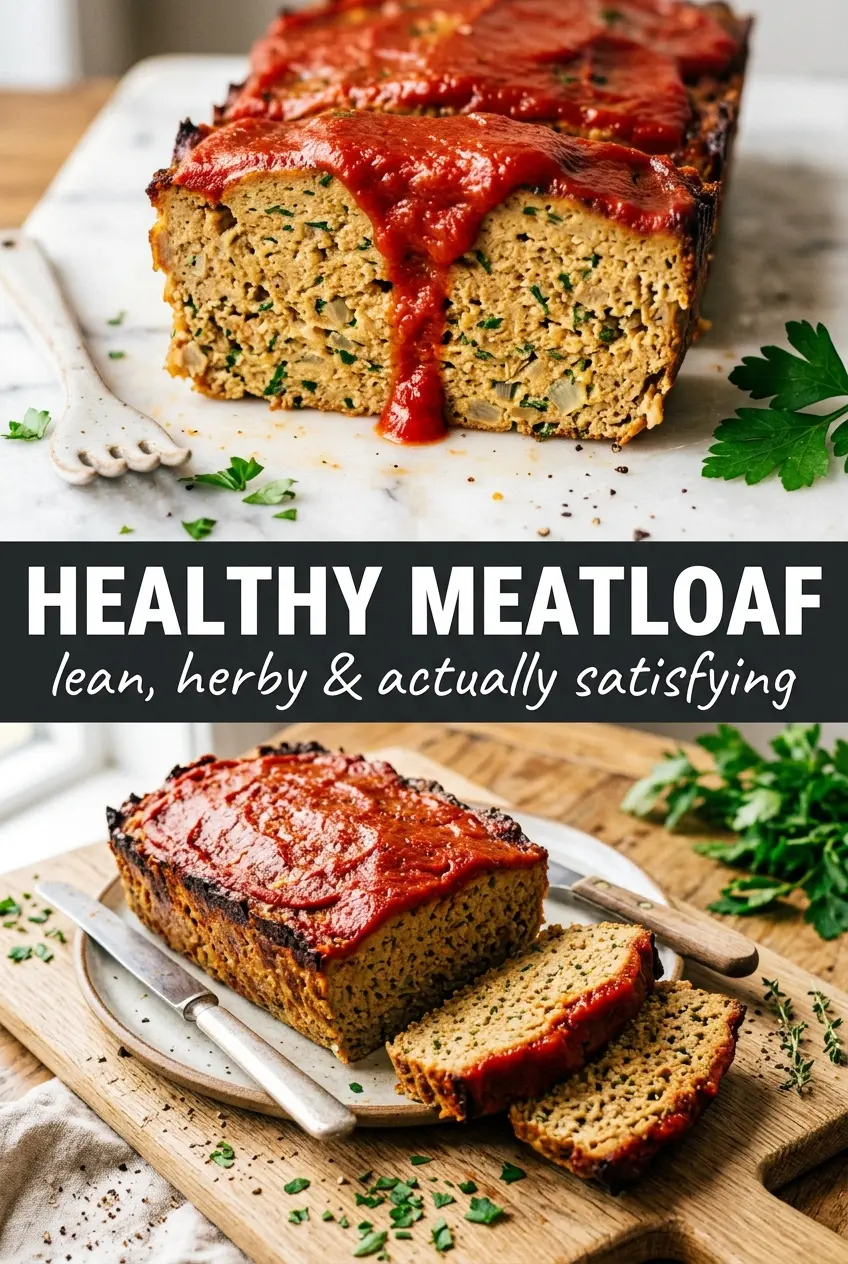
Healthy Meatloaf with Clean Tomato Glaze
Ingredients
Equipment
Method
- Preheat the oven to 350°F and line a loaf pan with parchment so the meatloaf releases cleanly.
- Combine lean ground beef (90/10) or ground turkey, rolled oats, eggs, whole milk, grated onion, grated carrot, squeezed-dry zucchini, minced garlic, Worcestershire sauce, dried thyme, salt, and pepper in a bowl until evenly mixed.
- Press the mixture firmly into the prepared loaf pan to help it slice neatly.
- Mix tomato paste, honey, and apple cider vinegar, then spread the glaze evenly over the top.
- Bake at 350°F for 55–65 minutes, until the internal temperature reaches 160°F, with a browned top visible through the glaze.
- Rest the meatloaf for 10 minutes before slicing so the juices set and the texture stays tender.