Glossy, sticky chicken kabobs with charred edges and sweet-savory glaze are the kind of dinner that disappears fast. The chicken stays juicy, the peppers soften just enough to pick up a little smoke, and the pineapple gives each bite a bright burst that keeps the whole skewer from feeling heavy. This version earns its spot because the marinade works as both flavor base and basting sauce, so every turn on the grill builds more of that lacquered finish.
The balance matters here. Honey brings shine and caramelization, soy sauce supplies salt and depth, rice vinegar keeps the glaze from tasting flat, and sesame oil adds that nutty background note you’d miss immediately if it were left out. I also like reserving part of the marinade before the chicken goes in, because brushing raw chicken marinade over cooked kabobs is a mistake worth avoiding. The reserved portion gives you the same sticky finish without the food-safety worry.
Below you’ll find the small things that make these kabobs work on the grill: how long to marinate without making the chicken mushy, why pineapple belongs on the skewer, and what to do if you’re cooking these indoors instead.
The chicken came off the grill juicy and the glaze turned sticky instead of burning. I let it marinate for about 2 hours and the pineapple picked up just enough char to balance the honey.
Honey Garlic Asian Chicken Kabobs get their sticky glaze and grilled edges just right when you reserve part of the marinade and baste at the end.
The Secret to Sticky Kabobs Without Burning the Glaze
The biggest risk with honey-based kabobs is simple: the outside burns before the chicken cooks through. That happens when the heat is too aggressive from the start or when all of the marinade goes on the grill at once. The better approach is to cook over medium-high heat, give the chicken a little head start, and only baste with the reserved marinade near the end so the sugars can caramelize instead of scorch.
Cutting the chicken and vegetables into similar-sized pieces matters more than people think. If the chicken cubes are much larger than the peppers and onions, the skewer cooks unevenly and the vegetables turn floppy before the meat is ready. Pineapple also needs to be in decent-sized chunks so it holds together and doesn’t collapse into the grates.
What Each Ingredient Is Actually Doing in These Kabobs
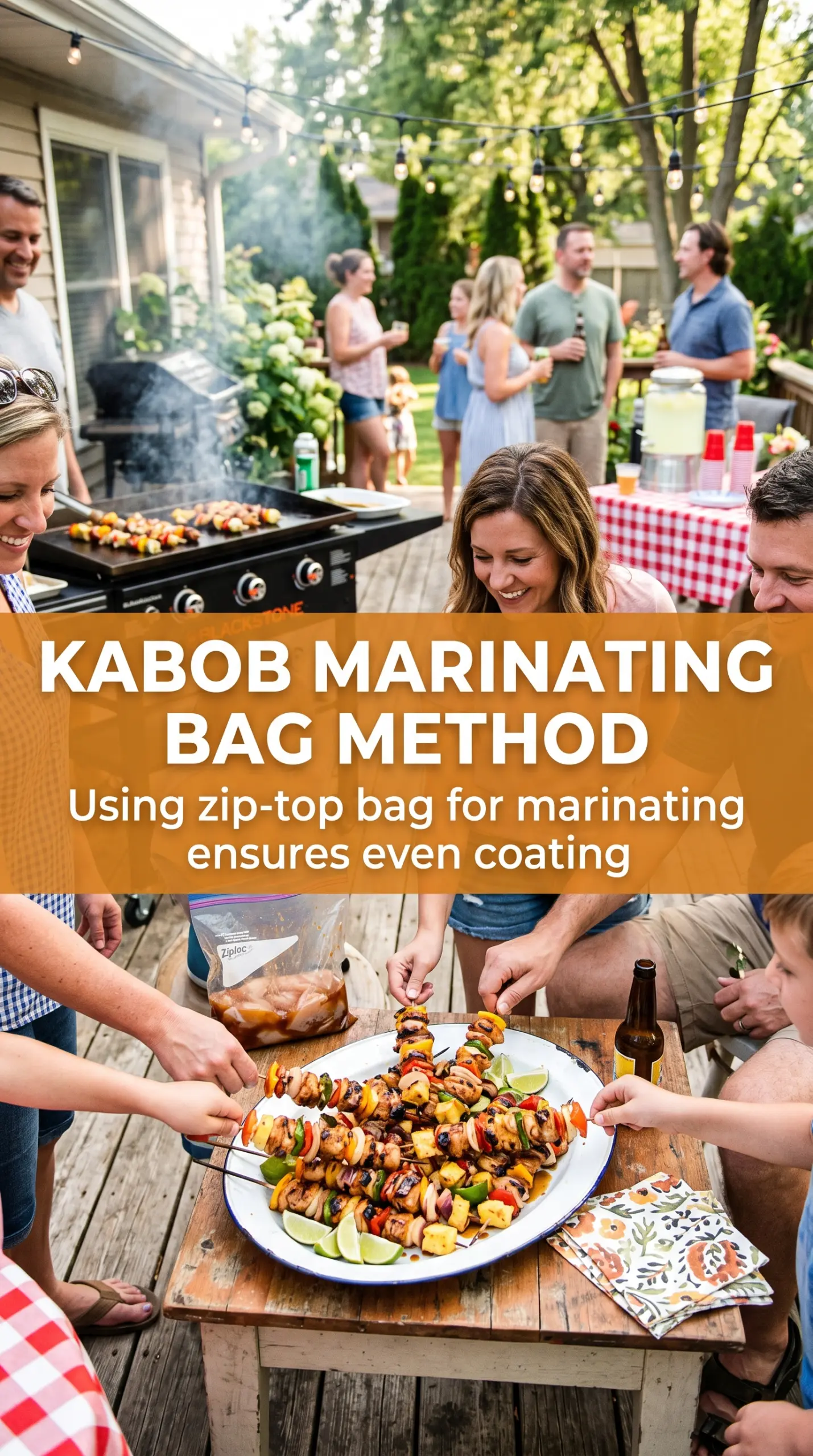
- Chicken breasts — Breasts stay lean and take on the glaze cleanly, but they dry out fast if you overcook them. Cut them into even cubes so they cook at the same rate, and don’t marinate much beyond 4 hours or the texture starts to go soft on the outside.
- Honey — This is what gives the kabobs that shiny, sticky finish. There isn’t a true substitute for the caramelizing effect, but maple syrup works in a pinch if you want a slightly deeper, less floral sweetness.
- Soy sauce — Soy gives the marinade salt, color, and that savory backbone that keeps the honey from tasting one-note. Use regular soy sauce for the best balance; low-sodium works if that’s what you keep on hand, but the glaze will be a little lighter.
- Rice vinegar — A small amount keeps the marinade bright and keeps the finished kabobs from tasting heavy. Don’t swap in balsamic or apple cider vinegar unless you want a different dish entirely.
- Sesame oil and ginger — These are background notes, but they make the whole thing taste intentional. Toasted sesame oil is worth using here because the flavor shows up in the final glaze; fresh ginger should be finely grated so it disappears into the marinade instead of clinging in shreds.
- Pineapple — The fruit brings sweetness and acidity, and it caramelizes beautifully next to the chicken. Canned pineapple works if you drain it well, but fresh gives you better texture and cleaner edges on the grill.
Building the Skewers So Everything Finishes at the Same Time
Whisking the Marinade
Combine the honey, soy sauce, garlic, rice vinegar, sesame oil, and ginger until the honey fully loosens into the liquid. If you leave streaks of honey behind, the glaze won’t coat evenly and it can scorch in spots on the grill. Reserve 1/4 cup before adding the chicken so you have a clean basting sauce later.
Marinating the Chicken
Add the cubed chicken to the marinade and let it sit for 1 to 4 hours. Less than an hour and the flavor stays on the surface; much longer than 4 hours and the acid starts to change the texture in a way that feels a little mushy at the edges. Keep it chilled the whole time.
Threading the Skewers
Build each skewer with chicken, peppers, onions, and pineapple in a steady pattern so the heat reaches everything evenly. Press the pieces close together, but don’t pack them so tightly that steam gets trapped between them. If you’re using wooden skewers, soak them long enough that they don’t scorch before the chicken is done.
Grilling and Basting
Lay the kabobs on a medium-high grill and turn them after about 5 to 6 minutes per side. The chicken should feel firm, the edges should have deep grill marks, and the glaze should look shiny rather than wet. Brush on the reserved marinade during the last few minutes, not at the beginning, or the honey will darken too fast and taste bitter.
Finishing with Garnish
Let the kabobs rest for a couple of minutes after they come off the grill, then scatter sesame seeds and sliced green onions over the top. That short rest keeps the juices inside the chicken instead of spilling onto the plate the second you pull the skewers apart. The garnish adds crunch and freshness, which the sticky glaze needs.
Three Ways to Make These Kabobs Fit Your Table
Swap in chicken thighs for a richer result
Thighs stay juicier on the grill and handle a little more char, so they’re the better choice if you’re worried about breast meat drying out. They take the same marinade and cook time, but they’ll taste a bit deeper and less lean.
Make it gluten-free without losing the glaze
Use tamari or a certified gluten-free soy sauce in place of regular soy sauce. The flavor stays close, and the honey still caramelizes the same way, so you won’t lose the sticky finish people want from these kabobs.
Skip the grill and use a broiler
Set the skewers on a lined sheet pan and broil them close to the heat, turning once and watching carefully for browning. You’ll lose a little smoke flavor, but the glaze still tightens up nicely and the edges char in a way that feels close to grilled.
Keep the sweetness in check
If you like a less sweet glaze, reduce the honey slightly and add a touch more rice vinegar. The kabobs will still caramelize, but the finish will lean more savory and bright instead of sticky-sweet.
Storage and Reheating
- Refrigerator: Store leftovers in an airtight container for up to 3 days. The vegetables soften a bit, but the flavor holds well.
- Freezer: The cooked chicken freezes fine, but the peppers, onions, and pineapple get softer after thawing. Freeze only if you’re okay with a less crisp texture.
- Reheating: Reheat gently in a 300°F oven or in a skillet over low heat until warmed through. High heat dries the chicken and makes the glaze sticky in the wrong way, so go slow.
Answers to the Questions Worth Asking
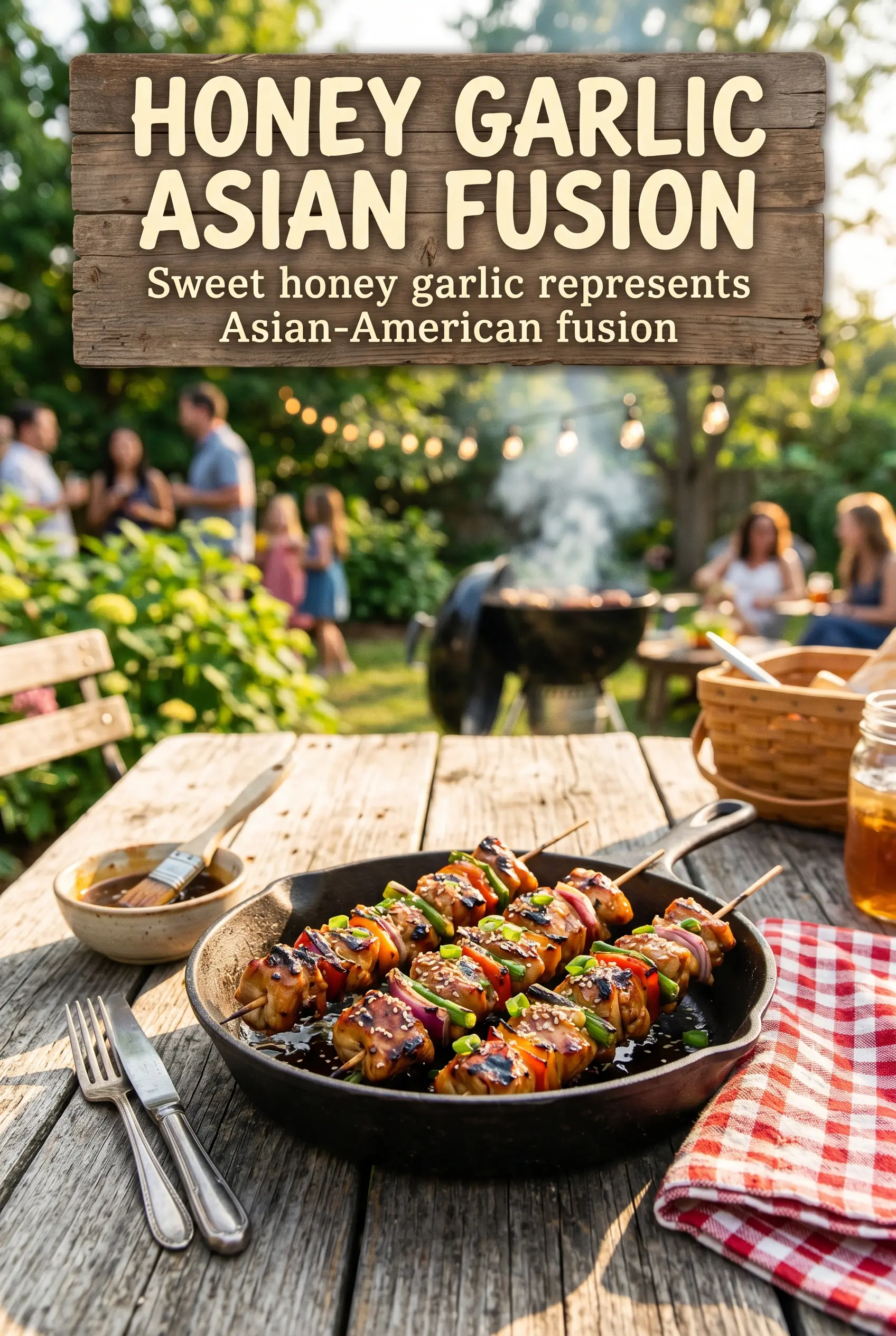
Honey Garlic Asian Chicken Kabobs
Ingredients
Equipment
Method
- Whisk honey, soy sauce, minced garlic, rice vinegar, sesame oil, and grated ginger until smooth and glossy.
- Measure and reserve 1/4 cup of the marinade in a separate container for basting during grilling.
- Marinate the cubed chicken for 1-4 hours, fully coating it in the sweet soy mixture and refrigerating during the rest time.
- Thread the marinated chicken, bell pepper and onion chunks, and pineapple chunks onto soaked wooden skewers, leaving a little space between pieces for even browning.
- Preheat the grill to medium-high heat and grill the skewers for 5-6 minutes per side, turning once to build a caramelized crust.
- Baste with the reserved 1/4 cup marinade during grilling, brushing the skewers visibly as they cook for a shiny honey-garlic finish.
- Remove kabobs to a serving platter and garnish with sesame seeds and sliced green onions for a fresh, high-contrast finish.