Grilled salmon with crisp skin and tender, flaky flesh is one of those meals that looks simple on paper and still manages to turn out memorable when it’s done right. The trick is getting enough heat for color without overcooking the center, and keeping the fish on the grates long enough to release cleanly before you try to turn it. When that balance lands, the salmon comes off the grill with a lightly smoky edge, juicy layers, and a finish that tastes clean rather than heavy.
This version leans on a short olive oil, lemon, and garlic marinade to season the fish without masking it. The salmon rests just long enough to pick up flavor, but not so long that the lemon starts to change the texture. Skin-on fillets matter here because the skin helps protect the flesh and gives you a built-in barrier against sticking, especially once the grates are well oiled.
Below, I’m walking through the small details that matter most: how to prep the fish so it doesn’t cling to the grill, when to leave it alone, and how to tell the difference between perfectly cooked salmon and fish that’s gone a minute too far.
The skin got crisp without sticking, and the salmon stayed juicy all the way through. I was nervous about grilling fish, but the 15-minute rest and not moving it made all the difference.
Grilled salmon with crispy skin and lemon-dill finish deserves a spot in your weeknight rotation.
The Reason Salmon Sticks, Splits, or Dries Out on the Grill
The most common grilled salmon mistake is trying to move it too soon. Skin-on fillets need time against the hot grates to form a crust and release on their own; if you force the flip early, the fish tears and leaves half its skin behind. Let the grill do the work. Once the underside has seared properly, the salmon will lift with much less resistance.
The other mistake is cooking over a grill that’s hot enough to char the outside before the center has any chance to catch up. Medium-high heat gives you that balance of color and control. A brief rest before grilling also helps the fish season evenly, but don’t leave it in the lemon mixture for long enough to start curing the surface.
- Skin-on fillets — The skin protects the delicate flesh and makes flipping much easier. Skinless salmon can work, but it’s more likely to fall apart on the grill.
- Olive oil — This helps the seasonings cling and keeps the surface from drying out. A neutral oil also works, but olive oil adds a little more flavor.
- Lemon juice — Use enough to brighten the salmon, not enough to marinate it for hours. Too much acid, too long, and the surface starts to go soft.
- Fresh dill — It’s the clean, herbal finish that makes the fish taste fresh instead of heavy. Dried dill won’t give you the same lift here.
What the Marinade Is Really Doing to the Fish
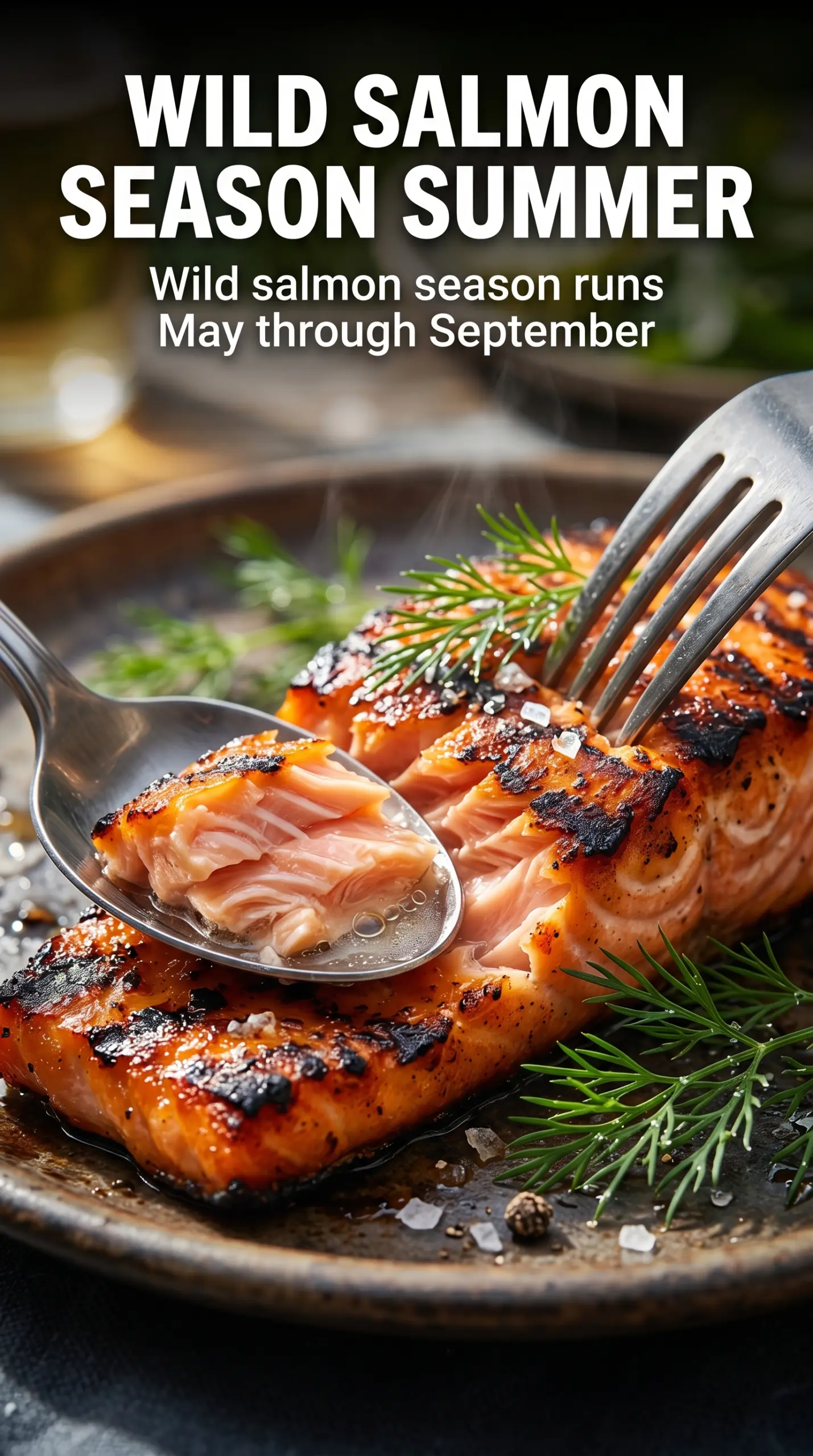
The olive oil keeps the surface from sticking and helps carry the garlic and lemon across the fish. Garlic adds a little depth, but it needs the oil to spread evenly or it can scorch on the grill. If your garlic pieces are large, mince them fine; big bits burn before the salmon is done.
The salmon itself doesn’t need a heavy marinade to taste good. It needs salt, a little acid, and direct heat. That’s why the short 15-minute rest works: it seasons the exterior without changing the texture into something soft or cured.
- Olive oil — Use a good one if you can taste the difference, since it’s one of the few ingredients in the marinade. There’s no point hiding a cheap oil here.
- Garlic — Fresh garlic is best because it perfumes the fish without making the dish taste flat. Garlic powder can work in a pinch, but it won’t have the same clean bite.
- Salt and pepper — These are doing more work than they seem to. Salt pulls the salmon flavor forward, and pepper gives you a little edge against the richness.
Getting the Salmon Off the Grill in One Piece
Dry the Surface First
Pat the salmon dry before you brush on the marinade. Moisture on the surface is what keeps you from getting a good sear, and it makes sticking much more likely. You want the fish lightly coated, not wet and slippery. After seasoning, let it sit for 15 minutes while the grill heats so the surface can lose a little more moisture and take the heat better.
Heat and Oil the Grates Well
Preheat the grill to medium-high and brush the grates with oil right before the salmon goes on. If the grates are only lukewarm, the fish can fuse to them before a crust forms. A properly heated grill should sizzle as soon as the salmon hits it. If the grill runs hot in one spot and cool in another, put the thicker fillets over the hotter section and the thinner pieces where the heat is gentler.
Leave the First Side Alone
Set the salmon skin-side down and don’t move it for 6 to 8 minutes. This is the part that feels wrong if you’re used to checking food constantly, but moving it too early is how you tear the skin. Watch for the edges to turn opaque and the salmon to release more easily from the grate. Once it lifts without resistance, you’re ready for the flip.
Finish to the Right Temperature
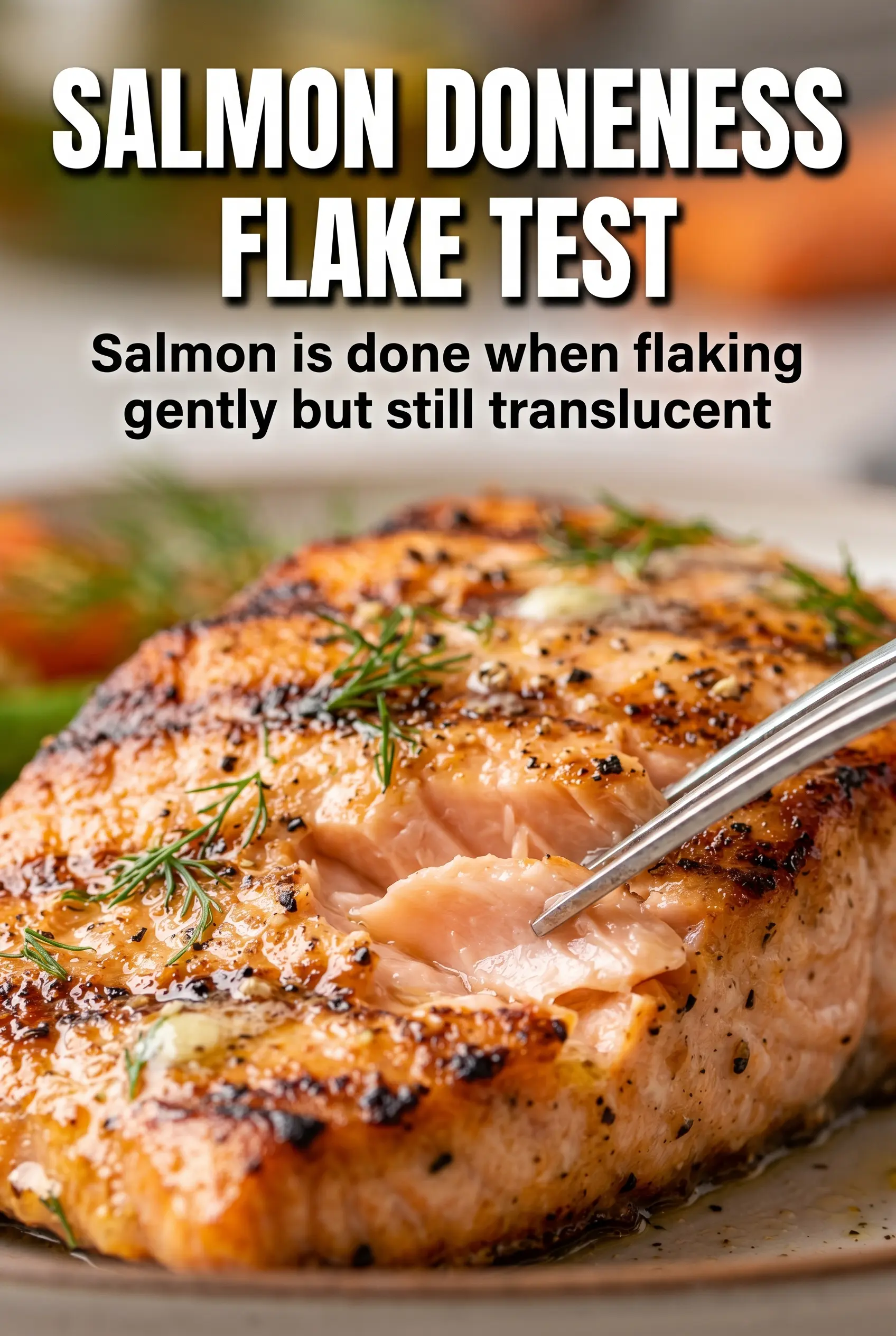
After the flip, grill the salmon for 2 to 3 minutes more, just until it reaches 145°F for medium. If you prefer it a touch more translucent in the center, pull it a little earlier and let carryover heat finish the job. Overcooked salmon turns chalky fast, so start checking early if your fillets are thin. Serve it right away with dill and lemon wedges so the top stays fresh and bright.
Three Ways to Change the Finish Without Losing the Grilled Salmon Character
Dairy-Free and Naturally Gluten-Free
This recipe already fits both of those needs without changes. The key is keeping the seasoning simple and the grill clean, since any sugary glaze or butter finish would change the way the salmon sears. That makes this a strong base recipe for almost any table.
Swap Dill for Herbs You Already Have
Parsley, chives, or tarragon all work if dill isn’t in the fridge. Parsley stays the mildest, chives add a little onion note, and tarragon gives the salmon a slightly sweeter, more aromatic finish. Keep the lemon either way so the fish still tastes bright.
Use a Cedar Plank for a Softer Grill Mark
If you want gentler heat and a little woodsmoke, cook the salmon on a soaked cedar plank instead of directly on the grates. The flavor turns a little rounder and less charred, and the skin won’t crisp quite as much, but the flesh stays especially tender. It’s a good move when you want to serve the fish straight from the grill without worrying about sticking.
Make It for a Crowd
Double the seasoning, but keep the grilling method the same and work in batches if needed. Crowding the grill traps steam and prevents that clean sear on the skin. If you’re serving a larger group, hold the finished salmon loosely covered for a few minutes, but don’t let it sit so long that the skin softens.
Storage and Reheating
- Refrigerator: Store leftovers in an airtight container for up to 3 days. The skin won’t stay crisp, but the salmon will still be good cold or gently reheated.
- Freezer: Cooked salmon can be frozen, though the texture softens a bit after thawing. Wrap it tightly and freeze for up to 2 months, then thaw overnight in the refrigerator.
- Reheating: Warm it low and slow in a 275°F oven, covered loosely with foil, just until heated through. High heat dries salmon out fast and turns the flesh stringy.
Answers to the Questions Worth Asking
How To Make The Best Grilled Salmon
Ingredients
Method
- Pat the salmon fillets dry, then brush them with the olive oil, lemon juice, and minced garlic to coat evenly.
- Season generously with salt and pepper, then let the salmon sit for 15 minutes to marinate.
- Preheat the grill to medium-high and oil the grates well so the skin releases cleanly.
- Place the salmon skin-side down and grill for 6-8 minutes without moving to build crispy skin.
- Carefully flip the salmon and grill for 2-3 minutes more until it reaches desired doneness, 145°F for medium.
- Serve immediately with fresh dill and lemon wedges for bright, fresh flavor.