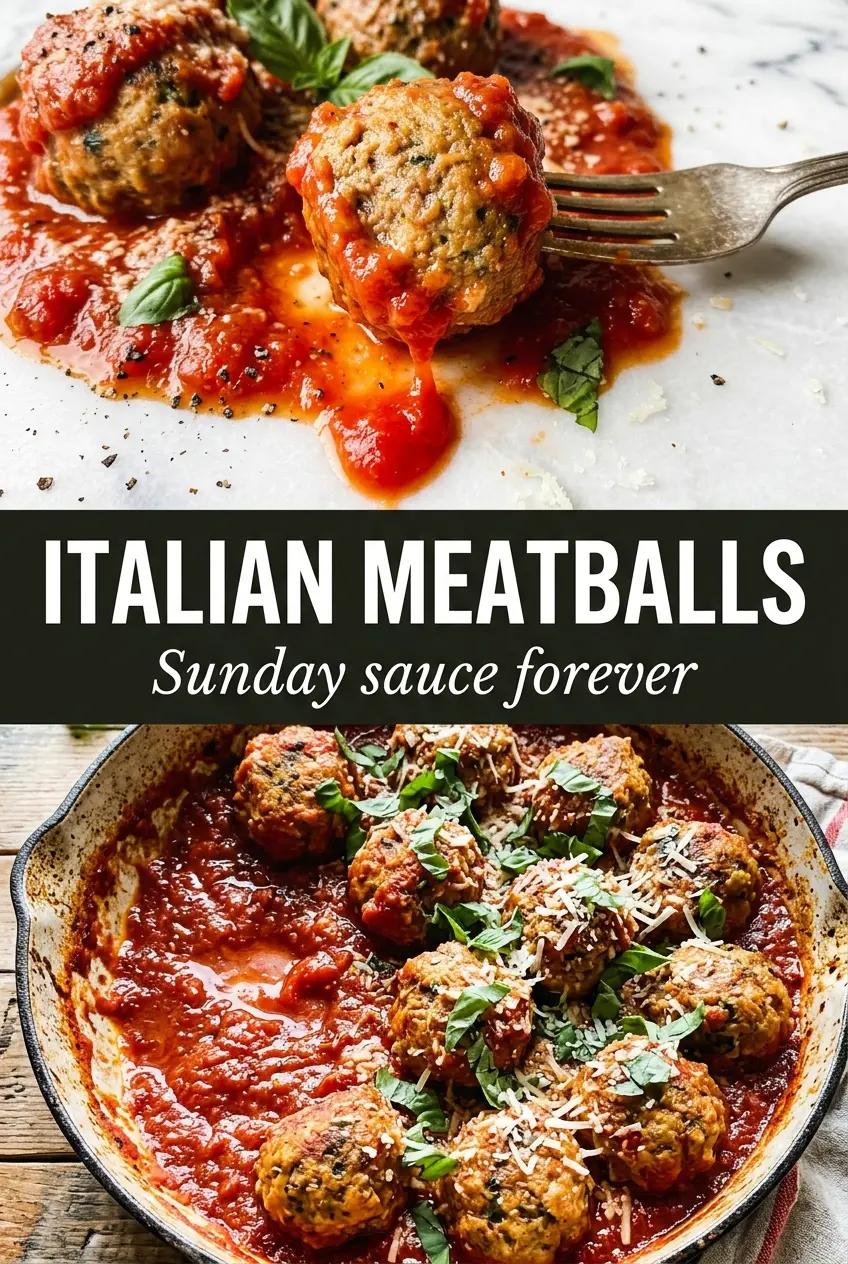
Italian meatballs should be tender in the middle, deeply browned on the outside, and rich enough to stand up to a ladle of marinara without falling apart. The best ones don’t eat like dense little hockey pucks. They stay soft because the breadcrumbs are soaked before they go into the bowl, and the mixture is handled just enough to hold together without getting tight.
This version uses beef and pork for a balanced bite: beef brings structure, pork adds moisture and a little sweetness. Parmesan seasons the meat all the way through, while garlic, parsley, oregano, and basil keep the flavor classic without making the mixture muddy. Browning the meatballs before they simmer matters here. That first crust gives you better texture and leaves behind browned bits that help the sauce taste like it cooked all day.
Below, I’ll walk you through the part that trips most people up: how to shape meatballs that stay tender after browning, and how to simmer them in sauce without drying them out. There’s also a few useful swaps if you want to make them ahead or adapt them for what’s already in your kitchen.
I loved how the breadcrumbs soaked up the milk first — the meatballs stayed tender and didn’t crack when I browned them. I simmered them in the sauce for 15 minutes and they came out juicy all the way through.
Save these Italian meatballs for the night you want tender homemade meatballs with a browned crust and marinara that clings to every bite.
The Reason These Meatballs Stay Tender Instead of Tight and Dense
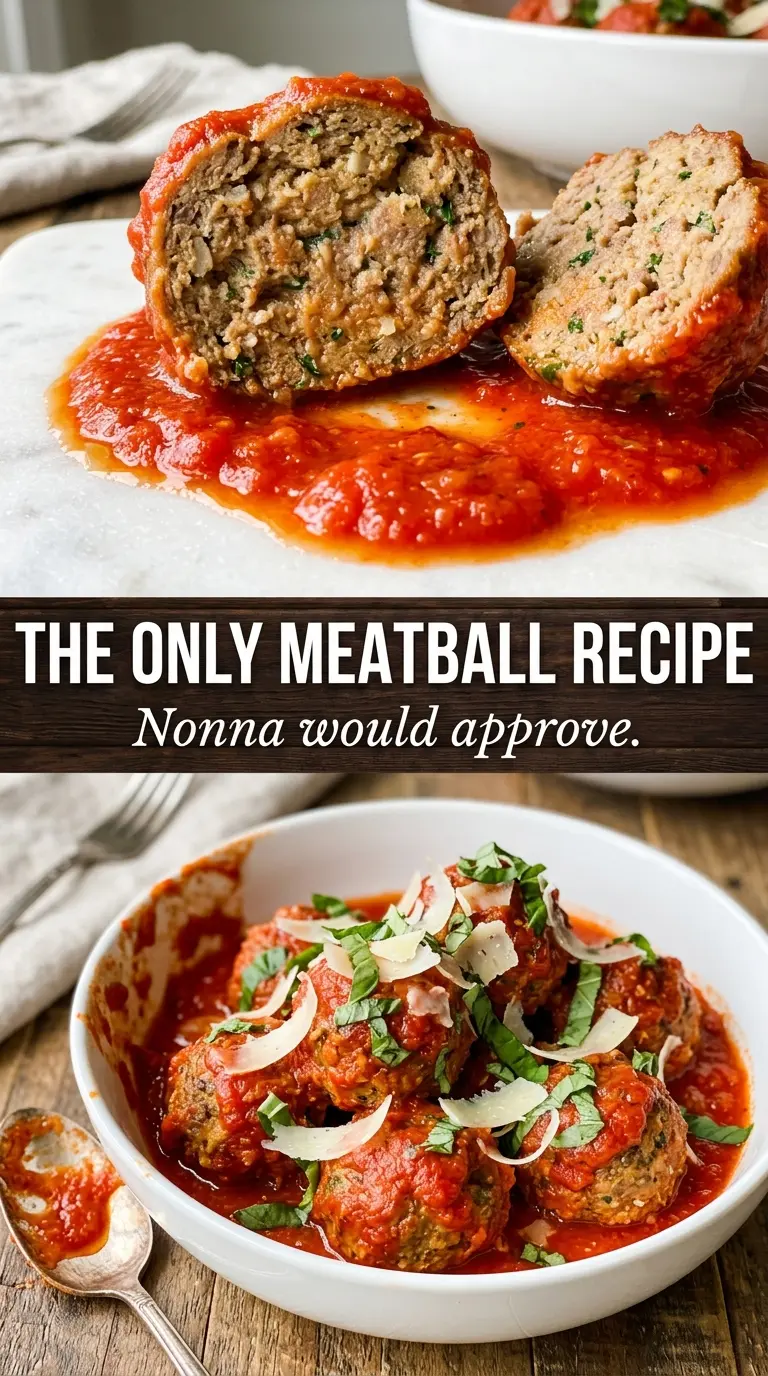
The biggest mistake with meatballs is treating the mix like bread dough. Overworking the meat compresses the proteins, and that’s when you get a firm, springy texture instead of a soft bite that almost melts once it hits the sauce. Gentle mixing keeps the beef and pork separate enough to stay plush after cooking.
The soaked breadcrumbs are the other piece that matters. They act like a built-in cushion, holding onto moisture so the meatballs don’t dry out in the skillet or during the simmer. If the mixture feels sticky, that’s normal. Wet hands and a light touch make shaping easier than adding extra breadcrumbs, which would only make them heavier.
- Ground beef — Gives the meatballs structure and that deep, savory flavor. An 80/20 blend works best because too-lean beef can turn the finished meatballs dry.
- Ground pork — Brings richness and softness that beef alone can’t match. Don’t swap it for more beef unless you want a firmer, leaner meatball.
- Fresh breadcrumbs soaked in milk — This is the moisture insurance. Fresh crumbs absorb the milk quickly and stay tender; dry breadcrumbs work in a pinch, but the texture won’t be quite as light.
- Parmesan — Salty, nutty, and strong enough to season the meat from the inside. Use the real grated stuff here, not the shelf-stable powder, if you want the best flavor.
What Each Ingredient Is Doing Before the Meatballs Ever Hit the Pan
- Garlic, parsley, oregano, and basil — This is the classic Italian-American backbone. Fresh parsley keeps the flavor bright, while the dried herbs hold up during browning and simmering. If you use all fresh herbs, the taste gets a little flat.
- Eggs — They bind the mixture without making it rubbery, as long as you stop mixing once everything is evenly combined. More egg doesn’t make meatballs sturdier; it just makes them bouncier.
- Marinara sauce — A good jarred sauce is fine here because the meatballs do part of the work. If your sauce tastes sharp or thin straight from the jar, the simmer with the meatballs softens it and gives it more body.
- Olive oil — You only need enough for browning. It helps the crust form, but the real flavor comes from the meat itself and the fond left in the pan.
Brown First, Then Let the Sauce Finish the Job
Soaking the Breadcrumbs
Stir the breadcrumbs into the milk and let them sit for the full five minutes so they absorb all the liquid. You want a soft paste, not a puddle. If there’s still a little milk left when you add the meat, that’s fine. If it looks dry and crumbly, the meatballs will feel tight after cooking.
Mixing Without Packing the Meat
Add the beef, pork, soaked crumbs, eggs, parmesan, garlic, parsley, oregano, basil, salt, and pepper to a bowl and mix with your hands just until everything is evenly distributed. Stop as soon as you no longer see streaks of plain meat. If you keep squeezing and mashing, the mixture turns dense and the finished meatballs lose that tender, almost fluffy texture.
Shaping and Browning
Roll the mixture into 1.5- to 2-inch balls with lightly damp hands. They should hold together without feeling compacted. Brown them in batches in hot olive oil until you get a deep golden crust on all sides, about 6 to 8 minutes total. Crowding the pan causes them to steam instead of brown, and steamed meatballs won’t give the sauce the same rich flavor.
Finishing in Marinara
Pour the marinara into the skillet, nestle the meatballs in, cover, and simmer on medium-low until cooked through, about 15 to 18 minutes. The sauce should bubble lazily, not boil hard, or the meatballs can seize and toughen at the edges. They’re done when the centers are cooked through and the sauce has thickened enough to coat a spoon.
How to Adjust These Meatballs Without Losing the Texture
Make Them Gluten-Free
Swap the fresh breadcrumbs for gluten-free breadcrumbs or crushed gluten-free bread soaked in the milk. The goal is still softness, so don’t use dry crumbs straight from the bag without the milk soak or the texture will be firmer and less tender.
Use All Beef If That’s What You Have
You can replace the pork with an equal amount of ground beef, but choose a beef blend with some fat, not extra-lean. The meatballs will be a little firmer and less rich, so the soaked breadcrumbs and parmesan matter even more.
Make Them Ahead
Shape the meatballs, cover them, and refrigerate for up to 24 hours before browning. That rest helps them hold together even better in the skillet. You can also brown them ahead, then finish the simmer in sauce when you’re ready to serve.
Storage and Reheating
- Refrigerator: Store the meatballs in sauce for up to 4 days. The flavor gets even better overnight, and the sauce keeps the meat from drying out.
- Freezer: These freeze well. Cool completely, freeze the meatballs in sauce in airtight containers, and thaw overnight in the fridge before reheating.
- Reheating: Warm them gently on the stovetop over low heat with the lid on. A hard boil can make the meatballs tough and can splatter the sauce everywhere.