Creamy Japanese potato salad has a softer, more layered texture than the picnic version most people know. The potatoes stay partly mashed instead of fully diced, so every bite turns rich and plush while the cucumber, carrots, and egg keep it from feeling heavy. Chilled long enough, the dressing settles into the potatoes and the whole bowl eats like comfort food with a little crunch tucked inside.
What makes this version work is the contrast. Warm potatoes take on the dressing better than cold ones, but they still need to cool a bit so the mayonnaise doesn’t loosen or turn greasy. Salting the cucumber first pulls out the extra water that would otherwise thin the salad later, and the quick blanch on the carrots keeps them bright and tender instead of raw and snappy.
Below, I’ll walk through the texture to aim for, the one prep step that keeps the salad from getting watery, and a few swaps if you need to work with what’s in your fridge.
I finally got that soft, creamy texture I always get at Japanese bakeries. Salting the cucumber first made a huge difference, and the salad was even better after chilling overnight.
Creamy Japanese potato salad with cucumber, egg, and that slightly mashed texture is worth keeping on hand for lunch boxes and make-ahead meals.
The reason the potatoes need to be partly mashed, not neatly cubed
Japanese potato salad isn’t trying to be a tidy, crunchy salad. The signature texture comes from potatoes that are soft enough to collapse a little when mixed, which lets the mayonnaise and vinegar coat the pieces in a creamy layer instead of sitting on the surface. If you leave the potatoes too firm, the salad eats dry and the dressing never really settles in.
That slightly mashed texture also helps the salad hold together after chilling. The small amount of starch released from the warm potatoes thickens the dressing naturally, so the bowl feels cohesive instead of loose. That’s the difference between a salad that tastes assembled and one that tastes like it was meant to be that way from the start.
What each ingredient is actually doing in this bowl
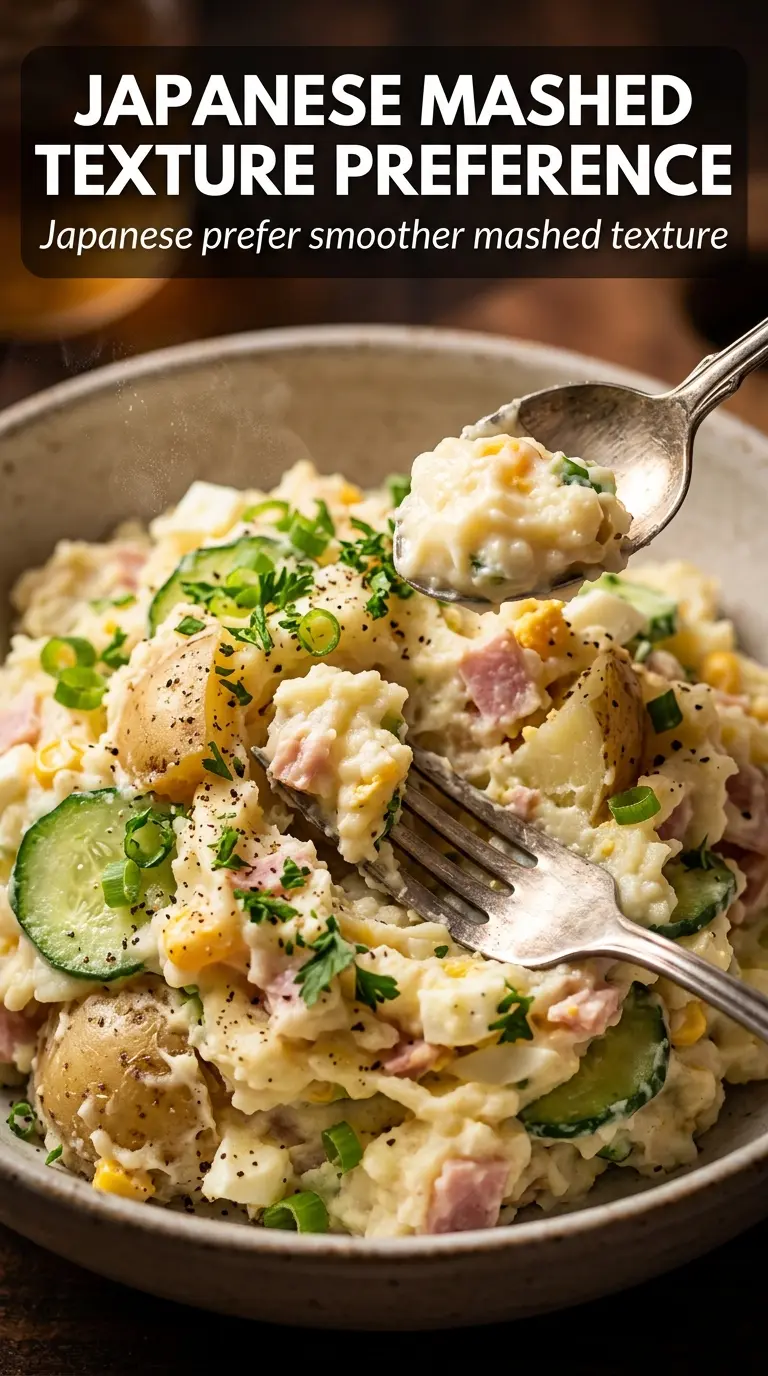
- Russet potatoes — These break down beautifully, which is exactly what you want here. Waxy potatoes stay too neat and give you a firmer, less silky salad. If you need a substitute, Yukon Golds work, but expect a slightly richer, less fluffy finish.
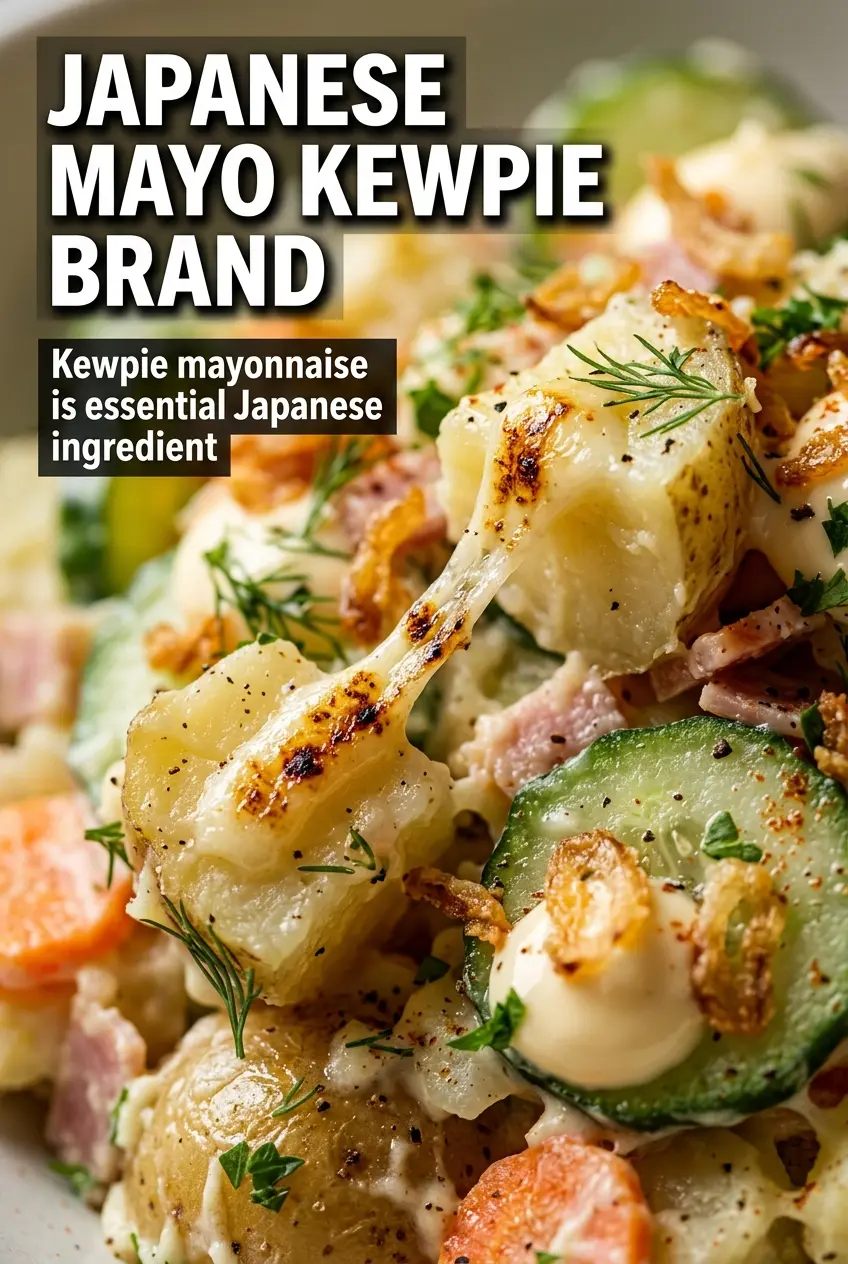
- Japanese mayonnaise — This brings the signature tang and roundness. It’s silkier and a little sharper than regular mayo, so the salad tastes more balanced, especially after chilling. Regular mayonnaise works in a pinch, but add the rice vinegar a little at a time so it doesn’t turn too sharp.
- Rice vinegar and sugar — This is the sweet-tart backbone. The vinegar wakes up the potatoes, while the sugar softens the edge so the dressing tastes mellow instead of punchy.
- Cucumber — Salt it, wait, then squeeze it dry. That step keeps the salad from watering out an hour later, which is the most common reason this dish goes loose. English cucumber can stand in if you seed it well.
- Carrots and corn — They add color and little pockets of sweetness. The carrots need only a short blanch so they stay tender, not raw and harsh.
- Hard-boiled eggs — These add richness and help the salad feel complete. Chop them after cooling so the yolks stay soft and don’t smear into the potatoes.
Getting the texture right from the first mash to the final chill
Cooking the potatoes until they collapse at the edges
Boil the potatoes until a knife slides through with no resistance and the edges are starting to fray. That extra tenderness matters because these potatoes need to partly break down when you mash them. If they’re only cooked to the center, you’ll get a chunky salad with no creamy bind.
Salting the cucumber before it touches the bowl
Toss the sliced cucumber with salt and let it sit for about 10 minutes. You’ll see moisture pool in the bowl, and that’s the liquid you don’t want in the finished salad. Squeeze the slices firmly before mixing them in; if you skip this, the salad turns watery after chilling.
Mixing the dressing while the potatoes are still warm
Stir the mayonnaise, rice vinegar, sugar, salt, and pepper together, then fold it into the potatoes while they’re still warm but not steaming. Warm potatoes absorb the dressing better, which gives you that smooth, unified texture. If the potatoes are too hot, the mayo can loosen and taste heavy instead of creamy.
Letting the salad chill until the flavors settle
Cover the bowl and chill it for at least 2 hours before serving. The salad changes a lot in the fridge: the potatoes firm slightly, the dressing thickens, and the seasoning evens out. If you serve it right away, it tastes a little sharp and disjointed.
Three useful ways to adapt this potato salad
Dairy-free by default
This recipe already fits a dairy-free table as written, so there’s nothing to replace. The creamy texture comes from the potatoes and mayonnaise, not milk or butter, which keeps the flavor clean and the texture plush.
Gluten-free without any extra work
The salad is naturally gluten-free as long as your mayonnaise is labeled gluten-free. That’s the only packaged ingredient worth checking if you’re cooking for someone sensitive.
Using Yukon Golds instead of russets
Yukon Golds give you a creamier, denser salad with a buttery taste, but they won’t mash quite as loosely as russets. If you want a softer result, work them a little more with the spoon so the dressing can cling to the edges.
Making it ahead for lunch boxes
This salad holds up well overnight and often tastes better the next day. If you’re packing it ahead, keep the garnish off until serving so the eggs and cucumber stay looking fresh.
Storage and Reheating
- Refrigerator: Store in an airtight container for up to 3 days. The cucumber softens a bit, but the flavor gets better after the first chill.
- Freezer: Don’t freeze it. The mayonnaise separates and the potatoes turn grainy once thawed.
- Reheating: Serve this salad cold. If it’s been in the fridge a while, let it sit out for 10 to 15 minutes so the dressing loosens slightly. Stir gently before serving instead of heating it, which would break the texture.
Answers to the questions worth asking
Japanese Potato Salad
Ingredients
Equipment
Method
- Bring a pot of water to a boil, add russet potatoes, and cook until very tender. Drain well.
- While the potatoes are still warm, mash them and leave some chunks for a slightly mashed texture. Set aside to cool slightly.
- Blanch diced carrots in boiling water for 2 minutes, then drain thoroughly. Spread on a sheet pan if you need to cool faster.
- Salt cucumber slices and let them sit for 10 minutes, then squeeze out the liquid. This prevents watery salad.
- In a mixing bowl, combine mashed potatoes, blanched carrots, squeezed cucumber, corn kernels, and chopped hard-boiled eggs. Toss gently to distribute evenly.
- In a small bowl, mix Japanese mayonnaise with rice vinegar, sugar, salt, and pepper until smooth and uniform. Adjust seasoning with more salt and pepper if needed.
- Fold the dressing into the potato mixture until everything looks creamy and evenly coated. Keep some potato chunks visible.
- Cover and refrigerate the Japanese potato salad for at least 2 hours before serving, so flavors meld and the texture firms up. Serve cold.