Joanna Gaines’ meatloaf bakes up with a tender, sliceable crumb and a glossy ketchup-brown sugar glaze that turns sticky and caramelized at the edges. It’s the kind of meatloaf that holds together on the plate without feeling dense, and the second it comes out of the oven the top smells sweet, savory, and just a little smoky from the Worcestershire in the mix.
What makes this version work is the balance. The breadcrumbs and milk keep the loaf moist without making it mushy, while the onion and garlic melt into the beef instead of sitting there in sharp little bits. The glaze goes on in two rounds, which keeps the topping from burning and gives you that burnished finish that tastes like it came from a much longer, fussier recipe.
Below, I’ve laid out the small details that matter most, including how to keep the texture light, when to add the glaze, and the easiest swaps if you need to adapt the pan or the ingredients.
The glaze caramelized beautifully and the loaf stayed juicy all the way through. I used the loaf pan like suggested, and the slices held together perfectly after the 10-minute rest.
This glazed meatloaf keeps its shape, slices cleanly, and tastes even better the next day.
Save this Joanna Gaines meatloaf for a caramelized-glaze dinner night
The Trick to Keeping This Meatloaf Tender Instead of Dense
Meatloaf goes heavy when the mixture gets packed too tightly or when it’s loaded with too much filler. The goal here is a mixture that looks evenly combined, not whipped into paste. Once the breadcrumbs, milk, and eggs are distributed, stop mixing as soon as the beef is coated and the onion is spread throughout.
The other thing that changes the texture is the loaf pan. It helps this meatloaf hold a neat shape and stay juicy because the fat stays close to the meat instead of running all over the pan. If you bake it freeform on a sheet pan, it’ll cook a little faster and dry out more around the edges, which isn’t wrong, just different.
- Ground beef — A blend with some fat gives you the best texture. Very lean beef turns dry fast, especially in a loaf pan.
- Seasoned breadcrumbs — These absorb moisture and season the loaf at the same time. Plain breadcrumbs work too, but the meatloaf will need a touch more salt and seasoning.
- Whole milk — It softens the breadcrumbs and keeps the crumb tender. Lower-fat milk works in a pinch, but the result won’t be quite as rich.
- Worcestershire sauce — This is doing quiet work in both the loaf and the glaze. It adds depth that ketchup alone can’t give you.
- Onion and garlic — Finely dicing the onion matters here. Big pieces don’t soften enough in the bake time and can make each slice fall apart.
What Each Ingredient Is Actually Doing in This Meatloaf or Meatballs
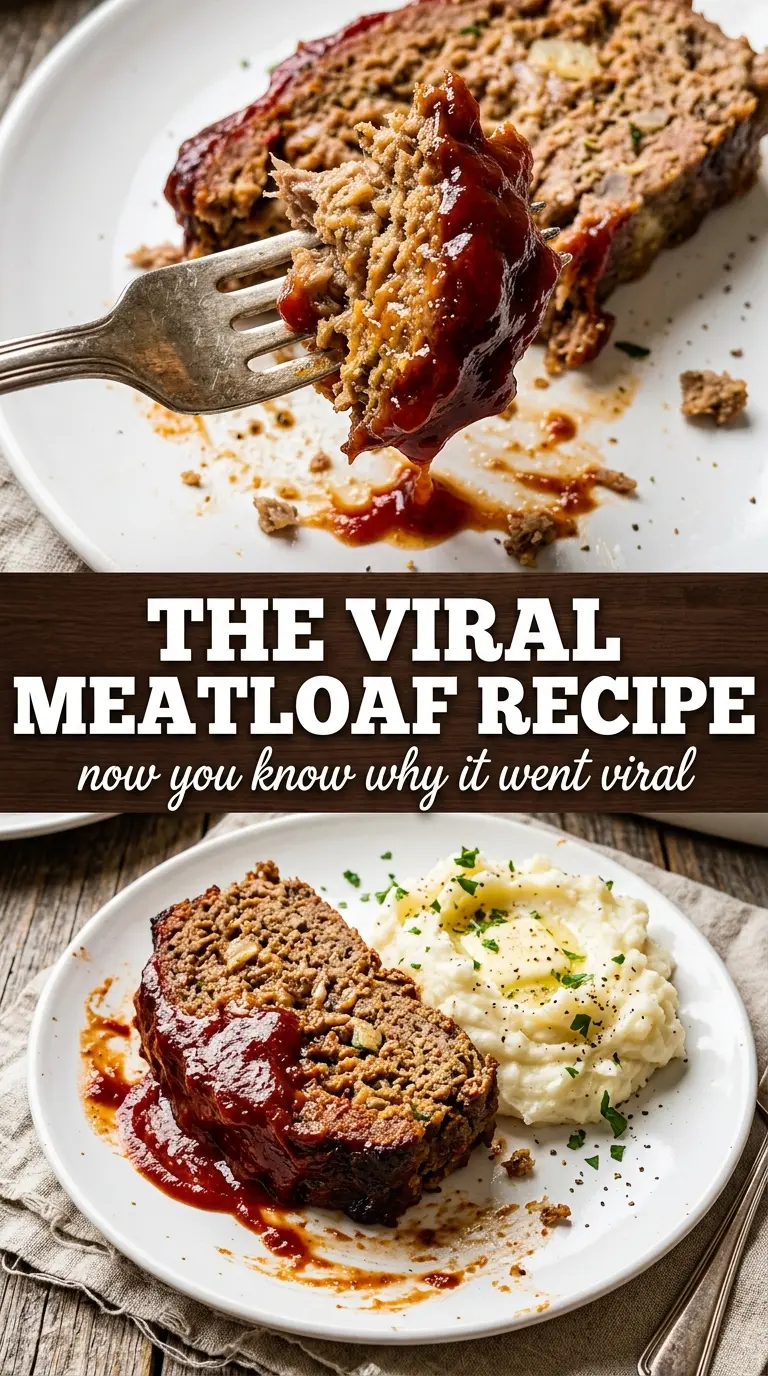
- Ground meat (the protein foundation) — Use 80/20 so it stays moist. Handle gently to keep texture tender instead of dense.
- Breadcrumbs or fillers (the binder) — These hold the meat together without making it dense. Soak in milk first so they add moisture.
- Egg (the structural binding agent) — This holds everything together during cooking. One egg per pound of meat is the right ratio.
- Onion and aromatics (the base flavor) — Mince finely so they distribute evenly. Raw onion softens as it cooks and becomes part of the texture.
- Seasonings (salt, pepper, Worcestershire, spices) — Build flavor boldly. The meat mixture carries the entire flavor profile.
- Milk or liquid (the moisture keeper) — This keeps the meatloaf tender instead of dense and dry. Don’t skip this step.
- Glaze or sauce (ketchup-based or other) — This adds sweetness, moisture, and flavor to the exterior. Apply strategically so it caramelizes.
- Resting time (the final step) — Let the meatloaf rest 10 minutes so it sets and slices cleanly. Cutting too soon makes it fall apart.
How to Build the Glaze So It Caramelizes, Not Burns
Preheat the oven first and grease the loaf pan well so the edges release cleanly. Mix the loaf just until the ingredients come together, then press it into the pan and smooth the top without compacting it. If you mash it down hard, the finished slices turn tight and bouncy instead of tender.
The glaze goes on in two stages for a reason. The first coat seals the top and starts that sweet, tangy layer, and the second coat near the end gives you a darker, stickier finish. If your glaze starts to darken too quickly, tent the pan loosely with foil for the last part of the bake so the sugars don’t scorch before the center reaches 160°F.
Mixing the Meat Without Overworking It
Use your hands and a light touch. The mixture should look evenly combined, but you should still be able to tell it’s beef, not a smooth paste. If you keep squeezing after that point, the proteins tighten up and the loaf bakes up firm instead of soft and sliceable.
Layering on the Glaze in Two Rounds
Spread about half the glaze over the top before the loaf goes into the oven. That first layer helps it cling and start to set. Add the second half after 55 minutes, when the surface has firmed up a little, so the topping stays glossy and caramelized instead of sliding off into the pan.
Knowing When It’s Done
Pull the meatloaf when the center reaches 160°F. The top should look deeply glazed, the edges should be darker and slightly crisp, and the juices should run clear rather than pink. Give it the full 10-minute rest before slicing or the loaf will shed its juices onto the cutting board.
How to Adapt This Meatloaf for Different Kitchens and Diets
Gluten-Free Version
Swap the seasoned breadcrumbs for a gluten-free breadcrumb blend or crushed gluten-free crackers. Keep the amount the same, then check the texture before baking; the mixture should still feel moist and cohesive, not wet. The flavor stays close to the original, but the crumb may be a little more delicate.
Dairy-Free Swap
Use an unsweetened plain dairy-free milk with enough body to soak the breadcrumbs, like oat milk. The loaf will still hold together, but it won’t have quite the same richness as whole milk. Skip flavored milks, since they can leave a strange sweetness behind once baked.
Making It for a Bigger Crowd
Double the recipe and divide it into two loaf pans instead of making one giant loaf. A single oversized loaf takes too long to cook through and usually dries out before the center is done. Two smaller loaves bake more evenly and still give you the same caramelized glaze on top.
Storage and Reheating
- Refrigerator: Store leftovers in an airtight container for 3 to 4 days. The glaze gets a little thicker and the loaf slices even cleaner after chilling.
- Freezer: Meatloaf freezes well. Wrap slices or the whole cooled loaf tightly, then freeze for up to 3 months. Thaw overnight in the refrigerator before reheating.
- Reheating: Warm slices covered in a 300°F oven with a splash of water or extra glaze until heated through. The common mistake is blasting it in the microwave, which turns the edges rubbery before the center is hot.
Questions I Get Asked About This Recipe
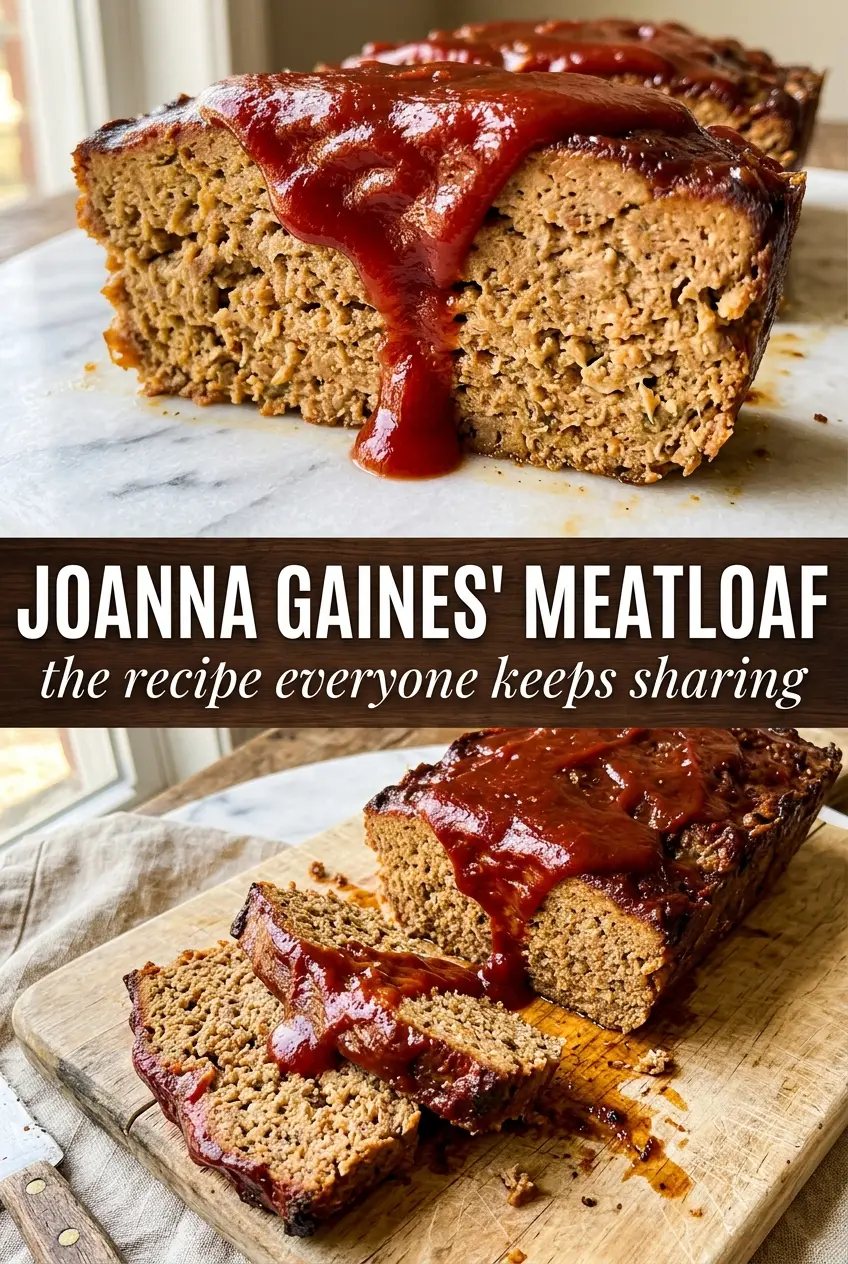
Joanna Gaines' Meatloaf
Ingredients
Equipment
Method
- Preheat the oven to 350°F and grease a 9x5 loaf pan. The pan should feel lightly slicked with oil so the meatloaf releases cleanly.
- Combine ground beef, seasoned breadcrumbs, eggs, whole milk, onion, garlic, Worcestershire sauce, Italian seasoning, garlic powder, and salt and pepper until just mixed. Stop as soon as the mixture looks evenly combined so it stays tender, not tough.
- Transfer the mixture to the loaf pan and smooth the top. Press gently into the corners so the bake is even and the glaze sits on a flat surface.
- Mix the glaze ingredients and spread half over the meatloaf. Cover the top evenly, leaving a glossy layer that will begin to caramelize as it bakes.
- Bake at 350°F for 55 minutes. The meat should look set around the edges while the glaze darkens slightly.
- Spread the remaining glaze over the meatloaf and bake 15 more minutes at 350°F. Bake until the internal temperature reaches 160°F and the glaze is deeply caramelized and visibly shiny.
- Rest the meatloaf for 10 minutes before slicing and serving. It should hold its shape and look less watery on the cut surface once you slice.