Bright, lemony potato salad gets a much-needed upgrade when the dressing actually has enough acidity to wake up the potatoes instead of just coating them in mayonnaise. The baby potatoes stay tender but hold their shape, the capers bring little briny pops, and the dill and parsley keep every bite tasting fresh instead of heavy. Served cold after a proper chill, it lands with that clean, sharp finish that makes people go back for a second scoop.
What makes this version work is the balance. The olive oil carries the lemon zest and juice, while Dijon mustard helps the dressing cling to the warm potatoes without turning greasy. I also like to season the dressing before it goes on the potatoes, because potatoes absorb salt slowly and a bland dressing never fixes itself later. Letting the salad rest in the fridge for a couple of hours gives the flavors time to settle into the potatoes instead of sitting on the surface.
Below, you’ll find the small details that make this salad taste polished: how to keep the potatoes from going mushy, when to add the herbs so they stay bright, and the best way to adjust the acidity if your lemons are especially sharp.
The potatoes held their shape after chilling, and the lemon-dill dressing soaked in without making it watery. The capers gave it that salty bite I was looking for.
Save this lemon herb potato salad for the next cookout when you want something chilled, tangy, and packed with dill and capers.
The Trick to Keeping Potato Salad Bright Instead of Muddy
Potato salad goes flat when the dressing is too heavy or the potatoes are overcooked. Baby potatoes are the right choice here because their waxy texture stays intact after boiling and tossing, which means you get clean slices instead of crumbles. The other key is dressing them while they’re still warm enough to absorb the lemon and mustard, but not so hot that the herbs wilt on contact.
- Boiling point control — Cook the potatoes until just tender when pierced with a knife. If they fall apart in the pot, they’ll break down again when you toss them with the dressing.
- Capers — These bring salt and brine in a way that plain salt can’t. Drain them well so the dressing doesn’t get watery.
- Dijon mustard — This is what helps the dressing emulsify and cling. Yellow mustard won’t give the same sharp edge or texture.
- Fresh herbs — Dill is the lead note here, and parsley keeps it from tasting one-dimensional. Dried herbs won’t give the same clean finish.
What Each Ingredient Is Actually Doing in This Salad
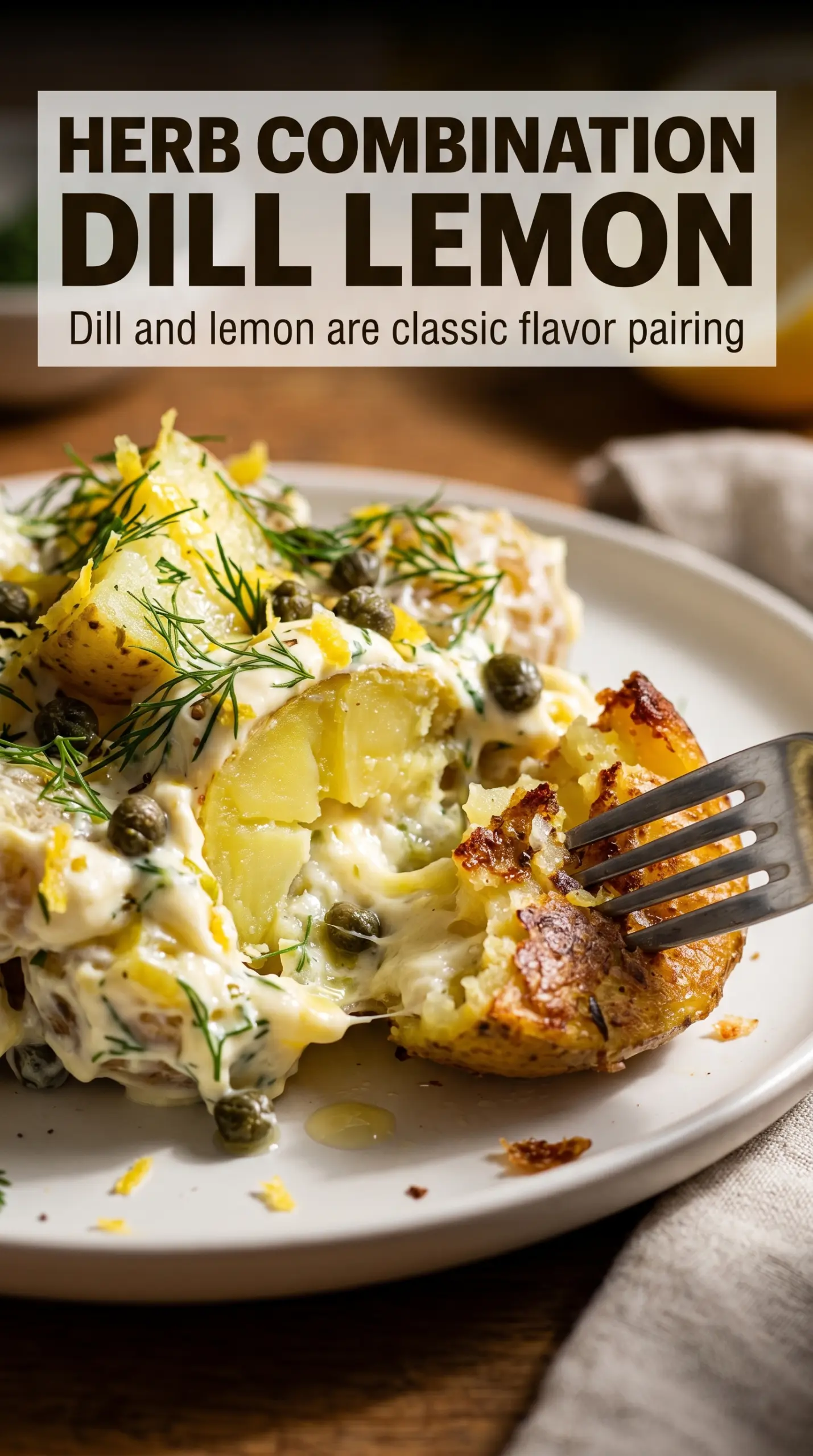
- Baby potatoes — Their thin skins and waxy texture hold up after chilling. If you only have larger potatoes, cut them into evenly sized chunks so they cook at the same rate.
- Olive oil — This carries the lemon and herbs and gives the salad a silky finish. Use a decent-tasting oil here because there’s nowhere for a bitter or stale flavor to hide.
- Lemon juice and zest — The juice brings the acid, but the zest is what makes the salad smell and taste distinctly lemony. Don’t skip the zest; it gives the dressing depth without adding more sharpness.
- Capers — They add the briny note that keeps each bite from tasting soft or bland. If yours are especially salty, rinse them quickly and pat them dry.
- Dill and parsley — Dill gives the salad its Mediterranean personality, while parsley keeps the herb flavor fresh and green. Chop them just before mixing so they stay lively.
- Dijon mustard — It tightens the dressing and helps the oil and lemon come together instead of separating. In a pinch, whole grain mustard works, but the texture will be a little looser.
How to Build the Salad So the Potatoes Absorb the Dressing
Cooking the Potatoes Just to Tender
Start the potatoes in well-salted cold water and bring them up together so the centers cook evenly. Pull them as soon as a knife slides in with little resistance; you want tender, not fluffy. If you boil them too hard or too long, the edges collapse and the salad turns ragged after tossing. Drain them well and let the steam escape before dressing them, or the extra moisture will dilute the lemon.
Whisking the Dressing Until It Clings
Whisk the lemon juice, zest, Dijon, olive oil, salt, and pepper until the mixture looks slightly thickened and glossy. The mustard should help it stay together instead of separating into an oily slick. If your lemon is extremely tart, add the oil gradually and taste again before pouring it over the potatoes. A sharp dressing is good here, but harsh acid can flatten the herbs.
Folding in the Herbs and Capers
Add the capers, dill, and parsley after the potatoes are out of the pot and cooled just enough to handle. That keeps the herbs bright and stops them from turning dark in the residual heat. Toss gently with a spatula or large spoon so the potato edges stay intact. If you stir aggressively, the salad starts looking mashed before it even chills.
Chilling Before Serving
Cover the bowl and refrigerate the salad for at least 2 hours. This resting time matters because the potatoes absorb the dressing as they cool, which gives the salad a fuller flavor and a better texture. If you serve it right away, the lemon will taste loud and the herbs will seem separate from the potatoes. After chilling, taste once more and add a pinch of salt if needed.
Three Ways to Adjust This Without Losing the Balance
Make it dairy-free and naturally gluten-free
This recipe already fits both needs as written, which is part of why it works so well for a crowd. The texture comes from the potatoes and the dressing, not from any creamy add-ins, so you don’t lose anything by keeping it simple. Just check your mustard label if you’re serving someone with strict gluten concerns.
Swap the herbs based on what’s in the fridge
If you’re out of dill, use more parsley and add a small pinch of dried oregano for a more Mediterranean edge. The salad will still taste fresh, but it will lose some of that grassy, almost feathery dill note that makes this version stand out. Tarragon also works if you want a softer anise-like finish.
Turn it into a heartier side for grilled fish or chicken
Add chopped cucumber for crunch or sliced green onions for a little bite, but only after chilling so they stay crisp. You can also toss in flaked cooked salmon or white beans to make it more substantial. The dressing is strong enough to handle the extra volume without tasting thin.
Storage and Reheating
- Refrigerator: Store covered for up to 4 days. The flavor gets deeper on day two, though the herbs will soften a bit.
- Freezer: Don’t freeze this one. The potatoes turn grainy and the dressing separates after thawing.
- Reheating: Serve it cold or let it sit at room temperature for 20 minutes before serving. Heating would dull the lemon and make the potatoes break down, which is the opposite of what you want here.
Questions I Get Asked About This Recipe
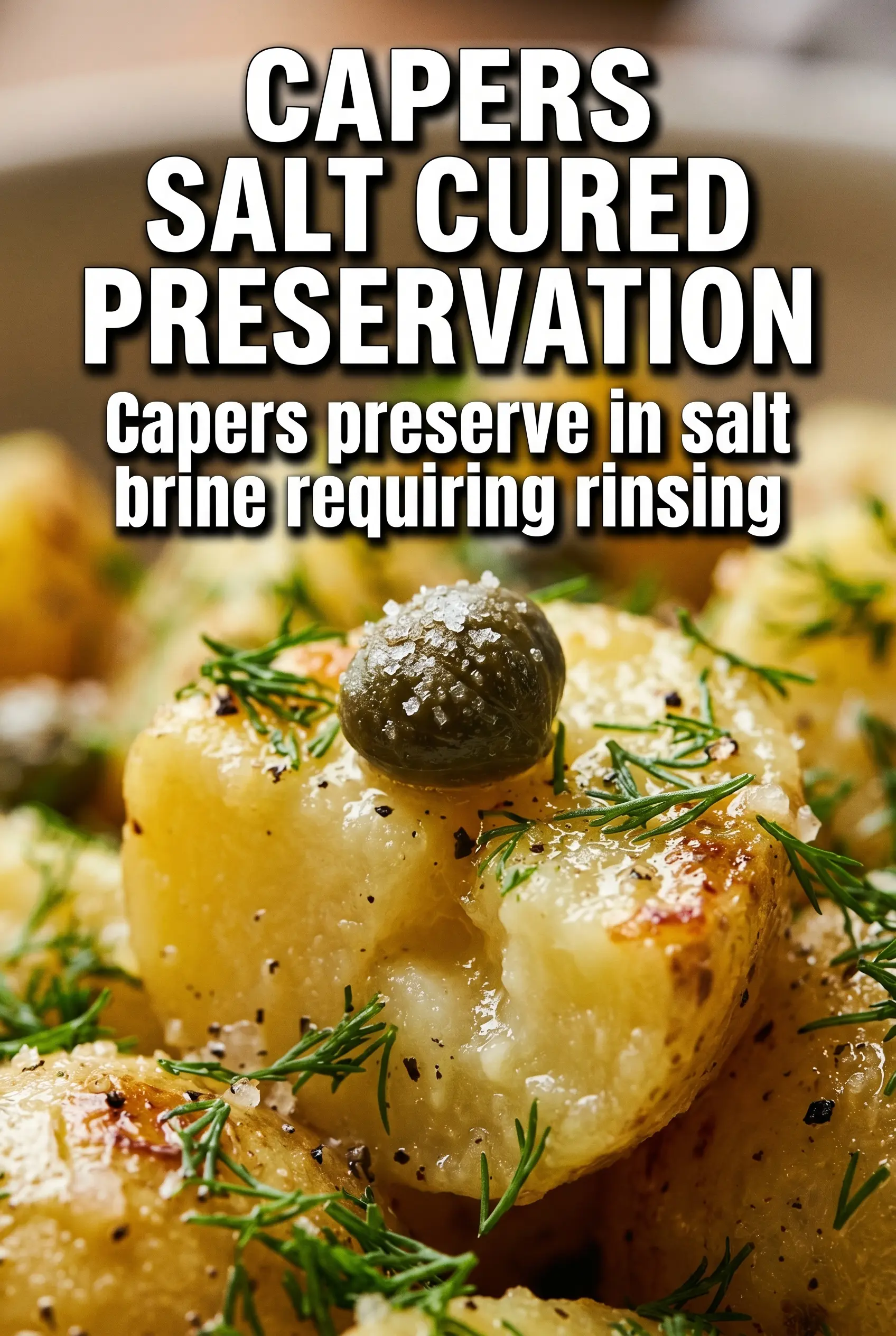
Lemon & Herb Potato Salad with Dill and Capers
Ingredients
Equipment
Method
- Bring a large pot of water to a boil, add the baby potatoes, and cook until tender, 10–20 minutes (depending on size). You’ll know they’re ready when a fork slides in easily with little resistance.
- Drain the potatoes and spread them on a sheet pan to cool for 10–15 minutes so the dressing clings instead of turning watery.
- Whisk together olive oil, lemon juice, lemon zest, Dijon mustard, salt, and pepper until smooth and glossy, 1–2 minutes. The mixture should look evenly emulsified.
- Combine the cooled potatoes, capers, dill, and parsley in a large bowl, tossing just until the herbs and capers are distributed.
- Pour the dressing over the potato mixture and toss thoroughly to coat every piece. The potatoes should look bright and lightly glossy.
- Cover and refrigerate for 2 hours before serving so the flavors meld and the salad chills through.