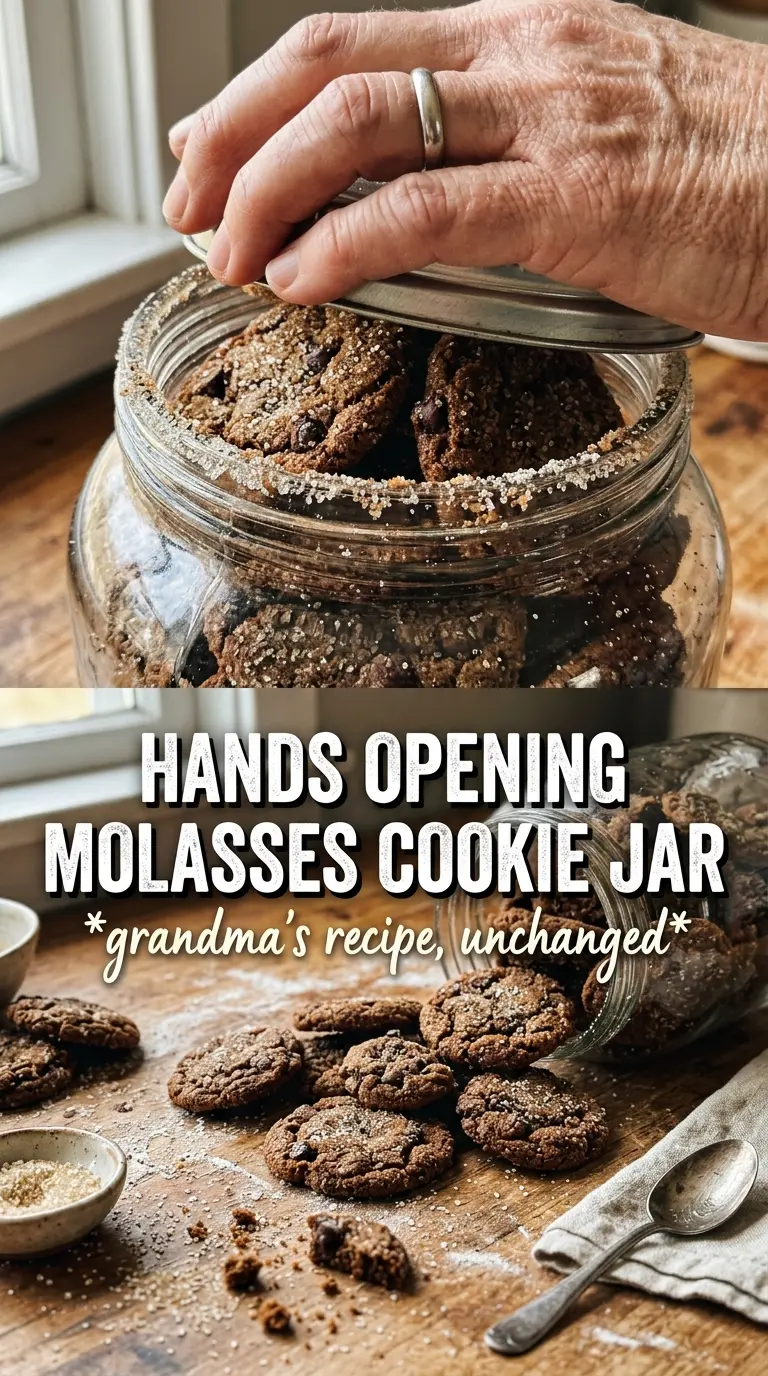
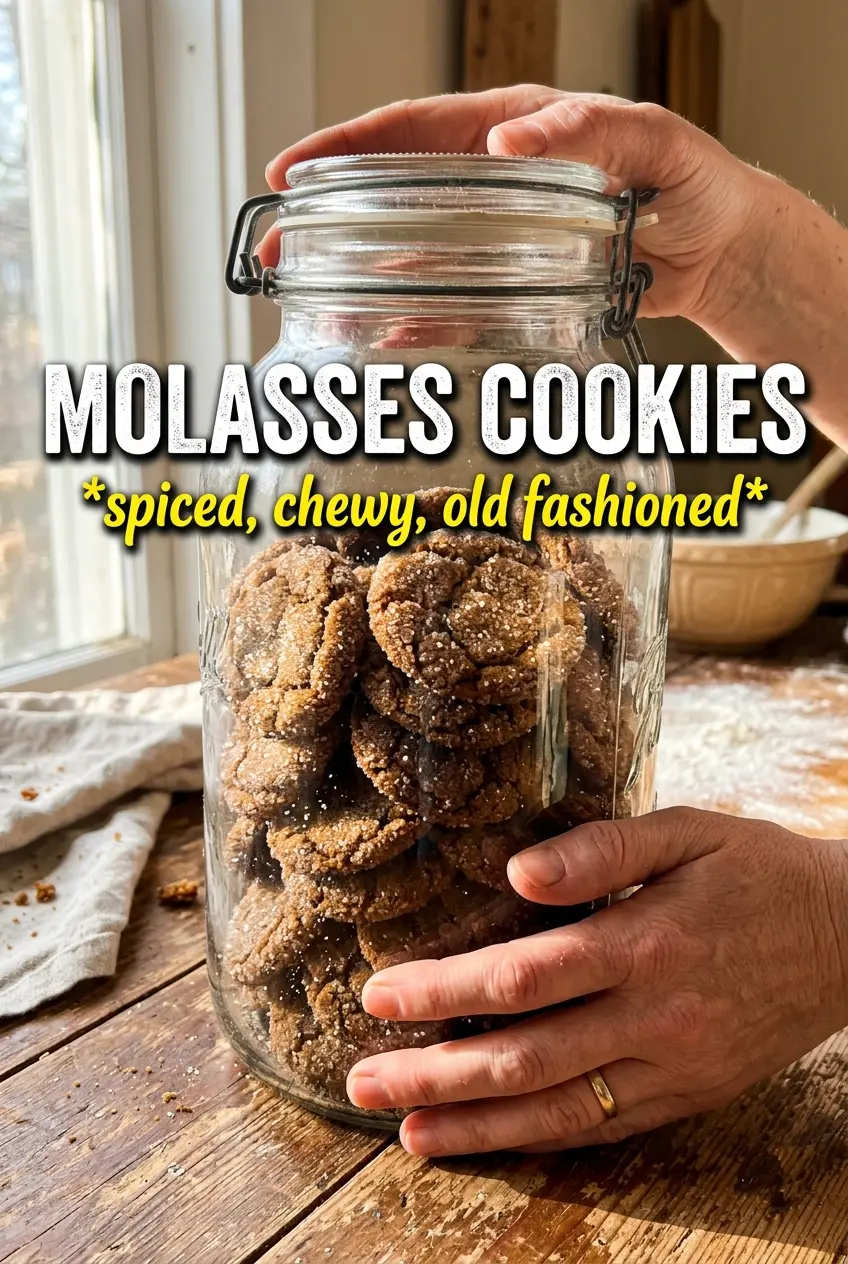
Molasses cookies land with a soft center, crisp sugar-kissed edges, and that deep, spiced warmth that makes people reach for a second cookie before they finish the first. The crinkled tops look old-fashioned in the best way, and the texture is the real reason these stay in rotation: chewy in the middle, set around the edges, and bold without tipping into bitter.
This version uses enough brown sugar and butter to keep the crumb tender, while the molasses brings that dark, full flavor you expect from a proper molasses cookie. A little black pepper sounds unusual, but it quietly sharpens the spices and keeps the cookies from tasting flat. Chilling the dough matters here too. It gives the flour time to hydrate and helps the cookies spread just enough instead of baking up thin and greasy.
Below, you’ll find the simple timing cue that keeps the centers soft, plus a few swaps that work if you’re out of a spice or want to bake a smaller batch.
The cookies came out with crackly tops and soft centers just like the picture, and the little bit of black pepper made the spice flavor stand out in the best way.
Like these crinkly, spice-forward molasses cookies? Save them to Pinterest for the days when you want soft centers, crisp edges, and a sugar-sparkled finish.
The Crinkles Come From Chilled Dough, Not Guesswork
The biggest mistake with molasses cookies is baking the dough the moment it comes together. Warm dough spreads too fast, which gives you thin cookies with less of that wrinkled top and chewy center. A short chill firms up the butter, lets the flour absorb the moisture, and gives the baking soda a cleaner shot at creating lift in the oven.
The second part is timing. These cookies should come out when the centers still look a little underbaked. If you wait until they look fully set in the oven, they finish as dry cookies on the cooling rack. The carryover heat from the pan does the last bit of work, and that’s what leaves you with the soft middle and crisp edge combination people actually want.
What Each Spice Is Doing in the Dough
- Molasses — Use regular molasses, not blackstrap. Blackstrap is sharper and more bitter, which throws the cookies off balance. The right molasses gives you deep color, chew, and that warm, almost smoky sweetness these cookies need.
- Brown sugar — This keeps the cookies soft and helps the flavor stay round instead of one-note. Light or dark brown sugar both work; dark brown gives you a little more molasses depth, while light brown keeps the sweetness cleaner.
- Butter — Softened butter creams with the sugars and traps air, which helps the cookies puff and crackle instead of baking dense. If the butter is too warm, the dough will be loose and the cookies will spread too much.
- Black pepper — This is the small ingredient that makes the spice blend taste lively. You won’t taste pepper in a savory way; it just sharpens the cinnamon, ginger, and cloves.
- Cinnamon, ginger, cloves, and allspice — Together they build the classic molasses-cookie backbone. You can trim the cloves slightly if you want a softer spice profile, but don’t skip the ginger, which keeps the cookie from tasting flat.
The Sugar Roll and Bake That Give You the Right Texture
Building the Dough
Start by whisking the dry ingredients well so the baking soda and spices are evenly distributed. When you cream the butter with the sugars, beat until the mixture looks pale and fluffy, not just mixed. That extra minute or two matters because it helps the cookies bake with a lighter center. Add the molasses, egg, and vanilla after the butter and sugar are aerated; if you add the molasses too early, the mixture can look curdled and stop trapping air properly.
Chilling for Shape
Once the flour goes in, stop mixing as soon as the dough looks combined. Overmixing makes the cookies tougher and can mute the soft, chewy texture. Chill the dough for the full 30 minutes. If it feels sticky after chilling, that’s normal; it should still scoop cleanly, but it should no longer slump across the tray before baking.
Baking Until the Centers Still Look Soft
Roll each ball generously in granulated sugar so the tops bake with a light, sparkling shell. Bake at 375F just until the tops are crinkled and the centers still look underdone. Pulling them at that point is the key to chewy molasses cookies. Let them sit on the pan for 5 minutes before moving them, because they finish setting as they cool and that short rest keeps them from breaking apart.
How to Adjust These Cookies Without Losing the Chewy Center
Dairy-Free Version
Swap the butter for a good plant-based stick butter, not a tub spread. You want something with enough fat to cream properly; softer spreads can make the dough greasy and encourage more spread in the oven. The cookies will still be chewy, but the flavor will be a little less rich.
Gluten-Free Swap
Use a 1:1 gluten-free baking flour that already includes xanthan gum. The dough may need an extra 10 to 15 minutes of chilling because some blends stay looser than all-purpose flour. The texture will be a touch more delicate, but the spice and molasses flavor will still come through.
Make-Ahead Dough
The dough holds well in the refrigerator for up to 48 hours. In fact, the flavor deepens a bit as the spices settle in. If the dough sits overnight, let it soften just enough to scoop without cracking, then roll each portion in sugar right before baking.
Storage and Reheating
- Refrigerator: Store baked cookies in an airtight container for up to 5 days. They stay chewy, though the sugar coating softens a bit after day one.
- Freezer: Freeze baked cookies for up to 2 months, layered with parchment. You can also freeze the dough balls before rolling in sugar, then thaw just enough to coat and bake.
- Reheating: Warm a cookie for 5 to 8 seconds in the microwave or a few minutes in a low oven. The mistake is overheating them, which dries out the centers and turns the edges hard instead of crisp.
Questions I Get Asked About This Recipe
Molasses Cookies
Ingredients
Equipment
Method
- Whisk all-purpose flour, baking soda, cinnamon, ginger, cloves, allspice, black pepper, and salt until evenly combined (no visible spice streaks).
- Beat unsalted butter, brown sugar, and granulated sugar until fluffy, then add molasses, egg, and vanilla extract and mix until smooth and glossy.
- Fold the flour mixture into the molasses mixture just until no dry flour remains.
- Refrigerate the dough for 30 minutes, until firm enough to scoop cleanly.
- Preheat the oven to 375F and line sheet pans with parchment.
- Scoop dough into 1-1/2 tablespoon balls, then roll generously in granulated sugar so the tops look evenly coated.
- Bake for 9-11 minutes at 375F until the tops are crinkled and slightly darker, with centers that look underdone.
- Cool the cookies on the pan for 5 minutes; they will firm up as the centers set into chewy with crisp edges.