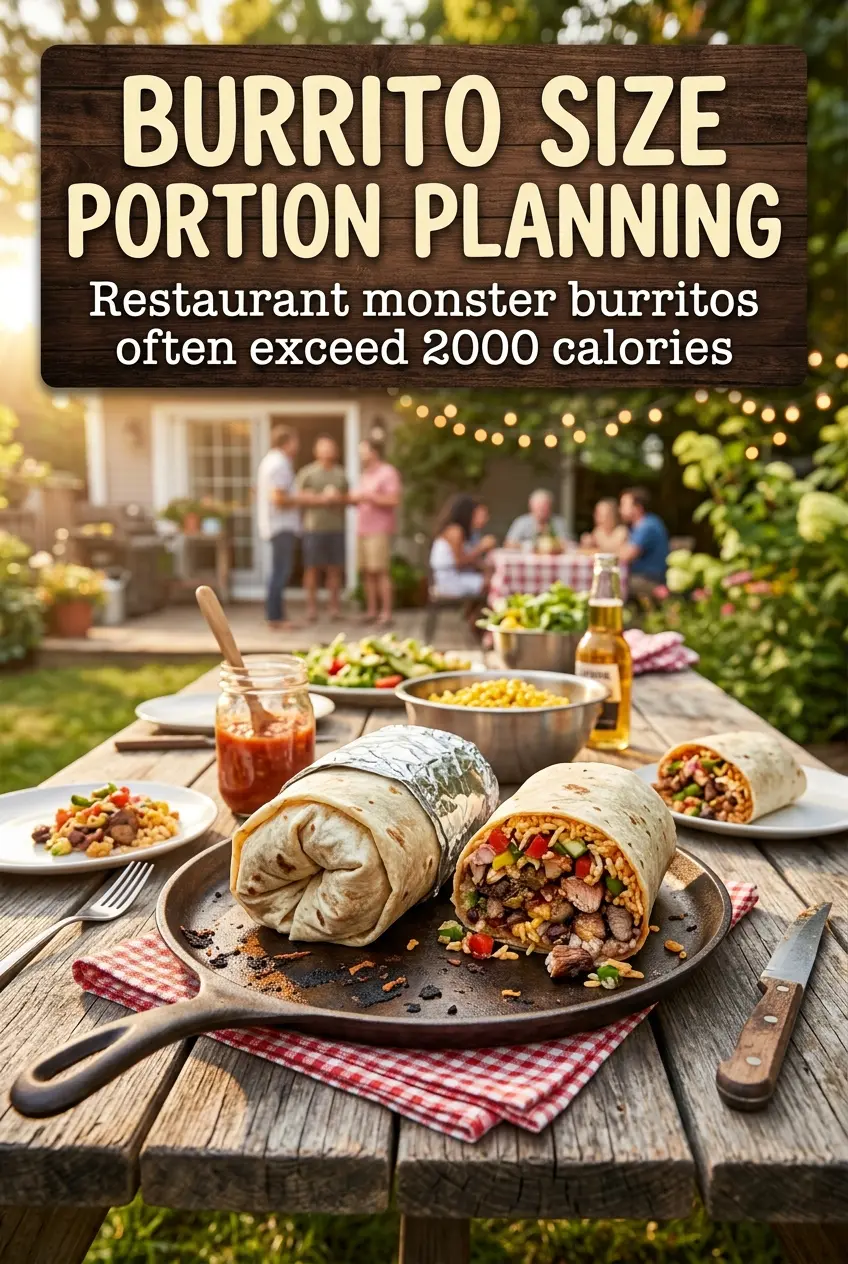
Monster burritos earn their name the second you pick one up. They’re big, heavy, and packed with layers that stay distinct instead of collapsing into a soggy pile. The best ones hit all at once: crisp tortilla, seasoned beef, fluffy eggs, creamy beans, and just enough salsa to wake everything up without turning the whole burrito wet.
This version works because each filling gets handled on its own before it ever meets the tortilla. The beef is seasoned after it browns, which keeps the meat flavorful instead of muddy, and the eggs are cooked separately so they stay soft. Warm tortillas matter here too. A cold tortilla tears the moment you start rolling, and with burritos this loaded, that’s the difference between a clean wrap and a mess on the griddle.
Below, I’ve included the little things that make these burritos hold together, plus a few easy ways to adapt them for different diets and different appetites.
The burritos held together perfectly after that quick griddle toast, and the crispy outside made the beans and eggs taste even better. My husband cut his in half and said it looked like a diner breakfast and taco night had a baby.
Save these monster burritos for the next griddle breakfast when you want crisp tortillas, fluffy eggs, and a cross-section that actually looks like the photo.
The Trick to Keeping a Loaded Burrito from Tearing Open
The failure point in a burrito this big isn’t the filling. It’s the wrap. If the tortilla is too cold or too dry, it splits as soon as you start tucking, and if you overfill the center, the seam pops when it hits the griddle. The goal is a burrito that can be rolled tightly, then toasted seam-side down until the tortilla seals itself.
That’s why the tortilla gets warmed first and the fillings are layered in a narrow line, not spread edge to edge. Beans help anchor the filling because they act like glue, while the cheese melts and locks everything together during the final griddle time. Keep the salsa centered and don’t flood the whole tortilla with it, or the inside turns slippery and the roll loses structure.
What Each Filling Is Actually Doing Here
- Extra-large flour tortillas — These need to be big enough to hold the fillings without cracking. Standard tortillas work in a pinch, but you’ll end up with more seams and a tighter roll. Warm them on the griddle until they’re soft and flexible, not browned.
- Ground beef — This gives the burritos their savory base. An 80/20 blend brings enough fat for flavor, but lean beef works if you’re willing to drain it well. Brown it first, then add the taco seasoning so the meat tastes seasoned instead of steamed.
- Scrambled eggs — Eggs add softness and make the burrito feel substantial without making it heavy in a greasy way. Cook them just until set; overcooked eggs turn dry once the burrito goes back on the griddle.
- Refried beans — These help bind the burrito and keep the filling from sliding out. Canned refried beans are fine, but loosen them with a spoonful of water if they’re stiff so they spread without tearing the tortilla.
- Cheese — The cheese melts into the other fillings and helps seal the burrito once it’s toasted. Use a good melter like cheddar, Monterey Jack, or a blend. Pre-shredded is convenient, but freshly shredded melts a little smoother.
- Salsa, sour cream, guacamole, hot sauce — These are for contrast, not bulk. Keep wetter toppings modest so the burrito stays crisp after cooking. If you want a cleaner slice, serve extra salsa and sour cream on the side instead of packing too much inside.
Building the Burrito So It Seals on the Griddle
Cooking the Beef First
Start with the ground beef on the hot griddle and break it up as it cooks so you get small, even crumbles instead of big chunks that poke through the tortilla. Once it’s browned and no pink remains, drain off excess grease if needed, then stir in the taco seasoning with the amount of water called for on the packet. You want the meat coated and glossy, not soupy. If it looks wet, keep it moving for another minute until the liquid cooks down.
Setting the Eggs Before They Overcook
Scramble the eggs on the griddle and pull them as soon as they’re just set and still soft. They’ll keep cooking from residual heat while you build the burritos, and they’ll firm up again during the final toast. If you cook them until they look dry in the pan, they’ll stay dry in the burrito too. Soft scrambled eggs give you that diner-style center instead of a chalky bite.
Rolling, Toasting, and Cutting Cleanly
Lay the warm tortilla on your work surface and build a tight line of beans, rice, beef, eggs, cheese, and toppings across the middle. Fold the sides in first, then roll away from you while pressing the filling inward with your fingers. Place each burrito seam-side down on the griddle and toast for 2 to 3 minutes per side until the outside is deeply golden and crisp. Let it sit for a minute before slicing or the filling will spill out the moment the knife hits it.
How to Adapt These Burritos Without Losing the Good Parts
Make Them Vegetarian
Swap the beef for seasoned black beans, pinto beans, or a mix of sautéed peppers and onions. You’ll lose some of the meaty heft, but the burrito still eats like a full meal if you keep the eggs, cheese, and rice. Mash part of the beans so the filling holds together better.
Go Gluten-Free
Use certified gluten-free tortillas that are labeled extra-large and pliable. They can be more fragile than flour tortillas, so warm them a little longer and keep the filling slightly tighter. If they crack while rolling, they’re too cold or too dry.
Make Them Lighter
Cut the rice back or leave it out and add more eggs and beef for a lower-carb burrito. The texture shifts from soft-and-starchy to more protein-forward, so add a little extra salsa or guacamole for moisture. Don’t add too many watery toppings or the wrap won’t crisp well.
Prep Ahead for Faster Assembly
Cook the beef, eggs, and rice ahead of time, then chill them separately before building. Cold fillings are easier to portion and less likely to make the tortilla soggy, and you can reheat the wrapped burrito on the griddle when you’re ready to serve. This is the best move if you’re feeding a crowd.
Storage and Reheating
- Refrigerator: Store wrapped burritos for up to 3 days. The tortilla softens a bit, but the flavor holds up well.
- Freezer: Freeze tightly wrapped burritos for up to 2 months. Skip very wet toppings before freezing and add fresh salsa or sour cream after reheating.
- Reheating: Reheat from thawed or refrigerated in a skillet over medium-low heat, covered at first so the center warms through before the outside burns. Microwaving works in a pinch, but it makes the tortilla soft instead of crisp.
Answers to the Questions Worth Asking
Monster Burritos
Ingredients
Equipment
Method
- Preheat a griddle to medium-high heat and cook the ground beef until browned, using a flat spatula to break it up. Sprinkle in taco seasoning and stir according to the package directions until evenly coated.
- On the griddle at medium heat, scramble the eggs until fluffy and fully set, then transfer them aside.
- Warm the tortillas on the griddle until pliable, then move them to a work surface so they don’t tear while assembling.
- Layer each tortilla with refried beans, cooked rice, seasoned beef, scrambled eggs, shredded cheese, salsa, and your desired toppings (diced onions and jalapeños, guacamole, and hot sauce).
- Fold in the sides and roll tightly into burritos, keeping the seam closed as you form each one.
- Place burritos seam-side down on the griddle and cook 2-3 minutes per side until golden and crispy. Slice in half lengthwise and serve with extra salsa and sour cream if desired.