Mustard potato salad brings a sharper, brighter bite than the usual mayo-heavy version, and that’s exactly why it keeps showing up at cookouts, potlucks, and weeknight dinners beside anything grilled. The potatoes stay tender without turning mushy, and the dressing coats every piece with a creamy tang that wakes up the whole bowl. It tastes classic, but it doesn’t disappear next to the rest of the plate.
The key is balancing the mustard with enough mayonnaise to keep the dressing plush, then adding vinegar for lift and just a little sugar to round off the edges. Yukon gold potatoes hold their shape and keep a buttery texture after chilling, which matters here because this salad gets better as it sits. The celery and onion add crunch, and the eggs make it feel like a true old-school potato salad instead of just dressed potatoes.
Below you’ll find the timing that keeps the potatoes from breaking apart, the best way to mix the dressing so it tastes bold instead of harsh, and a few swaps that still keep the salad on track if you need to work with what’s in the fridge.
The dressing had just the right tang, and chilling it for two hours made the potatoes soak up the mustard flavor instead of tasting flat. The eggs held together and the celery stayed crisp, which gave it the perfect old-fashioned texture.
Like this mustard potato salad? Save it to Pinterest for the tangy side dish that holds up beautifully after chilling.
The Trick Is Cooling the Potatoes Before the Dressing Goes In
Warm potatoes soak up seasoning fast, which sounds helpful until they start breaking down and the dressing turns heavy and greasy. For this salad, you want the potatoes tender but still intact, then cool enough that they stop steaming before you add the mayonnaise mixture. That gives the dressing a chance to cling instead of slipping off and pooling at the bottom of the bowl.
The second thing that matters is texture. Yukon golds give you a creamy interior without falling apart, but only if you stop cooking them when a knife slides in with just a little resistance. Overcooked potatoes turn the salad pasty once they’re tossed. If you’ve ever had potato salad that looked fine for five minutes and then turned dense, that’s usually where it went wrong.
What the Mustard, Mayo, and Vinegar Are Each Doing
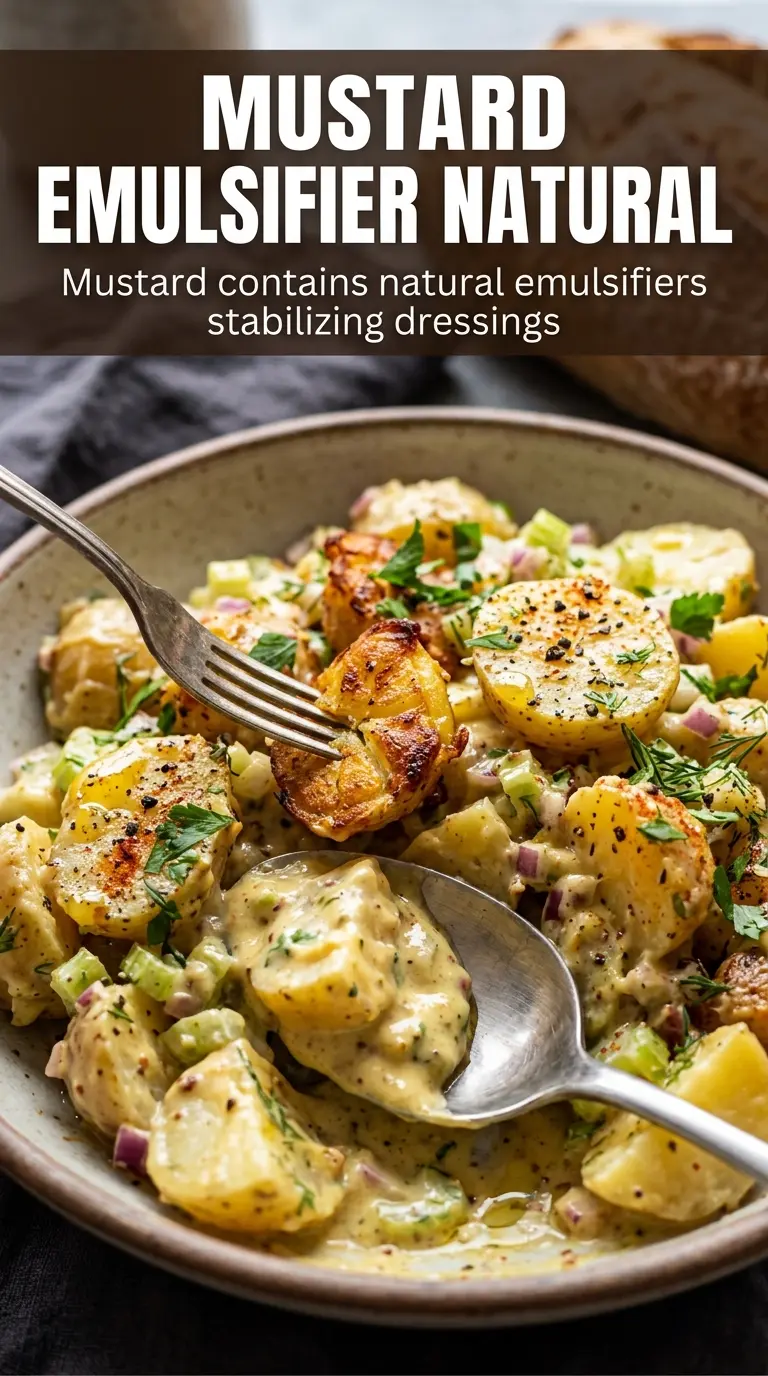
- Yukon gold potatoes — These are the best choice here because they stay creamy without turning mealy. Russets can work in a pinch, but they break down faster and give you a softer, less structured salad.
- Yellow mustard — This brings the classic sharp, familiar flavor and gives the salad its color. Don’t swap all of it for Dijon or the dressing loses that old-school potato salad taste; if you want a little more depth, keep the yellow mustard and use Dijon as the accent.
- Mayonnaise — Mayo carries the dressing and keeps it smooth after chilling. A lighter mayo works fine, but this isn’t the place for a thin dressing because the potatoes need something that coats and clings.
- White vinegar — This is what keeps the mustard from tasting flat. If you use apple cider vinegar instead, the salad will be a touch sweeter and less clean-tasting, which is fine if that’s what you like.
- Celery and onion — These are there for crunch and bite. Dice them small enough that they disperse through the salad instead of taking over each forkful.
- Hard-boiled eggs — The eggs soften the sharp edges of the mustard dressing and make the salad feel fuller. Chop them after they’re cool so the yolks don’t smear into the dressing before you mix everything together.
Building the Salad So It Holds Together After Chilling
Cooking the Potatoes Just Until Tender
Start the potatoes in cold salted water and bring them up to a boil together. That helps the cubes cook evenly instead of going soft on the outside before the center is ready. Drain them when a knife slips in with only slight resistance, then spread them out so steam can escape. If you leave them piled in the colander, the trapped heat keeps cooking them and they’ll go mushy when you toss them.
Mixing the Dressing Until It Tastes Balanced
Stir the mayonnaise, yellow mustard, Dijon, vinegar, sugar, salt, and pepper together before anything touches the bowl of potatoes. The dressing should taste a little bold on its own because the potatoes will dilute it once they’re added. If it tastes flat now, it’ll taste flat later. If it tastes too sharp, that’s usually fine; chilling softens the edges and the potatoes absorb the flavor.
Gently Tossing Without Crushing the Pieces
Add the celery, onion, and chopped eggs to the potatoes, then pour the dressing over the top and fold everything together with a spoon or spatula. Don’t stir aggressively. Yukon golds hold their shape, but they’ll still break if you beat them around. Stop once everything is coated and the dressing is evenly distributed, then refrigerate the salad for at least two hours so the flavor settles in.
How to Adapt This Mustard Potato Salad Without Losing the Point
Make It Dairy-Free
This salad is naturally dairy-free as written, which makes it an easy side dish for mixed crowds. Stick with a mayonnaise you already like, since that base does most of the work here. The flavor stays the same, and you don’t have to sacrifice the creamy texture.
Swap the Eggs for a Cleaner Finish
If you want a slightly lighter salad, leave out the eggs and add a little extra celery for crunch. You’ll lose some of the old-fashioned richness, but the mustard dressing stands up well on its own. This version tastes a little sharper and less custardy.
Use Red Potatoes When That’s What You Have
Red potatoes work if you need them, especially when you want firmer cubes that keep their shape after chilling. They’re a little less buttery than Yukon golds, so the salad may need a touch more salt or mustard to taste balanced. Cut them into even pieces so the texture stays consistent.
Add More Tang for a Picnic-Style Salad
For a sharper salad, add another teaspoon or two of vinegar after chilling and stir it in before serving. Cold food always tastes a little muted, so this last adjustment can wake the whole bowl back up. Don’t add too much at the start or the dressing will taste harsher than it should once it cools.
Storage and Reheating
- Refrigerator: Store covered for up to 4 days. The texture stays best on day one and two, but the flavor gets deeper after the first chill.
- Freezer: Don’t freeze this one. The mayonnaise dressing separates and the potatoes turn watery when thawed.
- Reheating: This salad is meant to be served cold or cool from the fridge. If it has thickened too much, stir in a spoonful of mayo or a splash of vinegar before serving instead of trying to warm it.
Answers to the Questions Worth Asking
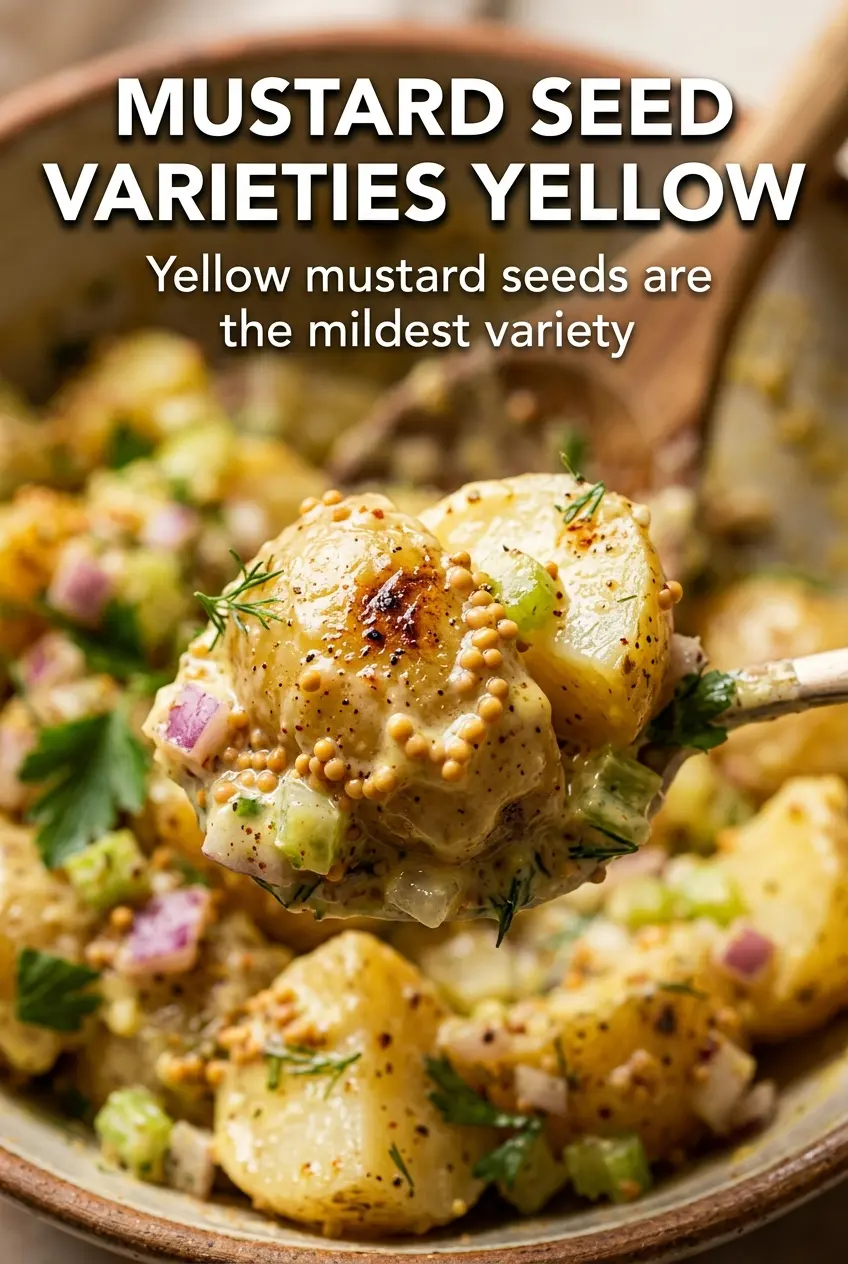
Mustard Potato Salad
Ingredients
Equipment
Method
- Bring a pot of water to a boil, then cook cubed Yukon Gold potatoes until tender, about 15–20 minutes, with a visible simmer around the edges. Visual cue: a fork should slide in easily.
- Drain the potatoes and cool them completely, about 10 minutes, while steam dissipates and the surface looks dry and matte. Visual cue: cubes hold their shape without breaking.
- In a bowl, whisk mayonnaise, yellow mustard, Dijon mustard, white vinegar, sugar, salt, and pepper until smooth and thick, about 1–2 minutes. Visual cue: streaks disappear and the dressing looks glossy.
- Combine cooled potatoes, diced celery, finely diced onion, and chopped hard-boiled eggs in a mixing bowl, folding until evenly distributed. Visual cue: celery and egg are visible throughout.
- Pour the mustard dressing over the potato mixture and toss well until every cube is coated, about 1–2 minutes. Visual cue: a yellow-tinted sheen coats the potatoes.
- Refrigerate for 2 hours before serving to let the flavors meld, covered and cold throughout. Visual cue: the salad looks firmer and flavors deepen after chilling.