Pizza on a Blackstone griddle gives you the kind of crust that makes people wander back to the cooktop for “just one more slice.” The bottom comes out crisp and spotted with dark char, the cheese melts fast under the dome, and the whole pizza feels more fun than anything that comes out of a regular oven. It’s the kind of dinner that disappears as soon as it hits the cutting board.
The trick is cooking the dough first on one side before adding the toppings. That gives the crust enough structure to lift and flip without tearing, and it keeps the sauce from soaking straight through the dough. Medium heat matters here. Too hot, and the outside scorches before the center cooks; too low, and you lose the blistered edges that make griddle pizza worth doing in the first place.
Below, I’ve included the few details that matter most: how thin to stretch the dough, when to flip it, and how to use a dome so the cheese melts before the crust overcooks. Once you get the rhythm, this becomes an easy way to make personal pizzas with the best parts of a pizzeria-style crust.
The crust got that crisp, lightly charred bottom without drying out, and the dome melted the cheese fast enough that the toppings stayed bright. My kids asked for their own pizzas on the griddle again the next night.
Save this Blackstone pizza for the nights when you want bubbling cheese, a charred crust, and dinner on the griddle in minutes.
The Move That Keeps Griddle Pizza from Turning Soggy
The biggest mistake with pizza on a Blackstone is trying to build the whole pie before the dough has had a chance to set. Raw dough on a hot griddle needs a minute or two of contact first. That quick first cook firms up the bottom so it can handle sauce, cheese, and toppings without collapsing into a sticky mess.
Flipping the crust sounds dramatic, but it’s the step that makes this method work. You’re essentially creating a sturdy base on the griddle, then finishing the top under a dome so the cheese melts while the crust stays crisp. If the dough tears when you flip it, it usually means the griddle wasn’t hot enough or the dough was stretched too thin in the center.
- Medium heat gives you a golden crust before the bottom burns. High heat makes the outside look done before the center has time to cook.
- A thin, even stretch helps the dough cook at the same pace all over. Thick patches stay doughy while the edges race ahead.
- The dome traps heat around the cheese and toppings. Without it, the crust keeps cooking while the cheese lags behind.
What Each Ingredient Is Actually Doing in This Griddle Pizza
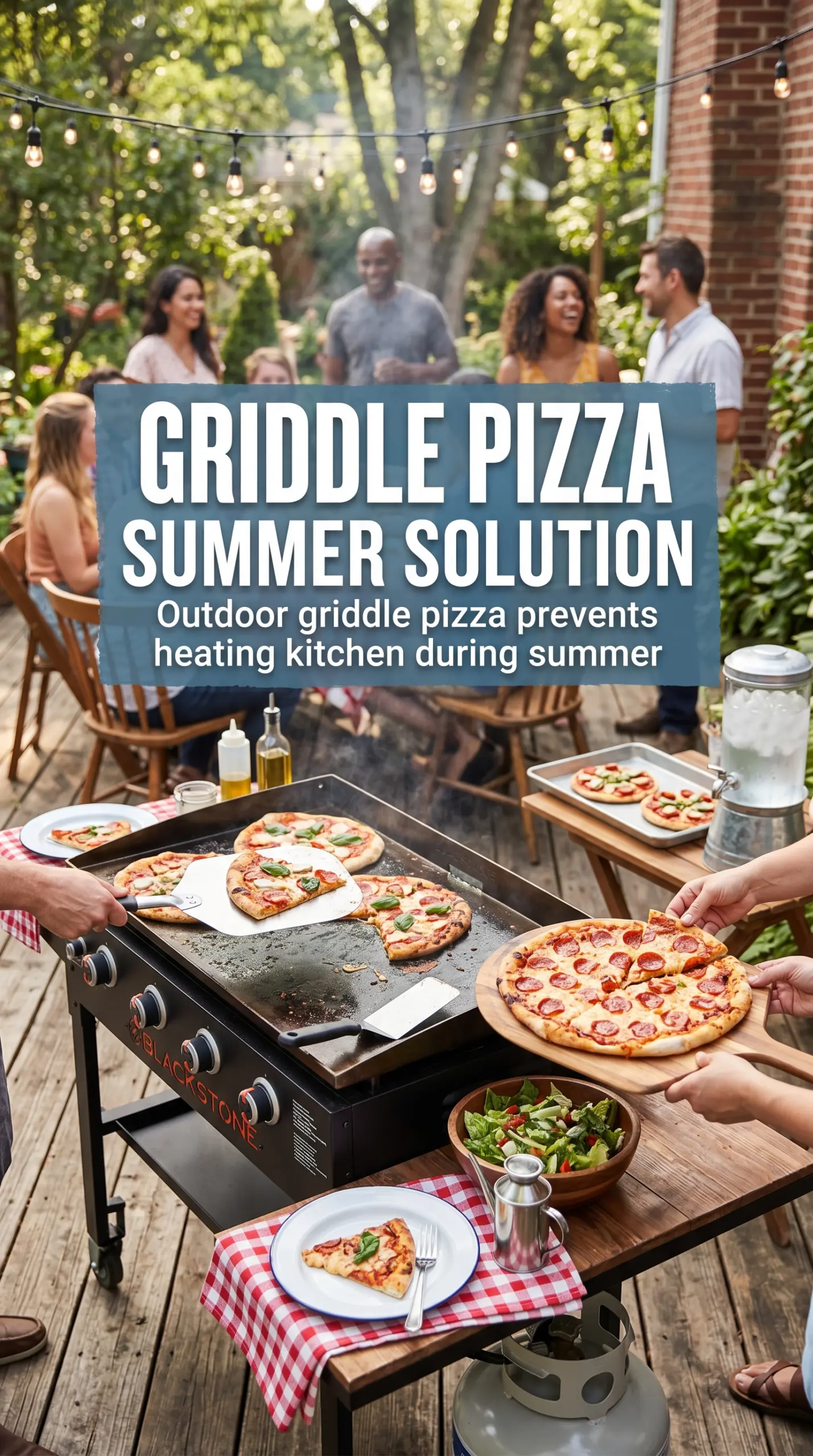
- Pizza dough is the backbone of the whole recipe. Store-bought dough works fine if it’s rested enough to stretch without snapping back; if it keeps shrinking, let it sit at room temperature longer before fighting it on the griddle.
- Olive oil helps the crust release and brown. You don’t need a heavy pour, just enough to film the cooking surface so the dough doesn’t stick during that first flip.
- Pizza sauce should be thick, not watery. A loose sauce soaks into the crust fast, which is how you lose that crisp underside you came here for.
- Mozzarella gives you the melt and stretch people expect from pizza. Use shredded mozzarella, not big wet slices, because it melts faster and more evenly under the dome.
- Fresh basil and Parmesan go on at the end. Basil turns dark and limp if it cooks too long, and Parmesan brings a salty finish that sharpens the whole pizza without weighing it down.
The Short Window Where the Whole Pizza Comes Together
Heating the Griddle and Setting the Stage
Heat the Blackstone to medium and spread the olive oil across the surface. You want a hot, even cooktop, not a ripping-hot one. If the oil starts smoking hard right away, the griddle is too hot and the dough will scorch before it sets. The surface should shimmer lightly when it’s ready.
Stretching and Cooking the First Side
Divide the dough into four portions and stretch each one into a thin round, dusting with flour as needed so it doesn’t stick to your hands or the counter. Lay the dough on the griddle and leave it alone for 2 to 3 minutes. You’re waiting for the bottom to turn golden with a few browned spots and for the dough to look less wet on top. If it still feels slack when you try to move it, give it another 30 seconds.
Flipping and Loading the Toppings
Flip the crust so the cooked side faces up, then work quickly with sauce, mozzarella, and toppings. The cooked side is the side that can hold everything without turning soggy. Don’t pile on too much sauce or heavy toppings, or the center will stay soft while the edges overcook. Keep the layer thin and even.
Melting Under the Dome
Cover the pizza with a dome or large pan and cook for 3 to 5 minutes, just until the cheese melts and the toppings are hot. This is where the pizza turns from “griddled dough with toppings” into something that feels finished. Lift the cover once to check the cheese; if it’s bubbling and the crust edges look crisp, pull it off right away. Wait too long and the bottom gets too dark before the cheese is ready.
Finishing and Serving Fast
Move the pizza off the griddle as soon as it’s done, then finish with basil and Parmesan. Slice it while it’s still hot so the cheese doesn’t set into a solid layer. If you let it sit too long before cutting, the crust softens from the steam and you lose the snap that makes this method so good.
Three Ways to Make Blackstone Pizza Fit What You’ve Got
Gluten-Free Dough on the Griddle
Use a gluten-free pizza dough that’s meant to be stretched and cooked on a hot surface. It’ll usually be a little more delicate, so keep the rounds smaller and flip with a wide spatula. The texture won’t be exactly the same as wheat dough, but you’ll still get a crisp edge and good melt on top.
Dairy-Free Pizza That Still Browns Well
Swap in a dairy-free mozzarella-style shred that melts well under cover, and keep the toppings lighter than you would on a standard pie. Some dairy-free cheeses need a little longer under the dome before they soften, so watch for the edges of the crust instead of rushing it off the heat. You’ll lose some of the stretch, but you’ll keep the crisp base and the charred flavor from the griddle.
Make It Vegetarian Without Extra Work
Load it up with mushrooms, peppers, onions, or olives, but keep the slices thin so they cook in the same window as the cheese. Vegetables with a lot of moisture should be pre-cooked or patted dry, or they’ll steam the middle of the pizza. This version keeps the same method and gives you a little more color and texture on top.
Storage and Reheating
- Refrigerator: Store leftovers in an airtight container for up to 3 days. The crust softens a bit, but it still reheats well.
- Freezer: Freeze slices wrapped individually, then tucked into a freezer bag for up to 2 months. Reheat from frozen for the best texture instead of thawing first.
- Reheating: Warm slices in a skillet or back on a griddle over medium-low heat until the bottom crisps and the cheese loosens again. The common mistake is microwaving, which turns the crust chewy and limp.
Answers to the Questions Worth Asking
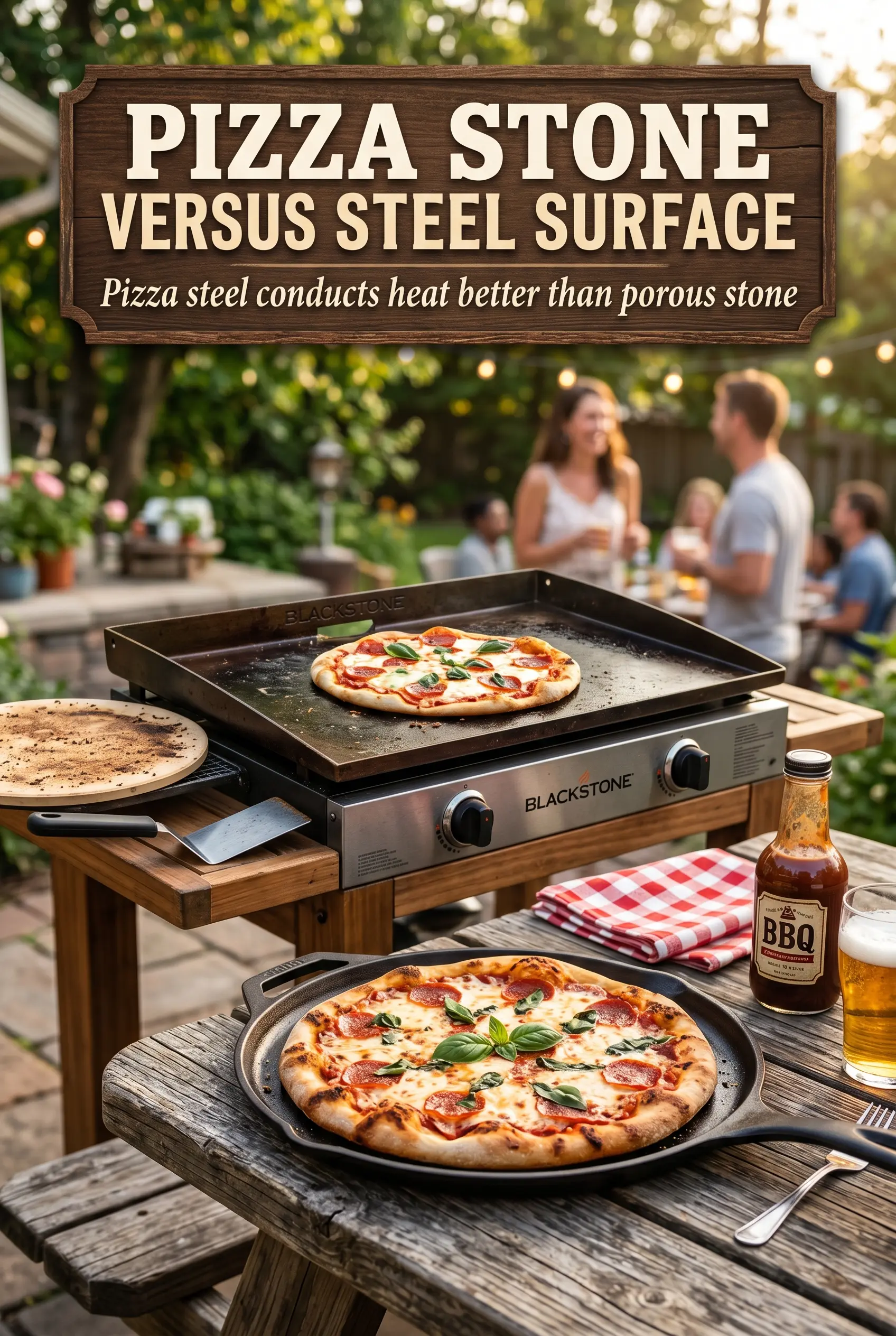
Pizza on a Blackstone Griddle
Ingredients
Equipment
Method
- Heat the Blackstone griddle to medium heat and oil the surface to prevent sticking. The surface should look glossy, not dry.
- Divide the pizza dough into 4 portions and stretch each into thin rounds, dusting with flour as needed. Stop when the dough is thin enough to cook quickly without tearing.
- Place the dough rounds directly on the griddle and cook for 2-3 minutes until the bottom is golden. Look for set bubbles and crisp edges.
- Flip the crust and quickly add the pizza sauce, mozzarella cheese, and your choice of toppings to the cooked side. Work fast so the cheese starts melting immediately.
- Cover with a dome or large pan and cook for 3-5 minutes until the cheese melts. You should see bubbling and a soft, stretchy melt.
- Remove from the griddle and top with fresh basil and grated Parmesan cheese. Slice and serve right away for the best texture.