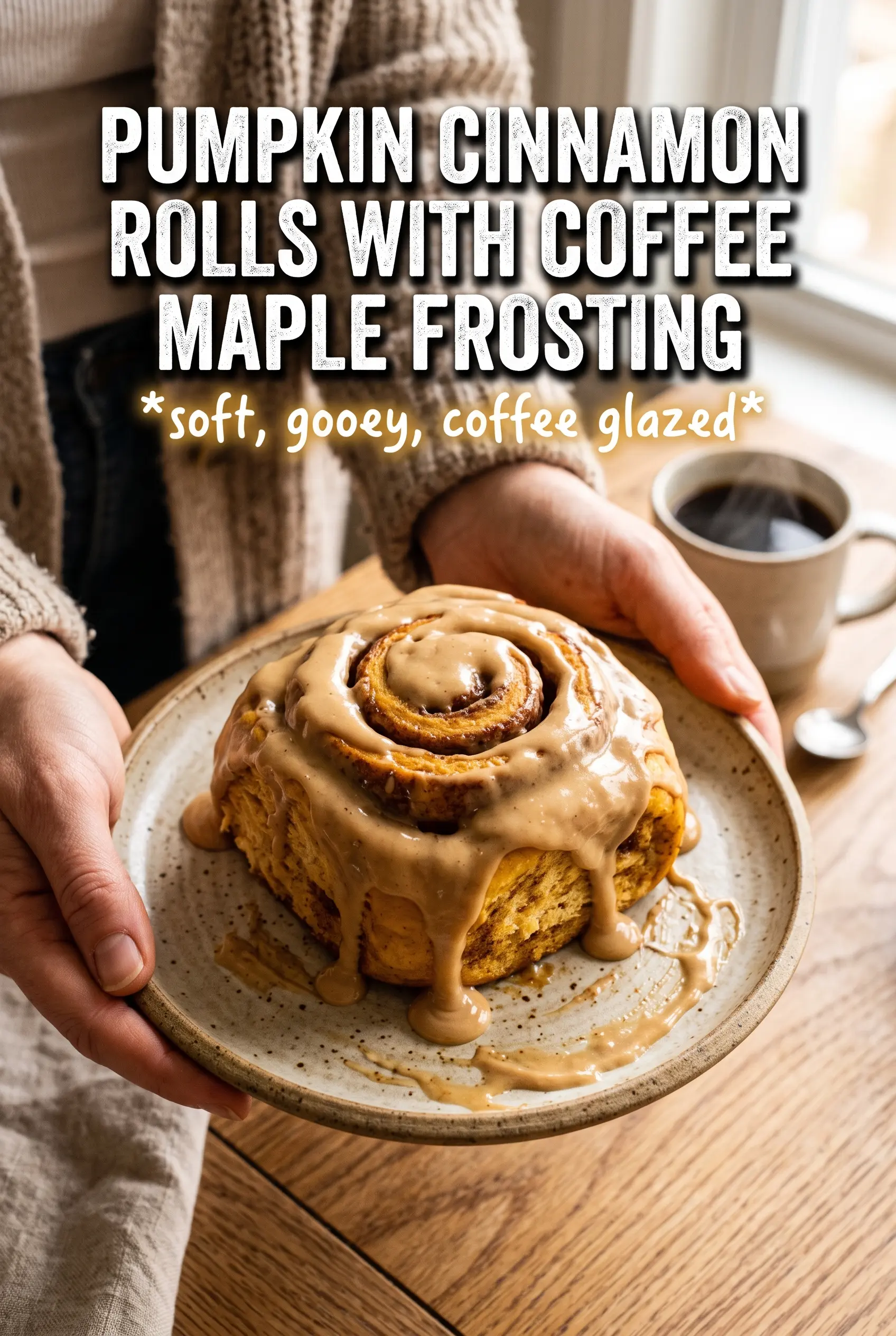
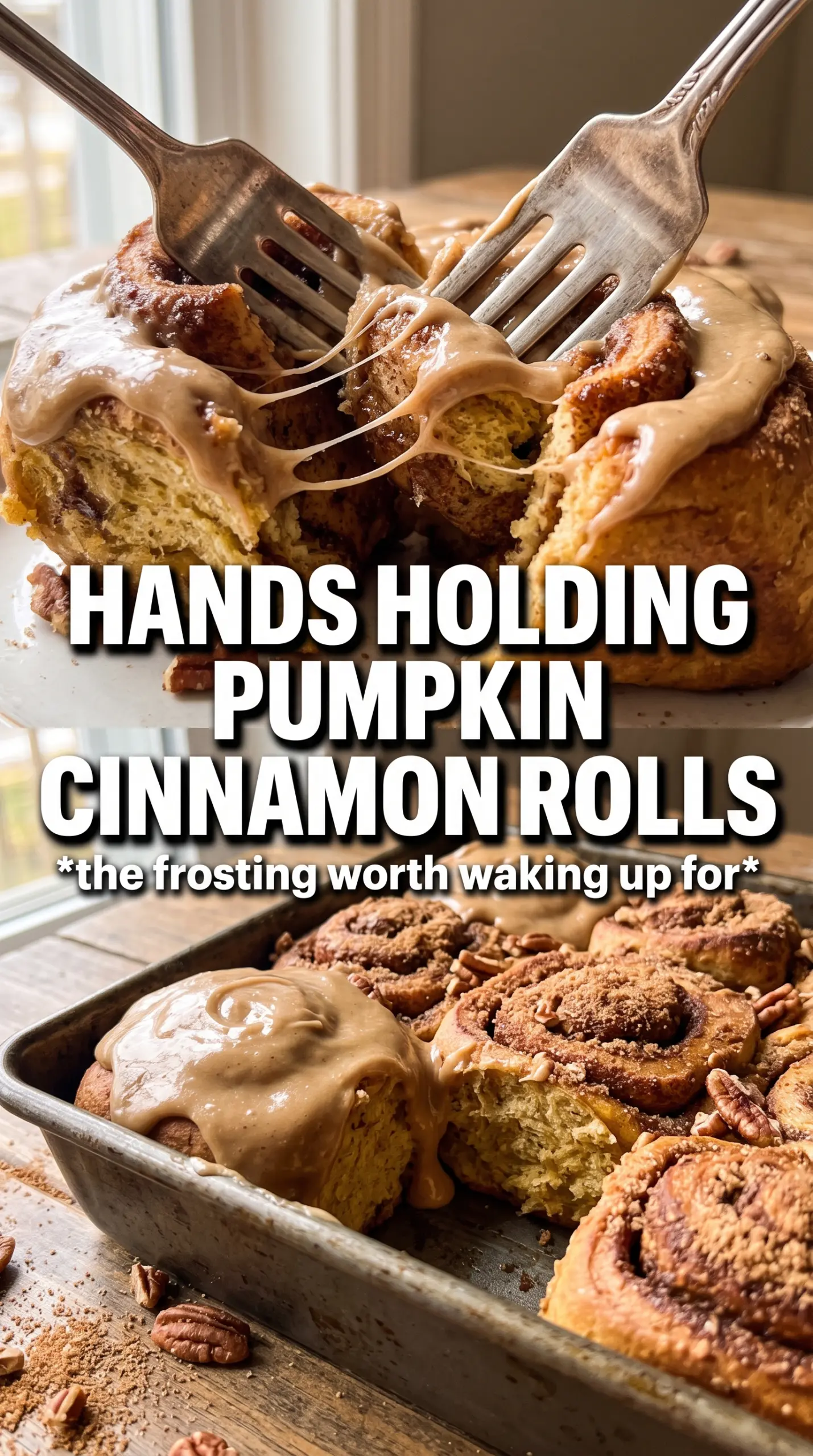
Pumpkin cinnamon rolls bake up soft, tall, and tender, with a golden orange crumb that stays plush instead of turning dry and bready. The filling melts into the swirls, the edges caramelize just enough to give each roll a little bite, and the coffee maple frosting sinks into every ridge while the rolls are still warm.
What makes this version work is the balance in the dough. Pumpkin puree adds moisture and color, but the milk, egg, and yolk keep the dough rich without making it heavy. I like using pumpkin pie spice in both the dough and filling, because it carries the pumpkin flavor through the whole roll instead of letting it disappear once the frosting goes on.
The coffee maple frosting is the part people remember. It tastes like a cinnamon roll and a maple latte met in the middle, and it’s just sharp enough to cut through the sweetness. Below, I’ve included the timing cues that matter most so you know exactly when the dough is ready, when the rolls are proofed, and when to frost for the best texture.
The dough rose beautifully and the rolls baked up fluffy with those soft pumpkin layers I was hoping for. The coffee maple frosting balanced the sweetness perfectly, and the centers stayed gooey without collapsing.
Save these pumpkin cinnamon rolls with coffee maple frosting for a weekend breakfast that bakes up soft, swirled, and worth every minute of rising time.
The Dough Needs More Time Than the Clock Tells You
Pumpkin dough can look finished before it actually is. It often feels a little softer and stickier than plain sweet-roll dough because pumpkin brings extra moisture, and that’s exactly what gives these rolls their tender crumb. The mistake is adding too much flour too early and turning the dough stiff; it should clear the sides of the bowl during kneading, but still feel supple.
The first rise matters more here than in a lot of breakfast rolls. If the dough hasn’t doubled, the final rolls won’t have enough lift to stay pillowy after baking. You want a soft, slightly tacky dough that stretches without tearing, because that’s what gives you those neat spirals instead of dense spirals with gaps.
What Each Ingredient Is Actually Doing in These Rolls
- Pumpkin puree — This is for moisture, color, and that subtle earthy sweetness. Use plain canned pumpkin puree, not pumpkin pie filling, or the dough will be overly spiced and too wet to handle properly.
- Active dry yeast — This gives the rolls their lift and keeps the crumb light. The milk needs to be warm, not hot; if it’s too hot to comfortably touch, it can slow or kill the yeast before the dough ever starts rising.
- Butter — Melted butter goes into the dough for richness, while softened butter in the filling helps it spread into a thin layer that bakes into the swirls instead of clumping. For the frosting, the butter should be soft enough to beat smooth with the cream cheese so the glaze turns silky.
- Brown sugar and cinnamon — Brown sugar melts into a sticky filling with deeper flavor than white sugar would give. The cinnamon plus pumpkin pie spice makes the swirls smell like the inside of a bakery the moment they hit the oven.
- Coffee in the frosting — Use strong brewed coffee or espresso that’s cooled a bit. It doesn’t make the frosting taste like a cup of coffee; it sharpens the maple and keeps the cream cheese icing from tasting flat.
Building the Swirl So the Rolls Bake Up Tall, Not Dense
Activate the yeast first
Stir the warm milk, sugar, and yeast together and let it sit until the top looks foamy and a little puffed. That foam tells you the yeast is alive and ready to work. If the mixture stays flat after several minutes, start over with fresh yeast, because no amount of kneading will fix dead yeast.
Mix a soft dough, then knead until elastic
Add the pumpkin, butter, egg, and yolk before the flour so the wet ingredients can spread evenly through the dough. Mix in the flour, pumpkin pie spice, and salt, then knead until the dough feels smooth and stretchy, about 8 minutes by hand or with a dough hook. Stop adding flour the second the dough becomes workable; if you keep dusting in more, the rolls bake up dry.
Roll thin, spread evenly, and cut cleanly
Roll the dough into a 12×18 rectangle so the finished rolls have enough layers to rise high in the pan. Spread the filling all the way to the edges, then roll tightly from the long side so each piece has a full spiral instead of a loose center. Use unflavored dental floss or a very sharp knife to cut 12 even rolls; a sawing motion squashes the layers and leaks filling.
Watch the final proof and pull them at the right bake point
Let the cut rolls rise until they look puffy and touch each other lightly in the pan. They should spring back slowly when nudged, not collapse or feel tight. Bake at 375F until the tops are golden and the centers look set, about 22 to 25 minutes; if the center still seems raw, give them a few more minutes, but don’t wait for deep browning or the dough will dry out.
Make Them Creamier With a Little More Frosting
If you like a heavily glazed roll, increase the frosting by half and spread some on while the rolls are still warm, then add the rest right before serving. The first layer melts into the swirls and gives you that bakery-style sticky top, while the second layer stays thicker on the surface.
Dairy-Free Version
Use plant-based milk, dairy-free butter, and a dairy-free cream cheese alternative. The rolls will still rise and bake well, though the frosting will be a little softer and less tangy than the original.
Swap the Coffee for Vanilla Maple Frosting
If coffee isn’t your thing, replace it with an equal amount of milk and add 1/2 teaspoon vanilla. You’ll lose the slight bitterness that balances the sweetness, so the frosting will taste softer and more like a classic maple glaze.
Storage and Reheating
- Refrigerator: Store covered for 3 days. The rolls stay soft, though the frosting firms up and the swirl edges lose a little shine.
- Freezer: Freeze the baked rolls without frosting for up to 2 months. Wrap them tightly, then thaw overnight in the refrigerator before reheating and frosting.
- Reheating: Warm individual rolls in the microwave for 15 to 20 seconds or the whole pan in a low oven covered with foil. The common mistake is overheating, which turns the dough dry and makes the frosting separate.