Caramelized sausage, tender cabbage, and sweet onion make this stir fry feel bigger than the handful of ingredients it takes to pull together. The pan does the heavy lifting here: the sausage browns first, the cabbage picks up those savory drippings, and the Dijon-vinegar glaze pulls everything into one sharp, buttery finish that keeps each bite from tasting flat.
What makes this version work is the sequence. Browning the sausage before the vegetables gives you a deeper base flavor, and cooking the cabbage long enough for the edges to pick up color keeps it from turning watery or limp. The butter carries the mustard and vinegar into a gloss instead of a heavy sauce, so the whole skillet stays light on its feet while still feeling substantial.
Below you’ll find the small timing details that matter most, plus a few smart swaps if you want to change the sausage, skip the caraway, or stretch this into a fuller meal.
The cabbage picked up all the browned sausage flavor and the Dijon glaze kept it from tasting greasy. I loved how the edges got a little caramelized without the whole skillet turning mushy.
Save this sausage and cabbage stir fry for a skillet dinner with caramelized edges, a tangy Dijon glaze, and almost no cleanup.
The Trick to Keeping Cabbage Crisp-Tender Instead of Soft and Watery
Most cabbage skillet dinners go wrong because the pan gets crowded and the cabbage starts steaming before it has a chance to brown. Once that happens, you lose the sweet edge that makes this dish worth repeating. The fix is to give the sausage its own browning time first, then cook the cabbage in the same pan over steady heat so it can soften while still picking up color at the edges.
The butter matters here too. It gives the onions a gentler sauté and helps the Dijon, vinegar, and brown sugar cling to the cabbage instead of sliding off into a thin puddle. If the cabbage looks dry before it’s tender, keep cooking for another minute or two; if it looks glossy and still has a little bite, you’re in the sweet spot.
What the Sausage, Mustard, and Vinegar Are Each Doing in the Pan
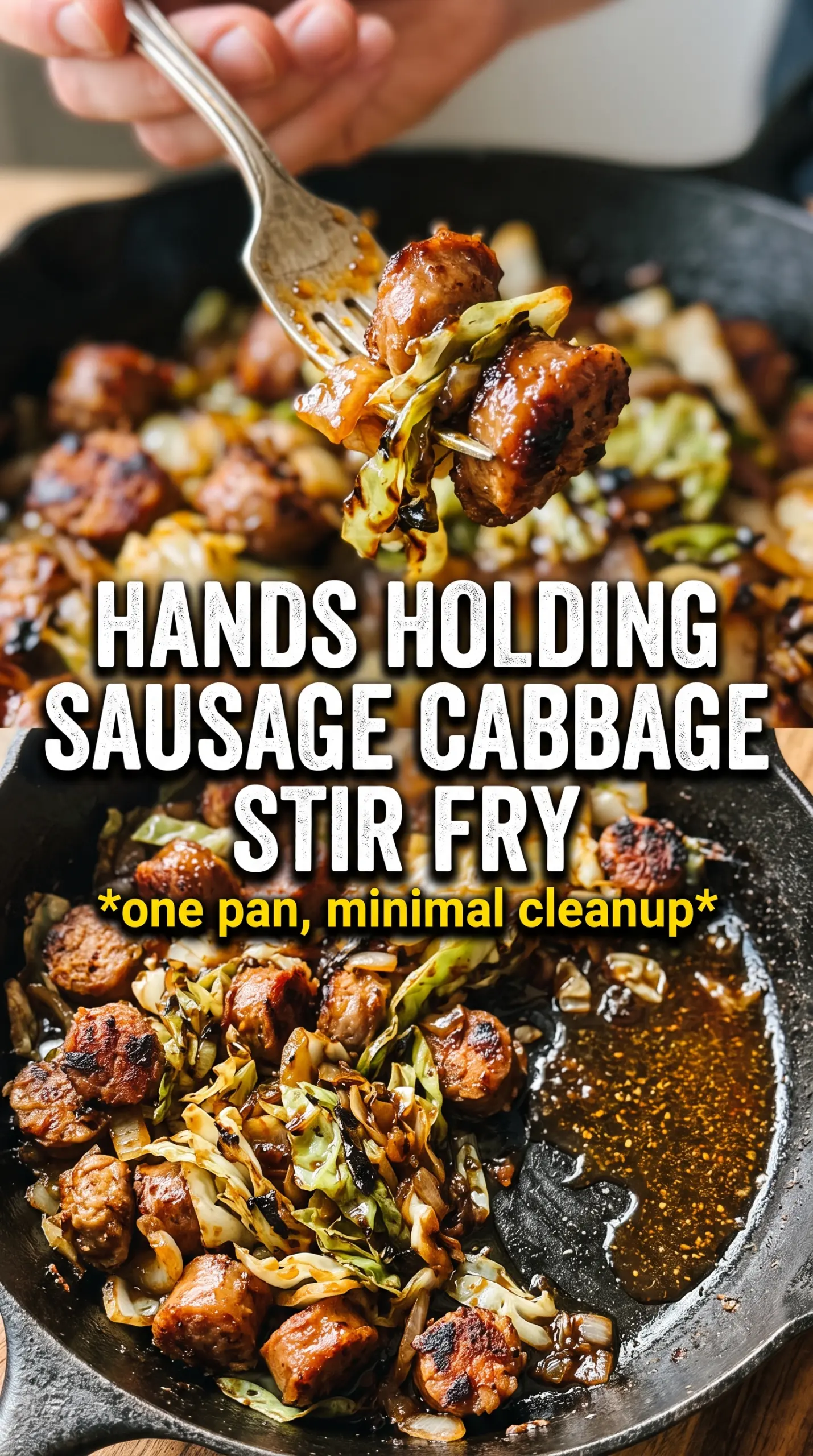
- Smoked kielbasa or andouille — This is the backbone of the dish. You want a sausage that browns well and brings its own seasoning, because that first layer of caramelization is what seasons the cabbage later. Mild sausage works, but you’ll lose some of the boldness that makes the skillet taste finished.
- Green cabbage — Green cabbage holds its shape better than Napa or savoy here, and it gets those sweet browned edges without collapsing. If you use pre-shredded cabbage, reduce the cook time a bit because it softens faster than rough-chopped wedges.
- Dijon mustard — Dijon gives the sauce sharpness and body. Yellow mustard won’t taste the same and it can read a little flat; stone-ground works in a pinch, but the sauce won’t be as smooth.
- Apple cider vinegar — This cuts through the butter and sausage fat, which keeps the final dish lively instead of heavy. White vinegar is harsher, so use it sparingly if that’s what you have.
- Caraway seeds — Optional, but worth using if you like a little old-school cabbage flavor. Toast them briefly in the butter with the garlic so they bloom instead of tasting dusty.
Building the Skillet in the Right Order
Browning the Sausage First
Start with a hot skillet and let the sausage slices sit long enough to take on deep color before you turn them. You want browned edges and a little fond stuck to the pan; that’s the flavor base for the whole dish. If the sausage releases a lot of grease, spoon off a little, but leave enough to coat the onions later. Pull the sausage out once it’s caramelized so it doesn’t overcook while the cabbage finishes.
Softening the Onion and Blooming the Garlic
Add the butter to the same pan and let the onions cook until they’re softened and turning golden at the edges. That takes about five minutes, and rushing it leaves the dish tasting sharp instead of rounded. Stir in the garlic and caraway for just a minute; if the garlic darkens, it’ll taste bitter once the vinegar goes in. The pan should smell sweet, savory, and a little toasted before the cabbage arrives.
Cooking the Cabbage Until It Catches Color
Once the cabbage goes in, stir it occasionally but not constantly. It needs time against the hot surface of the skillet to develop those browned bits. If you keep tossing it nonstop, it will steam and go pale. The right cue is wilted cabbage with golden edges and a little resistance left in the thicker pieces near the stem.
Finishing With the Tangy Glaze
Whisk the Dijon, vinegar, and brown sugar together before adding it, or the mustard can clump in the pan. Once the glaze goes in, it should coat the cabbage in a thin shiny layer, not pool at the bottom. Return the sausage and toss just long enough to warm it through. Taste at the end, then add salt and pepper after the glaze is in place so you don’t over-season before the reduction settles.
How to Adapt This Skillet for Different Tables
Make it dairy-free
Swap the butter for olive oil or a plant-based butter that browns well. You’ll lose a little richness, but the sausage and browned cabbage still carry the dish, and the Dijon-vinegar glaze keeps it from tasting flat.
Use a different sausage
Turkey sausage works if you want something lighter, but it usually needs a little extra oil because it doesn’t render the same way smoked kielbasa does. Chorizo brings more heat and spice, so cut back on the caraway and taste before adding extra salt.
Skip the brown sugar
If you want a lower-sugar version, leave it out and let the onions cook a minute longer so they bring their own sweetness. The glaze will taste sharper and more savory, which is a good trade if you like a more tang-forward skillet.
Stretch it into a fuller meal
Stir in cooked potatoes, buttered egg noodles, or white beans at the end. Each one changes the texture a little, but they all soak up the glaze well and turn the skillet into a more substantial dinner without changing the basic method.
Storage and Reheating
- Refrigerator: Store leftovers in an airtight container for up to 4 days. The cabbage softens a little, but the flavor gets even better after a night in the fridge.
- Freezer: It freezes, though the cabbage will be softer after thawing. Freeze in portions for up to 2 months and expect a more tender texture when reheated.
- Reheating: Reheat in a skillet over medium-low heat with a splash of water to loosen the glaze. The mistake to avoid is blasting it in the microwave until the cabbage turns limp and the sausage dries out.
Questions I Get Asked About This Recipe
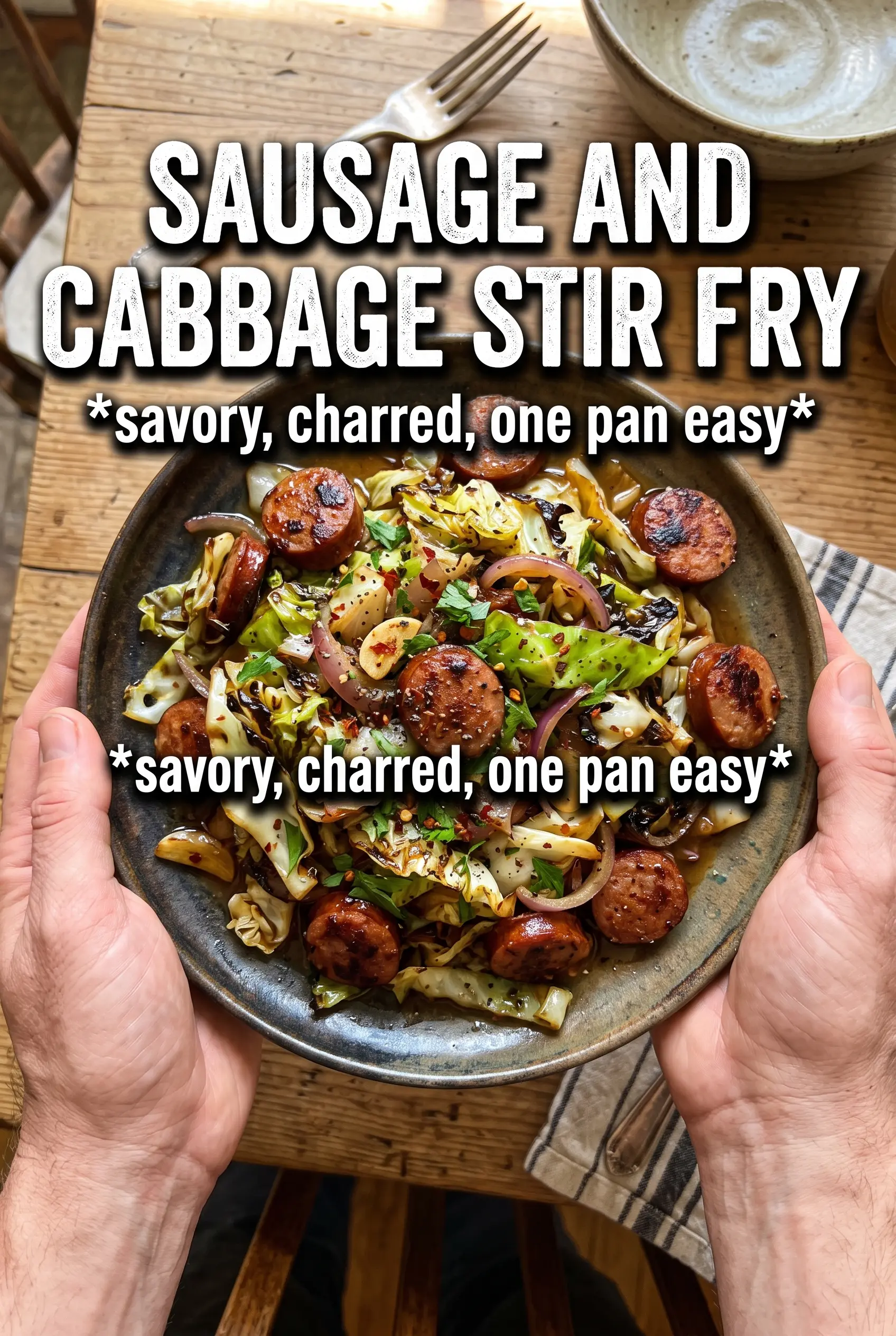
Sausage And Cabbage Stir Fry
Ingredients
Equipment
Method
- In a large skillet, brown the sausage slices until caramelized, then remove and set aside.
- Keep the browned bits in the skillet for flavor.
- Melt the butter in the same pan, then sauté the onion until softened and golden, about 5 minutes.
- Add the garlic and caraway seeds and cook for 1 minute, stirring so they don’t brown too fast.
- Add the cabbage and cook for 8-10 minutes, stirring occasionally, until wilted and slightly caramelized at the edges.
- Whisk the Dijon mustard, apple cider vinegar, and brown sugar, then pour over the cabbage.
- Return the sausage to the pan and toss everything together until coated.
- Season with salt and pepper to taste and top with fresh parsley before serving.


