Perfectly grilled salmon should come off the grates with crisp, bronzed skin and flesh that flakes in clean, glossy layers. This version keeps the seasoning simple on purpose, which lets the salmon stay front and center instead of getting buried under a heavy marinade. The lemon, Dijon, and garlic work like a quick glaze, giving the fish a sharp little lift without overpowering its natural richness.
The key is in the timing. A short 15-minute rest is enough to season the surface without turning the salmon mushy, and a well-oiled grill keeps the skin from sticking when it hits the heat. The other thing that matters is patience: the fillets stay put skin-side down long enough to build structure, so you get those clean grill marks and a piece of fish that lifts instead of tearing.
Below, I’ve included the small details that make the difference between decent salmon and salmon you’ll want to make again next week, plus the one substitution I reach for when I’m cooking for a mixed crowd.
The salmon released from the grill beautifully once the skin set, and the lemon-Dijon coating gave it a bright flavor without burning. I served it with rice and the fillets were flaky all the way through.
Like this grilled salmon? Save it for nights when you want crisp skin, flaky salmon, and dinner on the table fast.
The Reason Salmon Sticks to the Grill — and How This One Doesn’t
Most grilled salmon problems start before the fish ever touches the grates. If the grill isn’t properly heated and oiled, the skin grabs immediately, then tears when you try to move it. The other mistake is fussing with the fillets too early. Salmon needs a minute to form a crust on the skin side; once that crust sets, the fish releases much more cleanly.
This recipe works because it uses a short marinade and a skin-on fillet. Skin gives you a buffer between the heat and the delicate flesh, and it helps hold the salmon together while it cooks. The olive oil also keeps the seasonings moving across the surface instead of clumping in one spot and scorching.
What the Marinade Is Doing Here
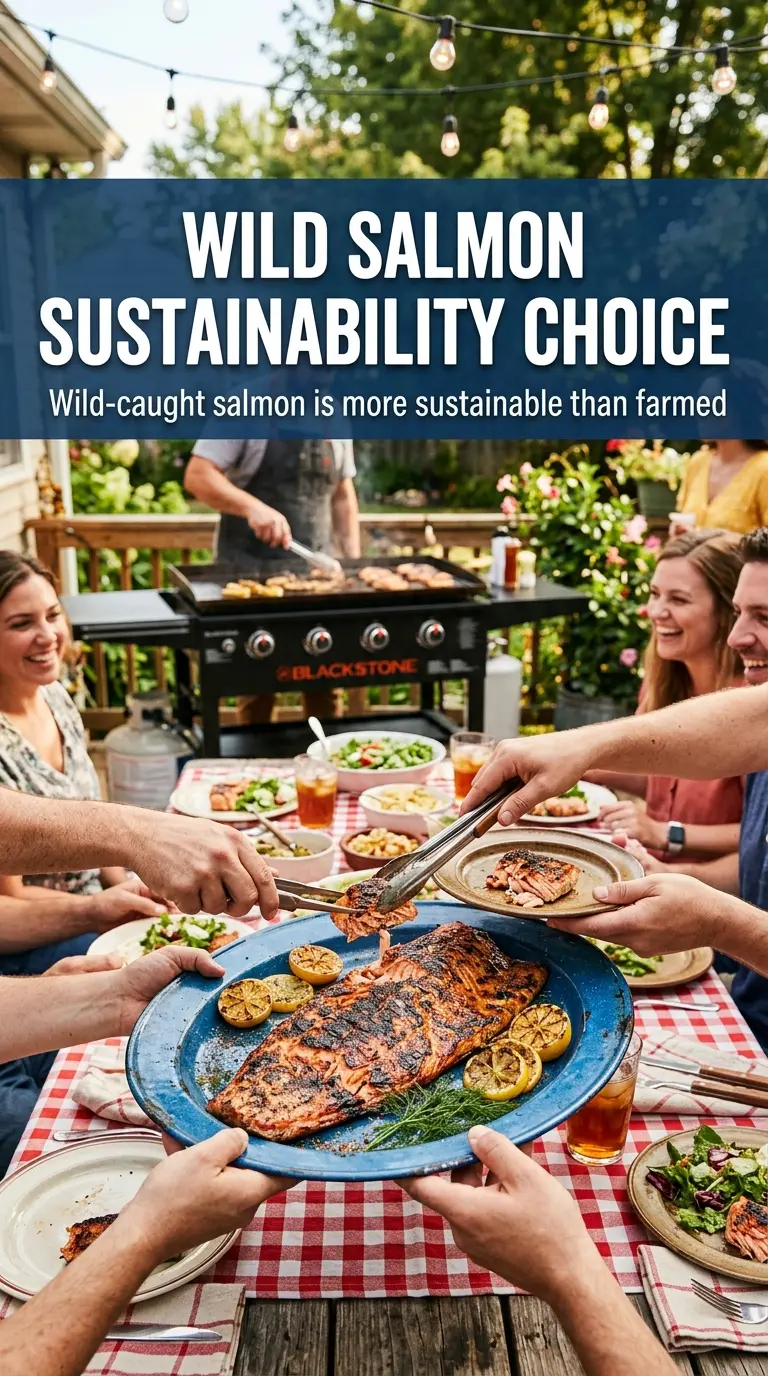
- Salmon fillets — Skin-on fillets hold up best on the grill. The skin protects the flesh, helps prevent overcooking, and makes flipping easier if you choose to turn them at the end. Fresh salmon is great, but good frozen salmon that’s thawed correctly works too.
- Olive oil — This carries the seasonings and helps the fish brown instead of drying out. A standard extra-virgin olive oil is fine here; there’s no need to use your priciest bottle since the grill and lemon will dominate the final flavor.
- Lemon juice — The acid brightens the fish and keeps the marinade from tasting flat. Don’t leave the salmon in it for much longer than 15 minutes, or the surface can start to get a little cured and soft.
- Dijon mustard — Dijon gives the marinade a little backbone and helps it cling to the salmon. Yellow mustard won’t taste the same; if you need a substitute, use a small spoonful of whole-grain mustard for a similar effect.
- Garlic — Fresh minced garlic gives a sharper, cleaner finish than garlic powder. If you use powder instead, cut the amount down and whisk it well into the oil so it doesn’t clump.
Grilling the Salmon Without Drying It Out
Mixing the Quick Marinade
Whisk the olive oil, lemon juice, garlic, Dijon, salt, and pepper until the mixture looks emulsified and slightly thickened. That helps it coat the fish instead of sliding off in the bowl. Brush it on evenly, then let the salmon sit for 15 minutes while the grill heats. If you leave it much longer, the acid starts to change the texture on the surface before the fish even cooks.
Getting the Grill Ready
Preheat the grill to medium-high and clean the grates well, then oil them generously. This is the part that keeps the skin intact. If your grill runs hot in spots, use the cooler side for the first few minutes so the skin can set before the fish gets aggressive heat. You want a strong sizzle, not flare-ups licking the edges.
Letting the Skin Do the Work
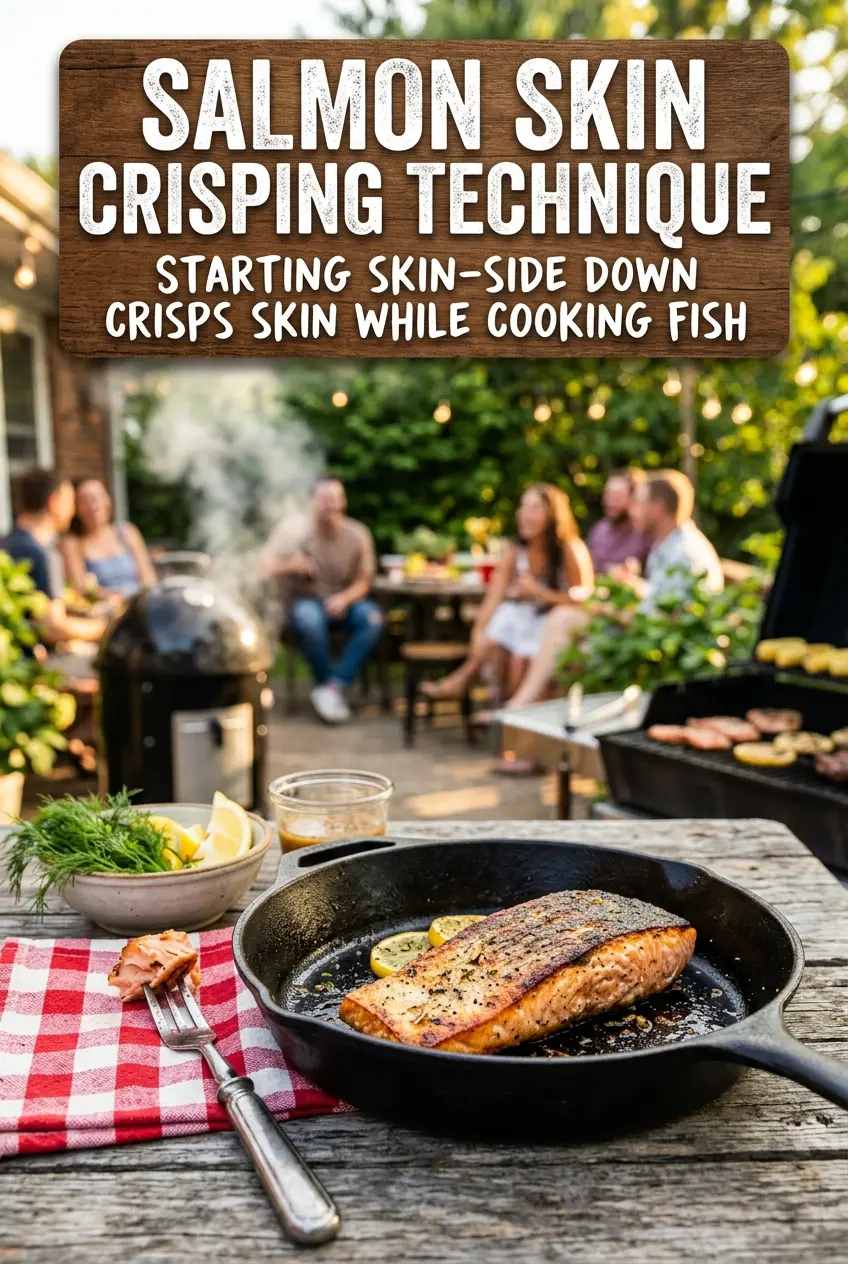
Place the salmon skin-side down and don’t move it for 6 to 8 minutes. You’ll know it’s ready when the flesh turns opaque around the sides and the skin lifts with a little resistance but not a fight. If you try to flip too soon, the fish tears and leaves half of itself behind. A thin metal spatula helps if you need a little extra insurance.
The Final Flip and Finish
Turn the salmon carefully and grill it for just 2 to 3 minutes on the second side. This last bit is mostly about finishing the center, not building color. Pull it as soon as the fish flakes easily at the thickest point and still looks moist in the middle. Overcooked salmon goes chalky fast, and the grill doesn’t give you much mercy once it crosses that line.
Three Smart Ways to Adjust This Salmon
Make it dairy-free and naturally gluten-free
This recipe already fits both diets as written, which is one reason it’s such a reliable weeknight main. Just check that your Dijon is gluten-free if that matters for your kitchen, since some brands use additives you may want to avoid. The texture and grill method stay exactly the same.
Swap in another herb when dill isn’t around
Fresh dill is classic with salmon, but parsley, chives, or tarragon all work. Parsley gives a cleaner finish, chives add mild onion flavor, and tarragon brings a stronger anise note that makes the lemon taste sharper. Use the herb as a finish, not in the marinade, so it stays bright.
Use this method for salmon fillets or a whole side
Individual fillets cook fastest and are easiest to portion, but a whole side of salmon works if you’re feeding a crowd. Keep the grill lid closed more often with a larger piece so the heat stays steady, and give it a little more time skin-side down before flipping. The reward is a dramatic presentation with the same crisp skin and tender center.
Change the heat if you want more smoke flavor
A charcoal grill gives you a deeper smoky edge, while gas keeps the flavor cleaner and more direct. If you want extra smoke, toss a wood chip packet onto the coals or use a smoker box on gas, but keep the heat controlled so the lemon and garlic don’t scorch. The smoke should support the salmon, not cover it up.
Storage and Reheating
- Refrigerator: Store leftovers in an airtight container for up to 3 days. The skin softens after chilling, but the flavor stays good.
- Freezer: Cooked salmon freezes, but the texture gets a little more delicate after thawing. Wrap portions tightly and freeze for up to 2 months if you plan to use them in salads, grain bowls, or pasta.
- Reheating: Warm it gently in a low oven, covered loosely with foil, just until heated through. High heat dries salmon out fast, and the best way to ruin leftovers is blasting them in the microwave until the edges turn tough.
Questions I Get Asked About This Recipe
The Best Grilled Salmon
Ingredients
Equipment
Method
- In a bowl, mix olive oil, lemon juice, minced garlic, Dijon mustard, salt, and pepper until combined and smooth.
- Brush the marinade over the salmon fillets so the skin is evenly coated.
- Let the salmon sit for 15 minutes at room temperature while the grill preheats.
- Preheat the grill to medium-high heat and oil the grates well to prevent sticking.
- Place the salmon skin-side down on the grill, laying fillets flat with space between them.
- Grill for 6-8 minutes skin-side down without moving, until the skin is crisp with visible grill marks.
- Carefully flip the salmon and grill for 2-3 minutes, until cooked to your desired doneness and the flesh flakes easily.
- Transfer salmon to plates and serve immediately with fresh dill and lemon wedges.