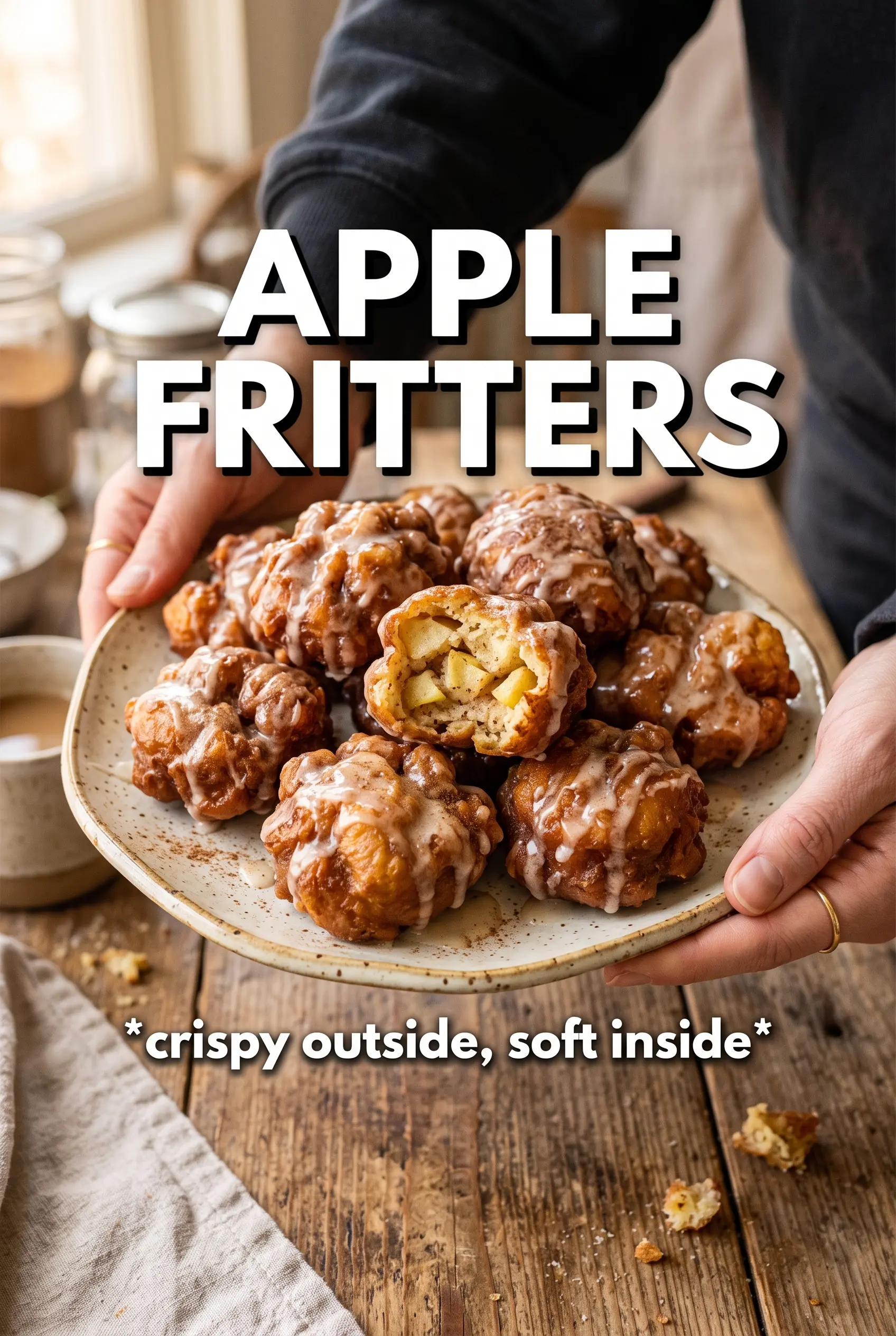
Apple fritters hit that sweet spot between a donut and a skillet cake: crisp edges, a tender middle, and soft little pockets of apple in every bite. When they’re fried properly, the outside shatters a little under your teeth before giving way to a warm, spiced crumb and a glossy vanilla glaze that melts over the top. They disappear fast for a reason.
The key is keeping the batter thick enough to hold the apples without turning greasy or flat. Finely diced fruit helps the fritters cook through before the outside gets too dark, and the oil temperature matters more here than almost anywhere else. Too cool, and they soak up oil. Too hot, and you’ll get a browned shell with raw batter inside.
Below, I’ll show you the texture cues that matter most, the glaze consistency that actually sticks, and the small adjustments that make these fritters turn out the way they should every time.
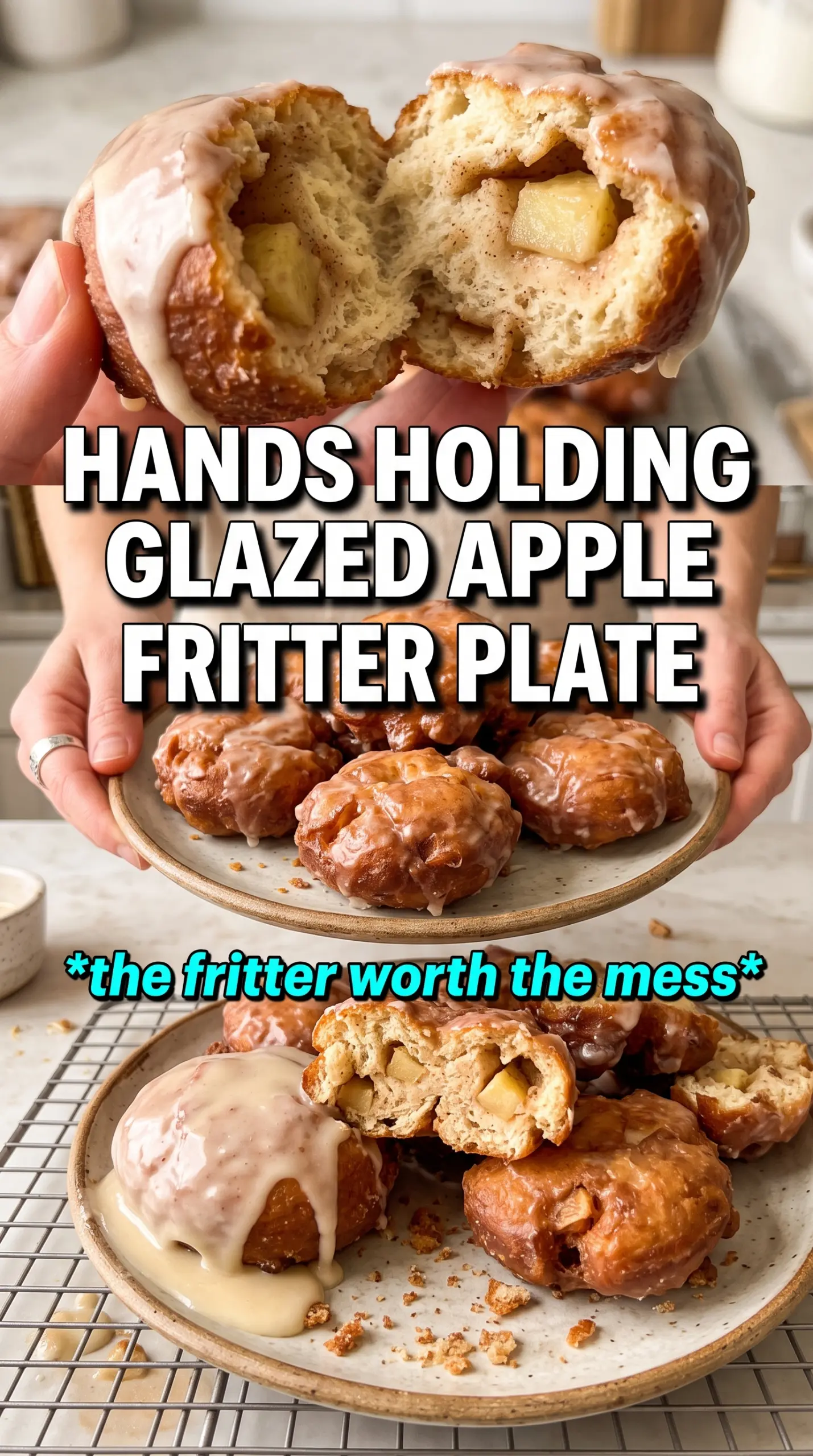
The fritters puffed up with crisp edges and the apples stayed tender instead of turning mushy. I used the glaze while they were still warm, and it set into that perfect sticky finish we kept picking at all afternoon.
Save these apple fritters for the day you want crisp, glazed breakfast pastries with tender apple bits and no yeast waiting around.
The Trick to Fritters That Cook Through Before They Darken
The biggest problem with apple fritters is a shell that looks done while the center is still wet. That usually happens when the oil runs too hot or the batter is too loose. This batter is thick enough to mound on the spoon, which helps the fritters hold their shape and gives the apples time to soften without leaking out all their moisture into the oil.
Finely diced apples matter more than people expect. Large chunks push the batter apart and leave gaps that fry unevenly; small pieces melt into the crumb a little and distribute the fruit flavor all the way through. The cinnamon and nutmeg don’t need to shout. They just need to warm the batter enough that the glaze tastes like it belongs there.
- Apples — Peel them and dice them finely. That size cooks fast and gives you little bursts of soft fruit instead of hard chunks or hollow pockets.
- Baking powder — This is what gives the fritters lift. Old baking powder can leave them dense, so check that it’s fresh if your batter seems flat.
- Milk — Whole milk gives the batter enough richness to fry up tender. Lower-fat milk works, but the fritters won’t taste as full.
- Vegetable oil — Neutral oil is best here because it stays out of the way. Use enough depth for the fritters to float and keep the heat steady at 375°F.
What Each Ingredient Is Actually Doing in These Apple Fritters
- All-purpose flour — This gives the fritters enough structure to hold the apples without collapsing. A gluten-free blend can work, but the texture will be a little more delicate and less chewy.
- Granulated sugar — It sweetens the batter and helps the edges brown. Don’t cut it too much or the fritters taste dull and fry up paler.
- Cinnamon and nutmeg — These are small amounts, but they matter. Cinnamon gives the warm base note and nutmeg rounds it out so the glaze doesn’t taste one-dimensional.
- Eggs — They bind the batter and add richness. If the batter looks separated after whisking, it usually means the wet ingredients were too cold or the butter was still too hot.
- Melted butter — This adds flavor and tenderness. You can use neutral oil in a pinch, but you’ll lose some of the bakery-style taste.
- Vanilla extract — It shows up twice, once in the batter and once in the glaze, and that’s not accidental. It ties the whole fritter together and keeps the glaze from tasting flat.
- Powdered sugar glaze — The glaze should drizzle thickly, not run like milk. If it’s too thin, add more powdered sugar; if it sets up too fast, warm it for a few seconds and stir again.
Getting the Batter, Oil, and Glaze to Work Together
Whisk the Dry Ingredients First
Start with the flour, sugar, baking powder, cinnamon, nutmeg, and salt in a large bowl. This keeps the leavener and spices evenly distributed, which matters when you’re dropping batter by the spoonful and don’t have a chance to correct uneven mixing later. If the dry ingredients aren’t fully blended, some fritters will taste spicier than others and some will puff less than the rest.
Fold, Don’t Beat, the Wet Into the Dry
Whisk the eggs, milk, melted butter, and vanilla in a separate bowl, then fold that into the dry ingredients just until no streaks of flour remain. The batter should be thick and a little rough; overmixing wakes up the gluten and gives you tight, bready fritters instead of tender ones. Fold in the apples at the end so they stay intact and don’t get crushed into the batter.
Fry at a Steady 375°F
Heat 2 to 3 inches of oil and check the temperature before the first batch goes in. The fritters should sizzle immediately when they hit the oil, then rise and turn deeply golden in about 2 to 3 minutes per side. If they brown in under a minute, the oil is too hot. If they sit there looking oily and pale, wait for the temperature to come back up before adding more.
Glaze While They’re Still Warm
Drain the fritters on paper towels for a minute or two, then whisk the glaze and drizzle it over while they still hold a little heat. Warm fritters grab the glaze and let it cling instead of sliding off. If you wait until they’re completely cool, the glaze sets in a thinner, patchier layer and you lose that bakery-style finish.
Ways to Adjust These Fritters Without Ruining the Texture
Gluten-Free Version
Use a 1:1 gluten-free flour blend with xanthan gum already included. The fritters will be a little more fragile when you flip them, but they still fry up with a crisp edge and tender center if you don’t stir the batter to death.
Dairy-Free Swap
Replace the milk with unsweetened almond or oat milk and swap the butter for melted coconut oil or a neutral oil. The fritters still brown well, though coconut oil will leave a faint coconut note and oil will taste a little cleaner but less rich.
Use Pears Instead of Apples
Firm pears work if you dice them small and keep the batter thick. They soften faster than apples, so don’t use overripe fruit or the fritters can turn wet in the middle.
Storage and Reheating
- Refrigerator: Store leftovers in an airtight container for up to 3 days. The glaze softens a little, and the crust loses some crispness.
- Freezer: Freeze the unfrosted fritters on a tray, then move them to a freezer bag for up to 2 months. Glaze after reheating, not before, or it turns sticky and uneven.
- Reheating: Warm them in a 350°F oven for 8 to 10 minutes. The microwave makes the outside soggy, which is the fastest way to lose the fritter texture.
Questions I Get Asked About This Recipe
Apple Fritters
Ingredients
Equipment
Method
- Whisk all-purpose flour, granulated sugar, baking powder, cinnamon, nutmeg, and salt until evenly combined.
- Whisk eggs, whole milk, melted butter, and vanilla extract, then fold into the dry ingredients until just combined.
- Fold in apples until the batter is thick and the apple pieces are evenly distributed.
- Heat 2 to 3 inches of vegetable oil to 375F in a Dutch oven.
- Drop 1/4 cup portions of batter into the oil and fry for 2 to 3 minutes per side, until deeply golden.
- Drain the fritters on a sheet pan and whisk the glaze, then drizzle generously over the still-warm fritters.


