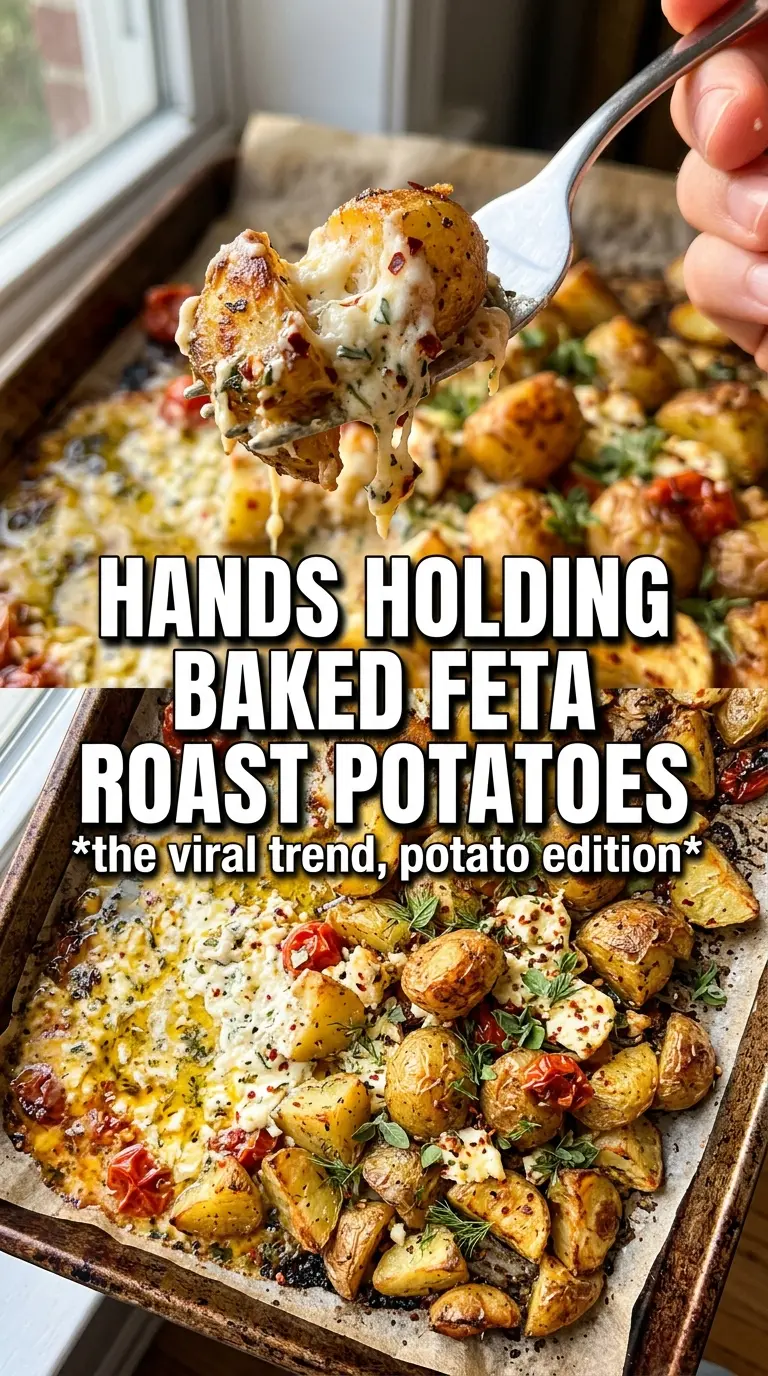
Golden roast potatoes and soft, salty feta are a pairing that earns its place fast. The potatoes turn crisp at the edges and fluffy inside while the feta warms into a creamy center that clings to every bite. The cherry tomatoes collapse just enough to turn jammy, and the lemon at the end keeps the whole dish from feeling heavy.
What makes this version work is the order of things. The feta sits in the middle of the pan so it softens instead of drying out, and the potatoes roast in the same olive oil and seasoning, which means they pick up flavor from the start instead of being dressed at the end. A hot oven does the real work here, but the lemon juice and zest at the finish wake everything up and keep the cheese from tasting flat.
Below, I’ve added the small details that matter most, like how to get the potatoes browned without overcooking the feta and what to swap if you want to change up the herbs.
The potatoes came out crisp on the edges, and the feta turned creamy without melting away. I loved how the lemon at the end cut through the saltiness, and the tomatoes gave the whole dish a little sauce.
Love the creamy feta and crisp-edged potatoes? Save this Baked Feta Roast Potatoes recipe for an easy Mediterranean side with lemon, herbs, and caramelized tomatoes.
The Trick to Crisp Potatoes and Soft Feta in the Same Pan
The mistake with baked feta potato dishes is treating the cheese and potatoes like they need the same timing. They don’t. Potatoes need enough time and heat to blister and brown, while feta needs enough heat to soften and turn creamy without drying into something crumbly and tight. That’s why this recipe works best in a hot oven with the feta protected in the center of the dish instead of scattered around the edges.
Using baby potatoes helps because the cut sides expose more surface area, which means more caramelization. The tomatoes matter too: as they roast, they burst and release juice that mingles with the olive oil and feta, giving you a built-in sauce instead of a dry pan of vegetables. If your potatoes ever seem pale at the end, the pan was crowded or the oven wasn’t fully hot before they went in.
- Baby potatoes — Halving them gives you the best mix of crisp edges and tender centers. Larger potatoes can work, but cut them into even chunks so they roast at the same pace.
- Block feta — Use a block, not crumbles. A block softens into a creamy layer; crumbles dry out and disappear into the pan.
- Cherry tomatoes — They’re there for moisture and brightness. Grape tomatoes work too, but use ripe ones so they burst instead of staying firm.
- Olive oil — This is what carries the seasoning and helps the potatoes brown. A good olive oil tastes noticeably better here, but you don’t need anything fancy.
What Each Ingredient Is Actually Doing in This Recipe
- Primary ingredient (the star) — Quality matters most. Choose the best you can find.
- Cooking medium (oil, butter, or broth) — This carries flavors and prevents dryness.
- Seasonings (salt, pepper, spices, herbs) — Layer flavors so nothing overpowers. Build depth gradually.
- Aromatics (garlic, onion, herbs) — Cook with fat to bloom flavors. Become the foundation.
- Supporting ingredients — Complement the main ingredient without overpowering it.
- Sauce or liquid (if applicable) — Brings flavors together. Balance richness with acid.
- Acid (lemon, vinegar, wine, or other) — Brightens and prevents flat-tasting results.
- Final finish (garnish, glaze, or sauce) — Prevents one-dimensional taste and adds visual appeal.
Building the Pan So Nothing Roasts Too Fast or Too Slow
Setting up the feta in the center
Place the feta block right in the middle of the baking dish before anything else goes in. That keeps it slightly shielded by the surrounding potatoes and tomatoes, so it warms through without drying out on the edges. If you tuck it against the side of the pan, that exposed corner can turn tough before the potatoes are done. A medium baking dish works best; if the pan is too large, the oil spreads out and the potatoes don’t roast as deeply.
Coating the potatoes for even browning
Toss the potatoes, tomatoes, and garlic with the olive oil, oregano, thyme, red pepper flakes, salt, and pepper until everything looks glossy and lightly coated. The potatoes should not sit dry in the pan, or you’ll end up with patchy browning instead of a proper roast. Smashed garlic is the right choice here because it softens into the oil and turns sweet; minced garlic can burn before the potatoes are tender. Spread everything into a single layer around the feta so the hot air can circulate.
Roasting until the edges go deep gold
Roast at 400°F for 40 to 45 minutes, and watch for the visual cues instead of relying on the clock alone. The potatoes should be deeply golden at the cut sides and tender enough to pierce easily with a fork, while the feta should look softened and a little blistered on top. If the potatoes are browning too slowly, they were crowded or cut too large. If the feta starts to look dry before the potatoes are done, tent the dish loosely with foil for the last 10 minutes.
Finishing with lemon and herbs
Squeeze the lemon juice over the hot pan as soon as it comes out of the oven, then add the zest and herbs. That last hit of acid keeps the cheese from tasting heavy and brings the tomatoes back to life. Break the feta into the potatoes and toss gently so some pieces stay creamy and some melt into the oil. If you stir too aggressively, the potatoes lose their crispy edges and the dish turns muddled.
How to Change the Herbs, Heat, or Cheese Without Losing the Dish
Make it dairy-free with seasoned potatoes and olives
Skip the feta and add a handful of pitted olives near the end of roasting for salty, briny depth. The dish won’t have the same creamy center, but it keeps the Mediterranean feel and still gives you plenty of flavor from the roasted tomatoes and herbs.
Use goat cheese for a tangier finish
A small log of goat cheese can stand in for feta if you want a softer, more spreadable result. It won’t hold its shape quite the same way, so expect a creamier, looser pan sauce rather than distinct salty chunks.
Swap the herbs based on what you have
Rosemary, dill, or mint can replace part of the thyme if that’s what’s in the fridge. Rosemary gives a woodsy edge, dill makes the dish brighter, and mint pushes it toward a fresher, more spring-like finish.
Stretch it into a main dish
Add canned chickpeas, drained and dried well, to the pan before roasting if you want more substance. They crisp up around the edges and soak in the feta-lemon sauce, turning this side dish into a full meal with very little extra work.
Storage and Reheating
- Refrigerator: Store leftovers in an airtight container for up to 3 days. The potatoes will soften, but the flavor holds up well.
- Freezer: I don’t recommend freezing this one. Feta and roasted potatoes both change texture after thawing, and the tomatoes go watery.
- Reheating: Warm it in a 375°F oven on a baking sheet or in a shallow dish until hot. The oven helps bring back some of the potato edges; the microwave makes everything soft.
Answers to the Questions Worth Asking
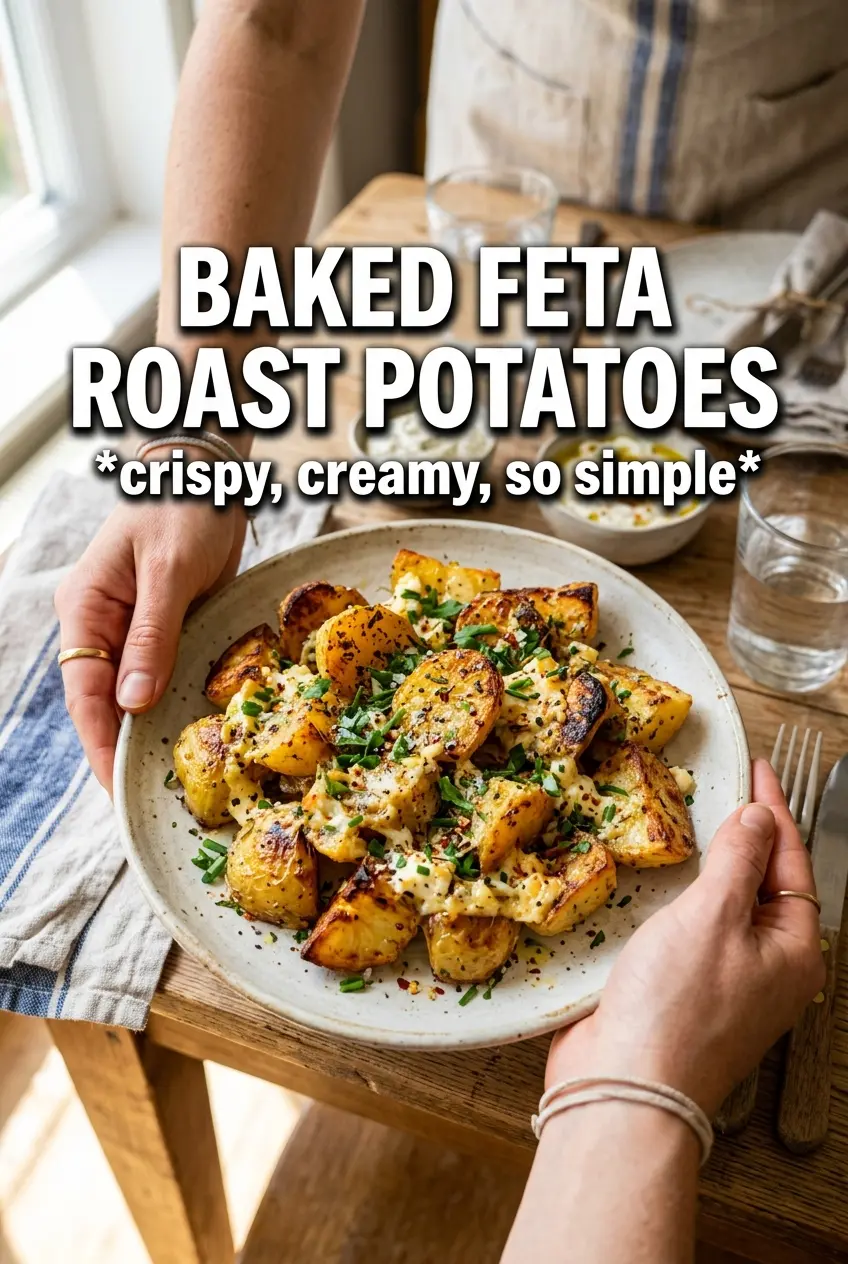
Baked Feta Roast Potatoes
Ingredients
Equipment
Method
- Preheat oven to 400°F (200°C) and place the feta block in the center of a baking dish.
- Arrange the halved baby potatoes, cherry tomatoes, and smashed garlic around the feta block.
- Drizzle olive oil over the potatoes, tomatoes, and garlic, then sprinkle oregano, thyme, red pepper flakes, salt, and pepper over everything.
- Roast for 40–45 minutes, until the potatoes are golden and tender and the feta is softened and golden.
- Squeeze the lemon juice over the hot roasted dish, then scatter lemon zest and fresh herbs on top.
- Break the feta into the potatoes and toss everything together so the feta becomes a creamy coating.


